
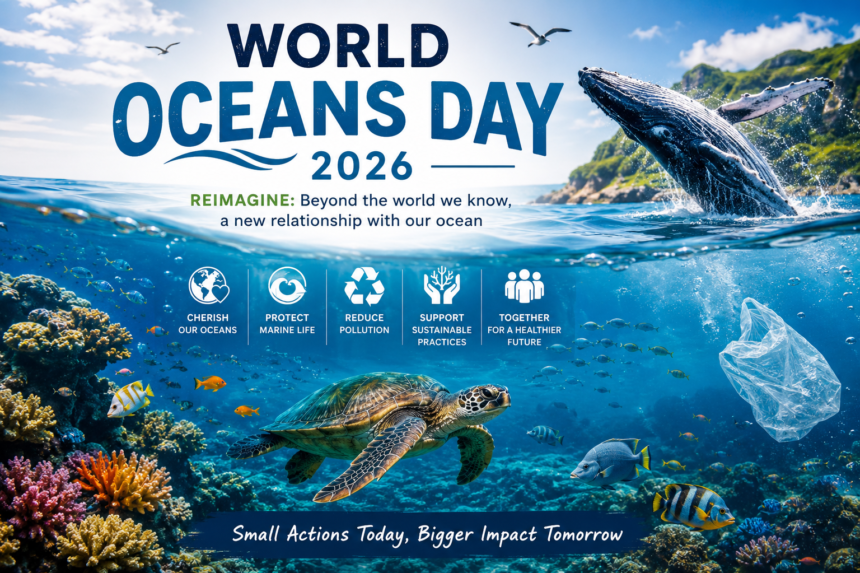
World Oceans Day 2026, people across the globe come together to celebrate World Oceans Day, a special occasion dedicated to recognizing the immense value of our oceans and raising awareness about the challenges they face. Oceans are much more than vast bodies of water covering over 70% of Earth’s surface. They are the lifeblood of our planet, providing oxygen, food, livelihoods, and climate regulation for billions of people.
Let’s dive deeper into the wonders of our oceans, the threats they face, and the actions we can take to protect them.
The Incredible Importance of Oceans
Imagine Earth without oceans. It would be like a body without a heart. Oceans play a fundamental role in sustaining life by regulating temperatures, producing oxygen, and supporting biodiversity.
Scientists estimate that oceans generate more than half of the world’s oxygen through marine plants and microscopic organisms. They also absorb large amounts of carbon dioxide, helping slow the effects of climate change.
Beyond environmental benefits, oceans support global economies through fishing, tourism, shipping, and renewable energy industries. Millions of people depend on healthy oceans for their livelihoods and survival.
World Oceans Day 2026 Theme: Reimagining Our Relationship with the Ocean
The theme for World Oceans Day 2026, “REIMAGINE: Beyond the world we know, a new relationship with our ocean,” is a powerful call to action.
Rather than viewing oceans as limitless resources, the theme encourages individuals, communities, businesses, and governments to develop a deeper sense of responsibility toward marine ecosystems. It challenges society to create innovative solutions and adopt sustainable practices that ensure ocean health for future generations.
The message is clear: protecting the ocean is not optional—it is essential.
The Amazing Wonders Hidden Beneath the Waves
The ocean is one of Earth’s greatest treasures. It is home to an astonishing variety of life forms, many of which remain undiscovered.
From vibrant coral reefs bursting with color to the mysterious depths inhabited by unique species, marine ecosystems are filled with natural wonders. Massive blue whales, playful dolphins, graceful sea turtles, and powerful sharks all contribute to the rich diversity of ocean life.
Coral reefs, often called the “rainforests of the sea,” support approximately 25% of all marine species despite covering only a small portion of the ocean floor. These ecosystems are critical for biodiversity and coastal protection.
Plastic Pollution: A Growing Ocean Crisis
One of the biggest threats facing oceans today is plastic pollution.
Every year, millions of tons of plastic waste enter marine environments. Plastic bottles, bags, packaging materials, and microplastics find their way into oceans through rivers, coastal dumping, and inadequate waste management systems.
Marine animals often mistake plastic debris for food, leading to injury, starvation, and death. Microplastics have also entered the food chain, raising concerns about potential impacts on human health.
The problem is alarming, but reducing single-use plastics, improving recycling systems, and supporting cleanup efforts can make a significant difference.
Climate Change and Rising Ocean Temperatures
Climate change is transforming marine ecosystems at an unprecedented pace.
As global temperatures rise, oceans absorb much of the excess heat. Warmer waters disrupt marine habitats, alter migration patterns, and threaten countless species.
One of the most visible consequences is coral bleaching. When ocean temperatures become too high, corals expel the algae that provide them with nutrients and color. As a result, coral reefs turn white and become vulnerable to disease and death.
Rising sea levels, stronger storms, and changing ocean currents further highlight the urgent need to address climate change.
Overfishing and Its Impact on Marine Biodiversity
World Oceans Day 2026, Fishing provides food and income for millions worldwide, but unsustainable fishing practices are placing tremendous pressure on marine ecosystems.
Overfishing occurs when fish are harvested faster than they can reproduce. This leads to declining fish populations, disrupted food chains, and damaged habitats.
Certain fishing methods can also unintentionally capture non-target species such as dolphins, turtles, and seabirds. These practices threaten biodiversity and undermine the long-term sustainability of fisheries.
Supporting responsible seafood choices and sustainable fishing policies is crucial for maintaining healthy ocean ecosystems.
The Role of Marine Protected Areas
Marine Protected Areas (MPAs) are among the most effective tools for ocean conservation.
These designated zones limit harmful activities such as overfishing, habitat destruction, and pollution. By giving marine ecosystems a chance to recover, MPAs help restore biodiversity and improve ocean resilience.
Many countries are expanding their marine protected networks to safeguard vulnerable habitats and endangered species. These protected areas act as safe havens where marine life can thrive.
The success of MPAs demonstrates that conservation efforts can deliver meaningful results when properly managed.
Technology Is Revolutionizing Ocean Conservation
Modern technology is opening new doors in marine research and protection.
Ocean drones, satellite monitoring systems, artificial intelligence, and underwater sensors allow scientists to observe marine ecosystems in ways that were impossible just a few decades ago.
These innovations help track illegal fishing activities, monitor coral reef health, measure ocean temperatures, and identify environmental threats in real time.
Renewable energy technologies such as offshore wind farms also provide cleaner alternatives to fossil fuels, helping reduce carbon emissions that impact ocean health.
How Education and Awareness Inspire Action
Protecting oceans starts with awareness.
Educational programs, public campaigns, and community initiatives play a critical role in helping people understand the importance of marine conservation. Schools, environmental organizations, and local communities around the world are empowering individuals to become ocean advocates.
Beach cleanups, recycling drives, conservation workshops, and social media campaigns encourage people to take simple but meaningful actions that collectively create a significant impact.
Knowledge is often the first step toward lasting change.
Simple Actions Everyone Can Take to Protect the Ocean
World Oceans Day 2026, You don’t have to be a marine scientist to help protect the ocean. Small actions can have a surprisingly large impact.
Here are some practical ways individuals can contribute:
Reduce Plastic Use
Choose reusable bags, bottles, and containers whenever possible.
Support Sustainable Seafood
Purchase seafood from responsible and certified sources.
Conserve Energy
Reducing energy consumption helps lower greenhouse gas emissions.
Participate in Cleanups
Join local beach, river, or community cleanup initiatives.
Dispose of Waste Properly
Prevent litter from reaching waterways and marine environments.
Spread Awareness
Educate friends, family, and colleagues about ocean conservation.
Collectively, these efforts help create healthier oceans and a more sustainable future.
Global Cooperation Is Essential for Ocean Protection
The ocean connects every continent and every country. As a result, protecting it requires international cooperation.
Governments, environmental organizations, businesses, scientists, and local communities must work together to address global challenges such as pollution, climate change, and biodiversity loss.
International agreements, conservation programs, and sustainable development initiatives are helping build a coordinated response to protect marine ecosystems.
The future of our oceans depends on collective action and shared responsibility.
The Future of Our Oceans Depends on Today’s Choices
The choices we make today will determine the health of our oceans tomorrow.
Whether it’s reducing plastic waste, supporting sustainable industries, or advocating for stronger environmental policies, every action matters. World Oceans Day 2026 serves as a reminder that the ocean is not an endless resource—it is a living system that requires care, respect, and protection.
By embracing innovation, conservation, and sustainable practices, humanity can create a future where oceans continue to thrive and support life on Earth for generations to come.
Read More: National Science Day Theme 2026: Official Theme, Meaning and Significance Explained
Conclusion
World Oceans Day 2026 is more than just a celebration—it is a global call to action. The oceans provide countless benefits, from supporting biodiversity and regulating climate to sustaining economies and communities worldwide. Yet they face serious threats from pollution, climate change, and unsustainable exploitation.
The theme “REIMAGINE: Beyond the world we know, a new relationship with our ocean” challenges us to rethink how we interact with marine environments and take meaningful steps toward conservation. Through education, innovation, sustainable practices, and international cooperation, we can help restore and protect these invaluable ecosystems.