
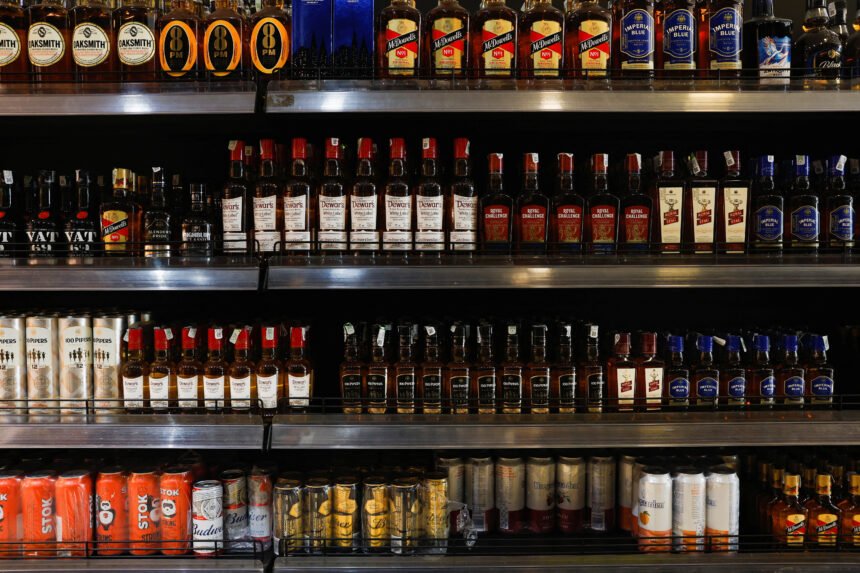
Alcohol Tax Bengaluru, Bengaluru’s liquor industry is buzzing—and not just from the drinks. A proposed overhaul in taxation, known as the “alcohol-in-beverage” model, is raising eyebrows across the supply chain. From distributors to everyday consumers, everyone is asking the same question: Will this make alcohol cheaper or more expensive?
At first glance, the policy promises transparency and modernization. But dig a little deeper, and you’ll see a complex ripple effect that could reshape pricing, competition, and even drinking habits across Karnataka.
What Is the ‘Alcohol-in-Beverage’ Tax Model?
The new taxation framework is straightforward in theory. Instead of taxing alcoholic beverages based on predefined price slabs, the government plans to tax them based on their pure alcohol content per litre.
For distributors, the rate is fixed at ₹1,000 per litre of pure alcohol.
Sounds logical, right? More alcohol, more tax. But here’s the twist—this shift could disrupt the delicate pricing balance that the industry has operated under for years.
Why This Change Matters Right Now
Alcohol Tax Bengaluru, Timing is everything. The Karnataka government is aiming for a massive ₹45,000 crore revenue target for FY 2026–27. This new model is a strategic move to streamline tax collection and plug revenue leakages.
But while the government sees efficiency, the industry sees uncertainty.
The End of Traditional Pricing Slabs
Previously, alcoholic beverages were taxed under specific pricing slabs. For example, products priced between ₹651 and ₹750 fell into a particular category with a fixed tax rate.
Now, these slabs are being merged or eliminated altogether.
What does that mean in practice?
Mid-range products could suddenly find themselves taxed like premium ones—not because their quality changed, but because their alcohol content pushes them into a higher bracket.
Mid-Range Brands: The Biggest Casualties?
Industry insiders are particularly worried about the “squeezing effect” on mid-range brands.
Imagine you’re a brand comfortably sitting in the middle of the market—affordable but aspirational. With the new system, your tax liability might increase, forcing you to raise prices.
And just like that, you’re no longer “mid-range.” You’re competing with premium labels.
That’s not just a pricing issue—it’s a branding crisis.
Premium Players Poised to Benefit
While some brands brace for impact, others are quietly celebrating.
Global giants like Diageo and United Breweries stand to gain significantly.
Why?
Because the new system allows price deregulation. Premium brands can now adjust their pricing strategies without waiting for state approvals. This flexibility gives them a competitive edge, especially in a market that increasingly values premium experiences.
Price Drop Expectations vs Reality
Alcohol Tax Bengaluru, Consumers were initially optimistic. Lower taxes on certain categories led many to توقع a 10–15% drop in beer prices.
But reality has been less exciting.
Breweries are using the newfound pricing freedom to offset rising costs—think logistics, raw materials, and distribution. So while taxes may decrease, the Maximum Retail Price (MRP) often stays the same.
It’s like expecting a discount at checkout, only to find hidden charges balancing it out.
Microbreweries and Small Wineries Left Behind
Not everyone is thrilled with the reform.
Local microbreweries and small-scale wineries argue that the policy overlooks their unique challenges. Unlike large corporations, they operate on thinner margins and lack the scale to absorb sudden tax shifts.
For them, this isn’t just a policy change—it’s a potential threat to survival.
Impact on Rural and Low-Cost Liquor Markets
Here’s where things get even more complicated.
The new model could disproportionately affect the low-cost liquor segment, which is widely consumed in rural areas. Since taxation is tied directly to alcohol content, even affordable products could see price hikes.
This raises a critical question: Will affordability take a hit for those who rely on budget options?
If yes, the social and economic implications could extend far beyond urban markets.
Industry Concerns: Compression and Competition
The Federation of Wine Merchants’ Association has flagged a key issue—pricing compression.
In simple terms, the gap between mid-range and premium products could shrink. When that happens, consumers might skip the middle altogether and go straight for premium brands.
It’s a classic case of market distortion.
Government’s Perspective: Revenue and Reform
From the government’s standpoint, the reform is a step toward modernization.
Linking tax directly to alcohol content reduces ambiguity and simplifies compliance. It also aligns Karnataka with global best practices in alcohol taxation.
And let’s not forget—the ₹45,000 crore revenue target is a big motivator.
Stakeholder Feedback Window: A Race Against Time
The Finance Department has given stakeholders just seven days to submit objections and suggestions.
That’s a tight deadline for an industry dealing with such a significant overhaul.
Will there be revisions? Possibly. But the clock is ticking.
What Lies Ahead for Bengaluru’s Liquor Market?
The future is anything but predictable.
Will prices stabilize or spike?
Will consumers shift preferences?
Small players survive the transition?
One thing is certain—the “alcohol-in-beverage” tax model is not just a policy tweak. It’s a structural shift that could redefine the entire ecosystem.
Read More: Karnataka DGP K Ramachandra Rao Suspended After Alleged Obscene Videos Go Viral
Conclusion
Alcohol Tax Bengaluru, Like a complex cocktail, this new tax model blends efficiency with uncertainty. It promises transparency but risks market disruption.
For consumers, the expected price relief hasn’t quite materialized. For businesses, the landscape is shifting under their feet.
And for the government? It’s a calculated gamble in pursuit of higher revenue and streamlined taxation.
Reforms are never easy, especially in industries as sensitive as alcohol. While the intent behind the policy is clear, its execution will determine whether it becomes a success story or a cautionary tale.
As Bengaluru watches closely, one can’t help but wonder—is this the beginning of a smarter system, or just another expensive experiment?