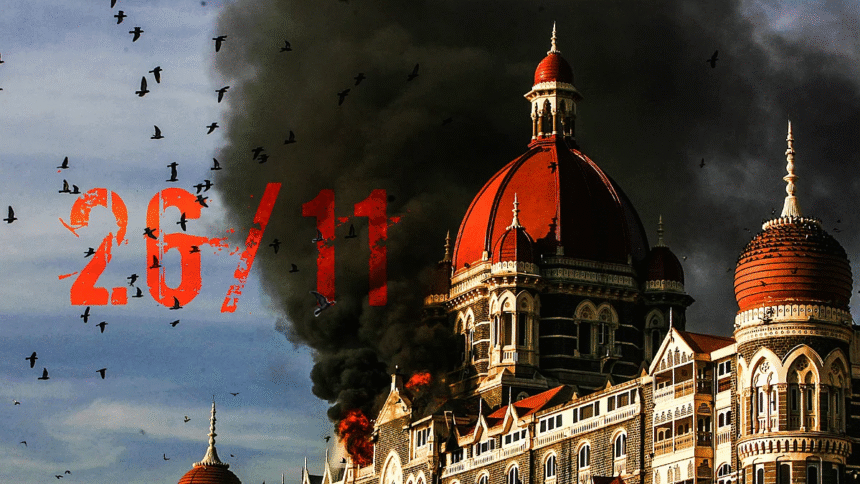
Seventeen years may have passed, yet the memory of 26/11 still feels painfully fresh for millions of Indians. If you lived through that night in 2008 , you likely remember every detailwhere you were, what you heard, and how your heart sank as the horrors unfolded on live television.
What India witnessed between November 26 and November 29, 2008, was not just a mumbai terror attack. It was an assault on Indias spirit, unity, and humanity. The tragedy shook the nation to its core and echoed around the world.
This rewritten article takes you through the events, the extraordinary acts of courage, the enduring grief, and the lessons that continue to shape Indias approach to national security17 years later.
The Night Mumbai Stopped Breathing
On the night of November 26, 2008, ten heavily armed terrorists from the Pakistan-based group Lashkar-e-Taiba infiltrated Mumbai through the Arabian Sea. Travelling by hijacked boats and using the cover of darkness, they slipped into one of the worlds busiest cities with a single missionunleash maximum destruction.
What followed was a 96-hour siege that turned Mumbais most iconic locations into battle zones. By the end,
- 166 innocent lives were lost,
- over 300 people injured, and
- millions left in shock as the city burned on live broadcasts worldwide.
Why These Targets? The Calculated Strategy Behind 26/11
26/11 Mumbai Terror Attack, What makes 26/11 especially chilling is the precision behind every move. The terrorists did not choose random placesthey selected sites that symbolized Indias economic strength, cultural diversity, and global identity.
Strategically Chosen Targets Included:
- Taj Mahal Palace Hotel Mumbais pride and an icon of world-class hospitality.
- OberoiTrident Hotel A luxury hub filled with foreign guests and business travelers.
- Chhatrapati Shivaji Maharaj Terminus (CSMT) One of Indias busiest railway stations.
- Nariman House (Chabad House) A Jewish outreach center targeted for ideological motives.
- Cama Hospital A place of healing turned into a battleground.
- Leopold Café A historic tourist hotspot known for its vibrant energy.
- Metro Cinema Junction A crowded public zone bustling at all hours.
These locations represented Mumbais cosmopolitan character, something the attackers aimed to destroy.
Four Days of Terror: How the Attack Spread Across Mumbai
The next four days became the darkest chapter in the citys history.
The Siege at the Taj Mahal Hotel
The Taj became the epicenter of the crisis. Flames engulfed upper floors, explosions rocked hallways, and terrified guests hid in rooms while commandos went floor to floor. What unfolded was nothing short of a war scenario.
Massacre at CSMT
Thousands of commuters were moving through the station when terrorists opened fire with automatic rifles. The CCTV footage has since become one of the most horrifying reminders of that night.
Nariman House Hostage Drama
Terrorists held families hostage for hours. NSG commandos later arrived via helicopter and executed a dramatic rooftop assault.
OberoiTrident Ordeal
Dozens of hostagesmany foreign nationalswere trapped inside for nearly two days. The rescue operations were slow, complex, and dangerous.
Leopold Café Attack
In less than a minute, gunmen transformed this beloved café into a site of nightmare. Bullet marks still remain as symbols of resilience.
Mumbais Pain: The Emotional Aftermath
Walk through Colaba, Nariman Point, or the lanes around the Taj, and youll still find silent reminders of that night.
Leopold Café kept some bullet holes intact as a tribute to survival.
Nariman House rebuilt and now stands as a sign of faith and endurance.
ASI Tukaram Omble: The Hero Who Changed Everything
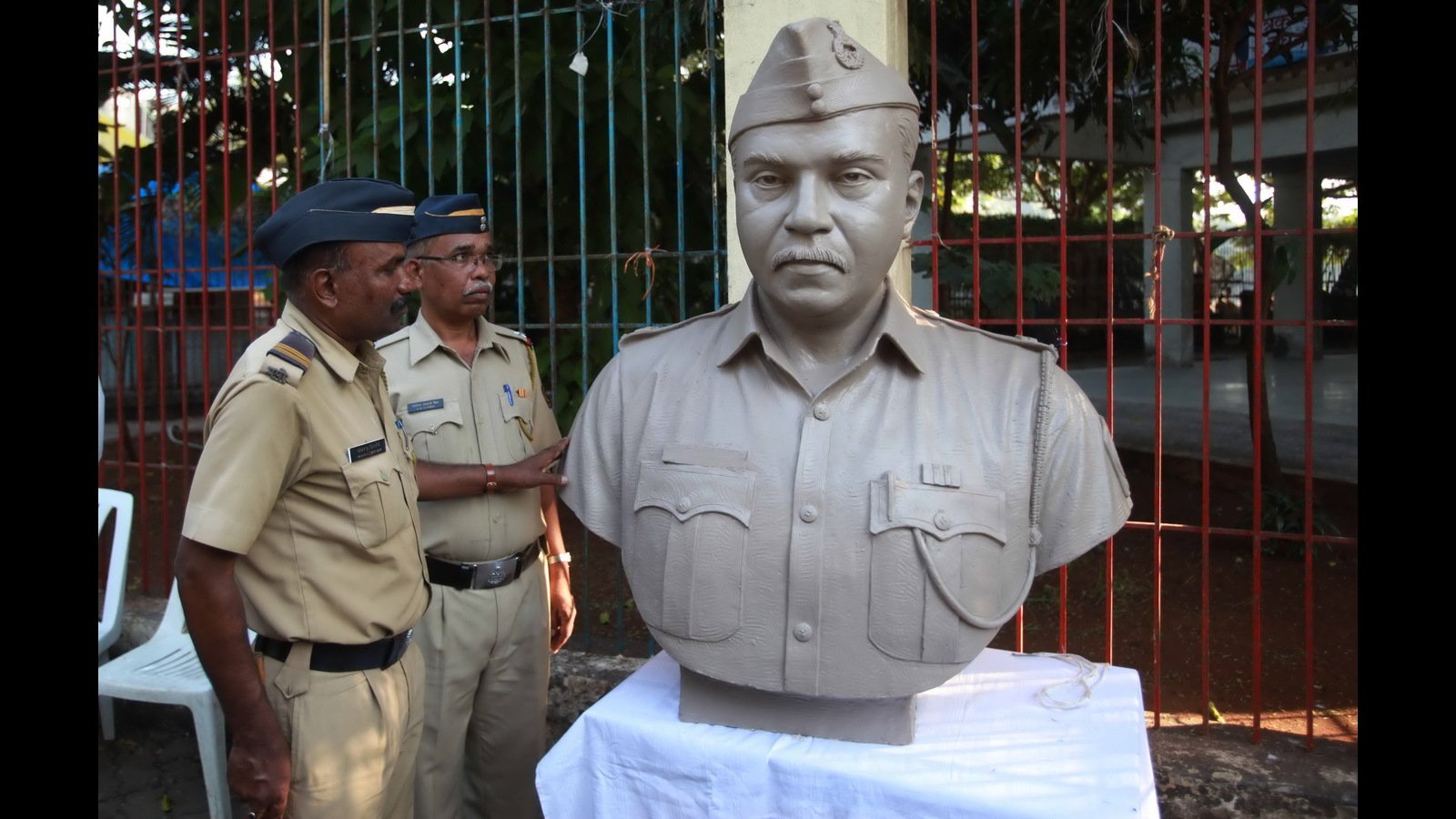
One of the bravest acts came from Assistant Sub-Inspector Tukaram Omble. Armed with only a baton, he confronted terrorist Ajmal Kasab head-on.
He took multiple bullets but managed to restrain Kasab long enough for police to capture him alive.
His sacrifice provided irrefutable evidence of Pakistans involvement and reshaped Indias counterterrorism strategy.
Ajmal Kasab: The Only Surviving Attacker
Of the ten terrorists, nine were killed, and only Ajmal Kasab was captured alive.
Kasab was:
- Tried in a special court
- Found guilty on multiple charges
- Sentenced to death in 2010
- Executed on November 21, 2012, in Punes Yerwada Jail
His execution closed the legal chapter but not the emotional wounds.
Security Lessons India Could No Longer Ignore
26/11 exposed serious gaps in Indias security machinery. The aftermath led to massive reforms in:
- Coastal surveillance and maritime security
- Coordination between intelligence agencies
- Upgrading special forces like NSG and ATS
- Rapid Response Systems
- Inter-state intelligence sharing
India adopted a zero-tolerance stance toward terrorism, ensuring such lapses would never be repeated.
The 17th Anniversary in 2025: A Nation Remembers
26/11 Mumbai Terror Attack, This year, India observes the anniversary with the theme Neverever, organized by the NSG Mumbai Unit at the Gateway of India.
Key Highlights of the 2025 Memorial
- A dedicated memorial zone with names and images of martyrs
- A Living Memorial crafted from melted wax used in candle tributes
- Participation from students of 26 schools and 11 colleges, pledging peace and vigilance
- The Gateway of India illuminated in the tricolour with the word Neverever
This is not just remembranceit is a national vow.
New Breakthroughs: NIAs Ongoing Investigation
Even after seventeen years, the case continues to reveal new layers.
The National Investigation Agency (NIA) recently sought additional information from the United States under the MLAT treaty, related to Tahawwur Rana, a key conspirator linked to the planning of 26/11.
His interrogation after extradition has opened fresh international leads, suggesting a deeper global network behind the attack.
The Human Stories: Where Grief Meets Courage
Behind the statistics lie real peopleeach with a story of pain or bravery.
Families Torn Apart
Parents, children, spousesmany lost the person they loved most. For them, every anniversary feels like reopening a wound.
Survivors Still Healing
Many who lived through the attack continue to experience trauma. Loud noises, crowded places, or a sudden alarm can bring back memories they wish they could forget.
Heroes Among Ordinary People
Hotel staff who risked their lives, policemen who charged armed terrorists without bulletproof vests, and citizens who helped strangersall became symbols of Mumbais courage.
A City That Refuses to Break
If theres one message Mumbai sent to the world, it is this:
You can hurt us, but you cannot defeat us.
Within hours of the operations ending:
- Local trains resumed
- Offices reopened
- Markets filled again
This wasnt indifferenceit was resilience. It was Mumbai telling the world that fear would never stop its heartbeat.
Conclusion
26/11 Mumbai Terror Attack, Seventeen years later, the wounds may have faded from public view, but they remain etched in Indias collective memory.
26/11 was more than a terror attackit was an emotional earthquake.
But from its ruins rose stories of courage, unity, and an unbreakable human spirit.
As the nation pays tribute to the martyrs, one message continues to echo: