
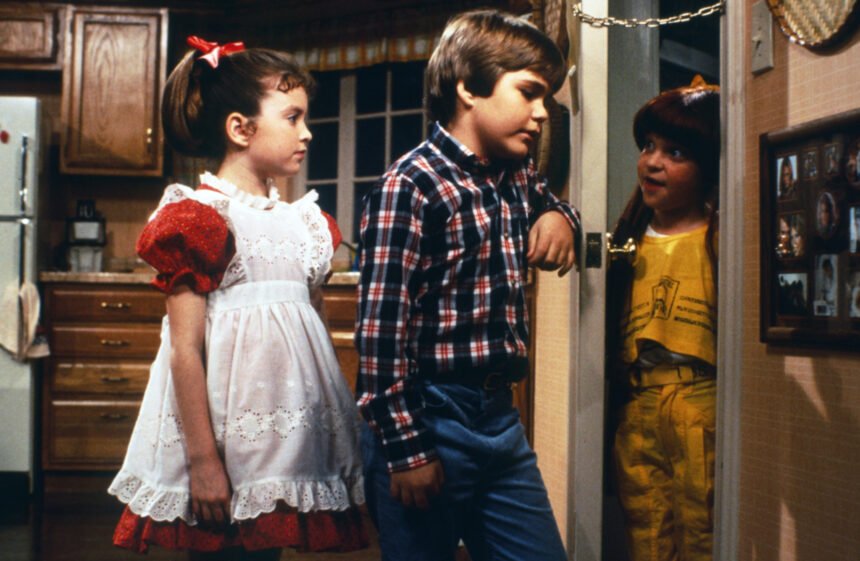
In the pantheon of 1980s television icons, few characters stand out quite like Vicki the robot from the cult classic series Small Wonder. Known simply as Vicki Small Wonder, this uniquely designed android captured the imagination of viewers with her blend of human-like traits and unmistakable robotic quirks. But behind the charm and whimsy lies a fascinating story about Vickis robotic originsan origin tale that not only defines the character but also explores themes of technology, family, and what it means to be human.
The Birth of Vicki Small Wonder
The premise of Small Wonder began with a brilliant scientist named Ted Lawson, who was tasked with creating a robot to serve a very noble purpose. Teds objective wasnt to create just any machine; he wanted to build a robot child capable of helping handicapped childrena revolutionary idea for its time. Teds creation, V.I.C.I., which stands for Voice Input Child Identicant, was designed to be as lifelike as possible. She had real hair,
realistic skin, and all the outward signs of a young girl, making her more than just metal and circuitsshe was a “small wonder” indeed.
The significance of Vicki small wonders lifelike appearance extended beyond aestheticsit was a crucial part of the storyline. Ted brought Vicki home as his adopted daughter to allow her to develop in a nurturing family environment. But that arrangement came with its challenges. The Lawson family had to conceal Vickis true robotic nature from nosy neighbors and the general public. This struggle between keeping her robotic identity hidden and integrating her into family life forms the central dramatic and comedic arc of the show.
Robotic Features and Capabilities
Vicki wasnt an ordinary child, nor an ordinary robot. Her design included multiple advanced features that set her apart not only from humans but also from conventional robots of the era. Some of her most impressive and memorable capabilities were:
-
Superhuman Strength and Speed: Vicki often demonstrated feats beyond human limits, from lifting heavy objects with ease to running at unnatural speeds.
-
Built-in Access Ports: Unique to her design were ports such as an electrical outlet located under her right arm and a data port under her left arm, which she used for recharging and interfacing with computers.
-
Access Panel on Her Back: This panel was the gateway to programming and accepting upgrades.
These features made Vicki a fascinating mix of futuristic technology and sympathetic character. Her robotic nature was on full display,
but her childlike innocence and desire to understand human emotions endeared her to audiences.
Moreover, as the series progressed, Vicki had upgrades that allowed her to perform even more complex tasks,
such as eating and drinkingwhich were cleverly explained as necessary to cool her internal system. The shows narrative design cleverly mixed humor and sci-fi to explore these robotic enhancements without overwhelming its family-friendly tone.
The Human-Robot Dynamic in Small Wonder
Vickis robotic origins raise broader questions around what defines humanity. Ted Lawsons ambition was to create a helper for humanity, but as the series illustrated, Vicki transcended her mechanical roots and became a member of the family. Her robotic origin meant she frequently misinterpreted social cues or took language literally,
producing much of the shows humor and poignancy.
The Lawson familys interaction with Vicki highlighted themes of acceptance, understanding, and love despite differences. Small wonder cleverly explored how technology, while inherently impersonal, can integrate into the warmth of human experience. It was this tension between robot and child that gave Vicki her unique appeal and inspired many viewers to rethink technologys role in everyday life.
Her robotic origins were not just plot devices but also metaphors for the challenges of growing up, fitting in, and learning about the worlda narrative that resonated deeply with the shows predominantly young audience.
Casting and the Human Face Behind Vicki
The success of Vicki small wonder was also credit to the actress Tiffany Brissette, who portrayed the character with remarkable balance. Though Vicki was a robot, Brissettes carefully modulated performance infused her with subtle humanity. Playing a monotone but curious robot child required Brissette to suppress typical childlike expressions while still conveying innocence and charm,
an achievement that garnered admiration from fans and critics alike.
Brissettes role was notable for how she navigated the challenges of maintaining a consistent robotic persona while aging in real life. The show creatively handled this by introducing an in-story character upgrade in the third season,
explaining changes in her appearance and behavior. This allowed Brissette to continue portraying Vicki without breaking the suspension of disbelief.
Cultural and Technological Impact
Small Wonder and its lead robot character, Vicki, came at a unique point in the technological landscape. AI and robotics were still largely theoretical or relegated to academic experiments. Vicki represented one of the earliest mainstream depictions of artificial intelligence on televisionparticularly in a family context.
By anthropomorphizing technology, the show helped viewers visualize and humanize complex robotics concepts long before the rise of digital assistants like Siri or Alexa. In many ways,
Vicki small wonder foreshadowed contemporary discussions about the ethical and social implications of AI integration into daily life.
Despite mixed critical reception, Small Wonder became a cult classic globally,
airing in multiple languages and reaching diverse audiences. Its portrayal of Vicki as both machine and family member offered a hopeful vision of harmony between humans and technology, which remains relevant today.
Legacy and Where to Learn More
Vickis robotic heritage makes her a fascinating subject not only for nostalgic fans but also for those interested in the intersection of pop culture and technology. The character stands as a milestone in sci-fi television history,
influencing subsequent portrayals of androids and AI in media.
For readers interested in exploring the broader context of robots and AI in pop culture,
the Smithsonian Magazine offers an insightful resource that discusses the impact and evolution of robots as portrayed in media over time:
Smithsonian Magazine on Robots in Pop Culture.
Read More: How the Loves App Enhances Your Travel Experience and Loyalty Rewards
Conclusion
Vicki small wonder is more than just a retro TV character; she is a symbol of early artificial intelligence encapsulated in a childs form. Her robotic origins tell a story about innovation, family, and the complexities of integrating technology into human lives. With her unique blend of mechanized abilities and relatable innocence, Vicki appealed to generations of viewers,
offering a glimpse into a future where technology and humanity coexist with humor and heart.