
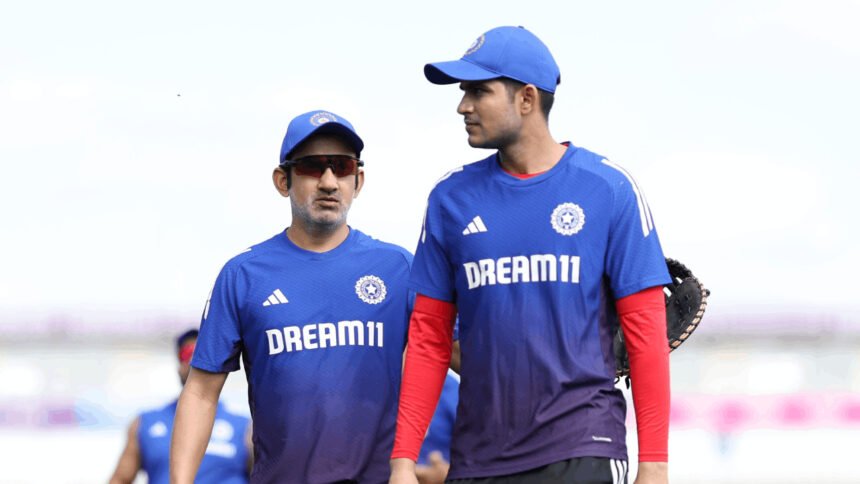
Shubman Gill 15-Day Training Camps, Cricket fans are talking — and for good reason. After India’s shocking 0-2 Test loss at home against South Africa, Test cricket found itself under intense scrutiny, prompting Test captain Shubman Gill to make a bold proposal to the Board of Control for Cricket in India (BCCI): a 15-day preparatory camp before every Test series. His idea might just be the spark Indian Test cricket needs to bounce back and reclaim its dominance.
A Wake-Up Call for Team India
Losing a home series doesn’t happen often for Team India. But when it does, it leaves deep marks. The defeat against South Africa followed another painful whitewash at home, this time by New Zealand in 2024 — a clear sign that something isn’t clicking right in the current setup.
The back-to-back failures sent shockwaves through the cricketing community, raising serious questions about India’s preparation strategy and scheduling.
Shubman Gill Steps Up as a Leader
Taking over after Rohit Sharma and Virat Kohli retired from Test cricket, Gill entered leadership with huge expectations. Despite a promising start — including a series draw against England and a convincing win over the West Indies — the young skipper quickly discovered that the challenges of Test captaincy go far beyond tactics and talent.
Gill has now emerged not just as a run machine but as a thinker. His call for structured 15-day red-ball camps highlights his growing maturity and vision for the team’s long-term success.
Why 15-Day Camps Matter
Shubman Gill 15-Day Training Camps suggestion is simple yet smart. Modern cricket’s jam-packed schedule leaves little breathing room between formats. One week, players are smashing boundaries in T20s; the next, they’re expected to defend patiently on turning tracks. That drastic switch isn’t easy.
By adding a 15-day red-ball boot camp before every Test series, players can reset their mindset, fine-tune their techniques, and adapt to the rhythm of Test cricket. Gill’s idea aims to turn chaos into calm — ensuring that India enters every Test match mentally refreshed and technically ready.
Scheduling Woes: The Unseen Enemy
India’s recent scheduling has been nothing short of brutal. The team played the South Africa series just four days after finishing a high-energy T20I tour against Australia. Fatigue, both mental and physical, clearly affected performance.
“Gill was very clear that the team needed better preparation before stepping into a Test series,” a BCCI insider revealed. “This season’s calendar didn’t allow much rest or practice, which impacted outcomes.”
It’s hard to argue with that logic — after all, great preparation often separates good teams from great ones.
BCCI’s Reaction: Open to Change
Interestingly, the BCCI seems receptive to Gill’s vision. According to sources, the board has already held several informal discussions with selectors and senior staff about restructuring India’s preparation model.
Gill is being seen as a strong, assertive leader bringing clarity and purpose to the dressing room — something Indian cricket urgently needs after the Rohit-Virat era.
Center of Excellence to the Rescue
Implementing these training camps won’t be easy. With India’s jam-packed schedule across all formats, finding 15 spare days might sound impossible. Yet, the BCCI seems willing to adapt.
Insiders suggest that when head coach Gautam Gambhir is occupied with limited-overs squads, the Centre of Excellence (CoE) in Bengaluru — led by the legendary VVS Laxman — may step in to organize specialized red-ball training camps.
It’s a flexible solution that could keep the momentum alive without overhauling the entire calendar.
Gill’s Growing Influence on BCCI
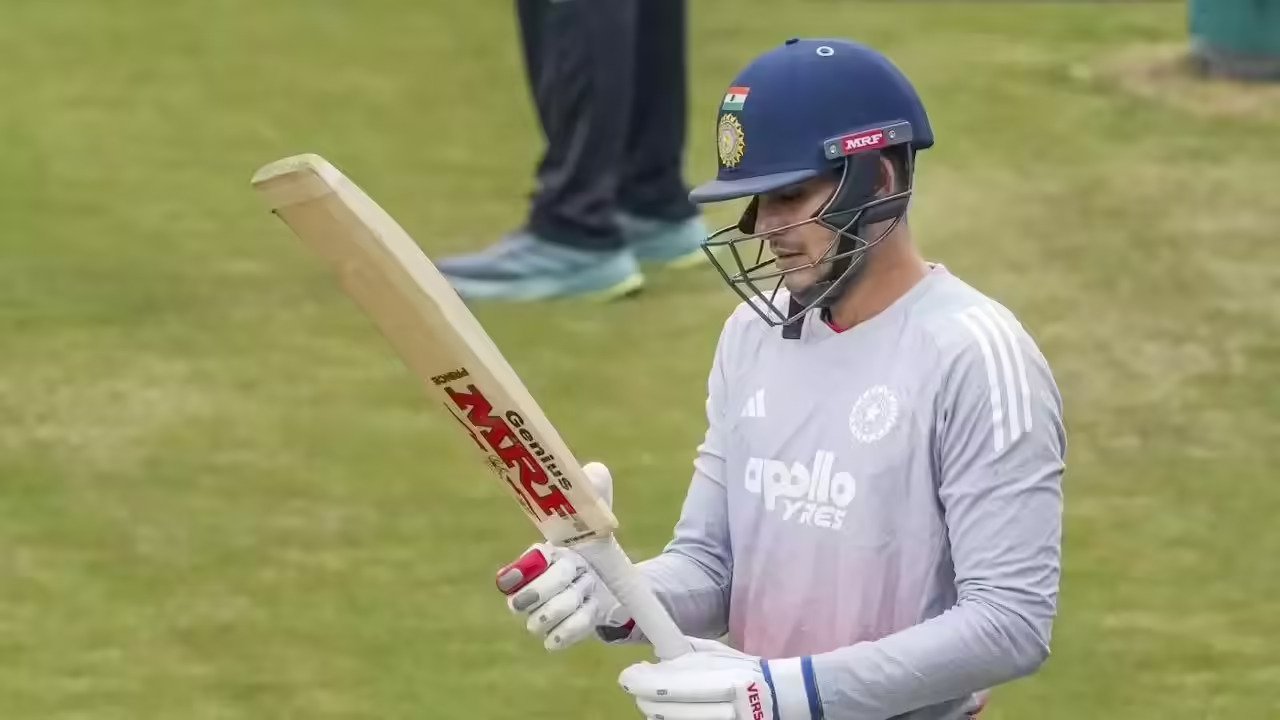
Gill’s leadership style is quietly rewriting the script in Indian cricket. He’s not just following old systems; he’s reshaping them. Reports say BCCI is giving him a bigger role in strategic decisions — from player workload management to long-term Test planning.
“Gill is asserting his authority in the right way,” one official said. “It’s the kind of leadership Team India needs to transition into a new era.”
Clearly, India’s Test future is beginning to reflect Gill’s mindset — disciplined, confident, and forward-thinking.
Lessons from the South Africa Loss
Every defeat carries lessons, and India’s latest loss is no different. South Africa didn’t just outplay India technically; they out-prepared them. The Proteas entered the series with extended practice sessions and focused team simulations. Gill’s camp proposal, therefore, isn’t merely reactive — it’s an inspired move to match that level of preparedness.
Cricket, after all, is like a chess match — you win not with flashy moves, but with foresight.
A Realistic Look at the WTC Future
Following the South African whitewash, India’s path to the World Test Championship (WTC) Final has become narrow. With only three series left in the 2025–27 cycle (against Sri Lanka, New Zealand, and Australia), there’s little margin for error.
The upcoming Sri Lanka tour in July 2026 could mark the perfect moment to test Gill’s new plan. A 15-day preparatory camp before that series might set the tone for a renewed comeback.
Can Indian Cricket Afford Not to Prepare?
Here’s the real question — can India afford to skip proper red-ball preparation in today’s hyper-competitive era? With teams like Australia, South Africa, and England investing heavily in training infrastructure, India’s top priorities must shift from quantity to quality.
Gill’s push for mindful scheduling shows that he understands the evolving nature of Test cricket — slow in format but demanding in discipline.
Similar Articles: ICC Test Rankings: Shubman Gill Historic Rise & Global Shifts in World Cricket
Conclusion
Shubman Gill 15-Day Training Camps, Shubman Gill has placed the spotlight on something cricket fans have long whispered about — India’s overpacked schedule and undercooked red-ball readiness. His call for 15-day training camps is more than just a tactical tweak; it’s a mindset change.
By backing this idea, BCCI and team management might just rekindle India’s lost Test dominance and shape the foundation for a stronger, sharper cricketing future.
So, will Gill’s strategy get the green light? If it does, Indian Test cricket could soon step into a new golden chapter — one grounded in preparation, precision, and pride.