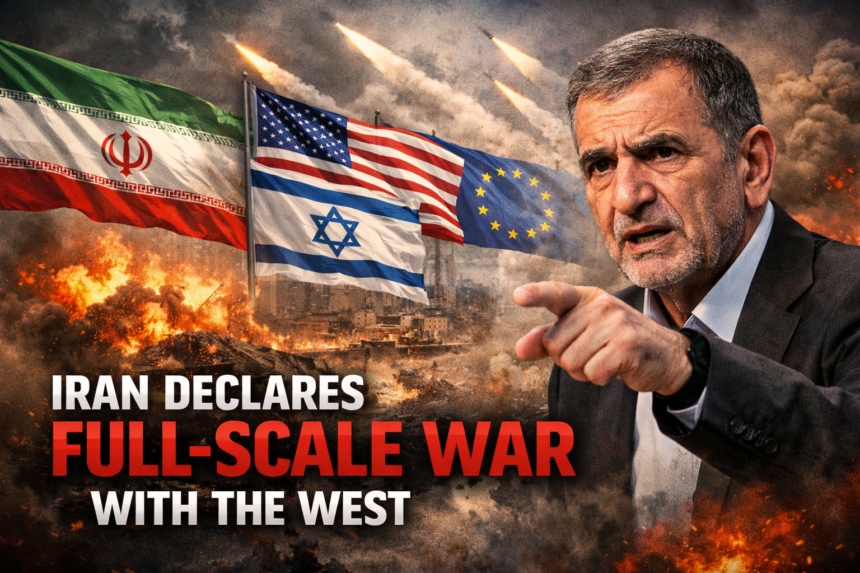
The tension between Iran and the West has reached a new boiling point, marking a dangerous phase in Iran vs US Israel Europe. Just days before US President Donald Trump and Israeli Prime Minister Benjamin Netanyahu were set to meet, Iranian President Masoud Pezeshkian made a bold declaration: Iran is now in a full-scale war with the United States, Israel, and Europe. This statement, coming at such a strategic time, underscores the rapid escalation in Iran vs US Israel Europe tensions and paints a picture of an increasingly fragile geopolitical landscape.
A Warning From Tehran
Speaking on Saturday, Pezeshkian didnt mince words. He claimed that Western powers have intensified their campaign against Iran, aiming to destabilize the country from within. They dont want our nation to remain stable, he said. His words were not just political rhetoricthey were a warning and a rallying cry to the Iranian people and military forces.
A Stronger Iran Than Ever Before
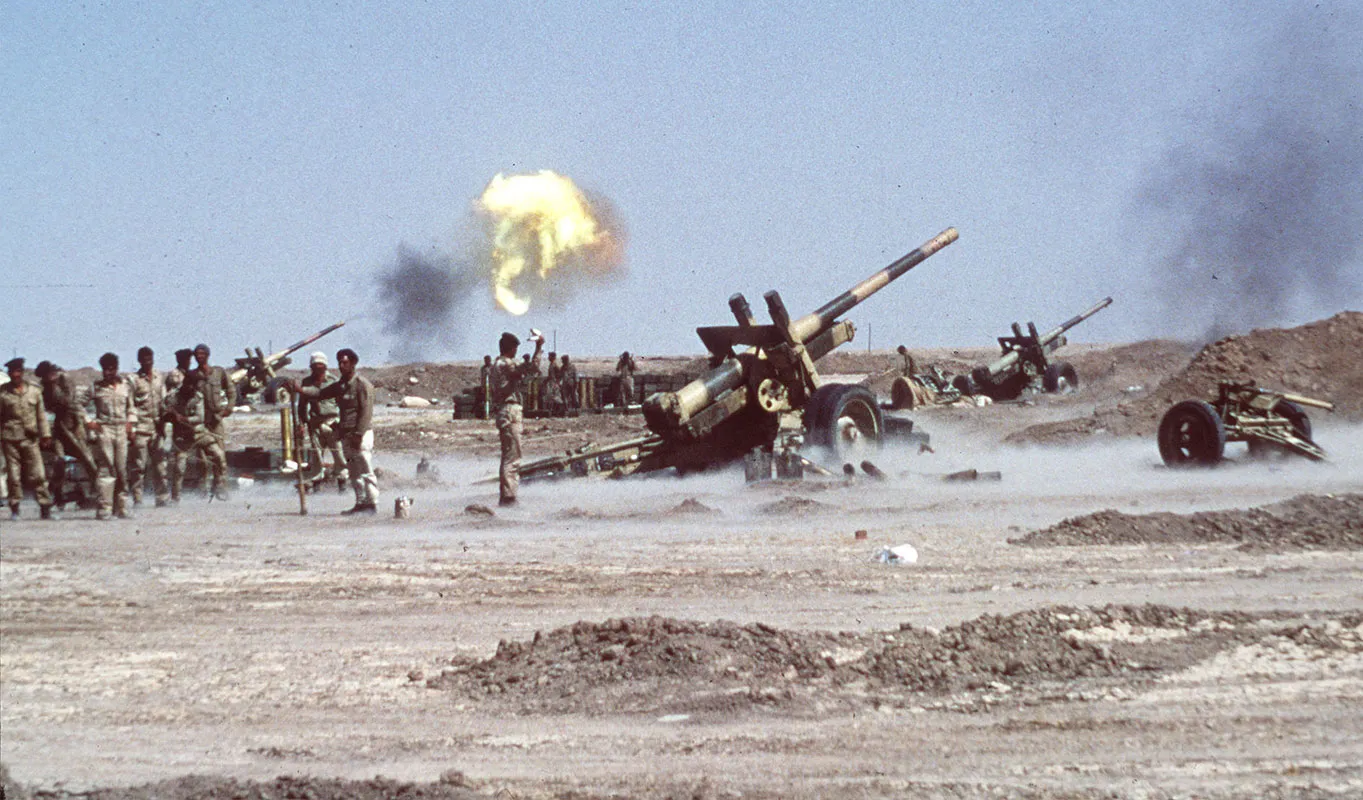
Interestingly, Pezeshkian drew comparisons between todays situation and Irans bloody war with Iraq during the 1980sa conflict that claimed over a million lives. However, he stressed that times have changed. According to him, Irans military power today is far more advanced, both in technology and resilience. The war against the West, he added, is more complicated and more difficult, but Iran stands stronger and more united.
The Shadow of a Recent Attack
Iran Full-Scale War With West, Much of this fiery rhetoric stems from recent events. Earlier this year, the United States and Israel reportedly carried out attacks on Iranian nuclear facilities. The strikes killed around 1,100 people and inflicted heavy damage, sparking outrage across the country. Tehran maintains that its nuclear research is strictly for peaceful energy purposes, while Washington insists its an attempt to develop nuclear weapons.
Khamenei and Pezeshkian: United Against Pressure
Irans Supreme Leader Ayatollah Ali Khamenei has joined hands with President Pezeshkian in presenting a united front. Both leaders have condemned Western aggression and vowed to resist. While Pezeshkians tone blends caution with defiance, Khameneis statements have been even more sterncalling on citizens to brace themselves for continued hardship as Western sanctions tighten their grip.
Feeling the Squeeze: Economic and Social Strain
Pezeshkian painted a vivid picture of what he described as siege conditions. He accused Western nations of trying to choke Irans economy by blocking trade, restricting exports, and isolating the country diplomatically. They are besieging us from every aspect, he said, lamenting that while the nation faces growing hardships, societal expectations continue to rise. The president urged unity and perseverance, emphasizing the importance of collective effort in rebuilding the nation.
A Nation That Refuses to Bow
Despite the mounting difficulties, Pezeshkian highlighted the spirit of resilience among Iranians. He credited ordinary citizens for standing tall during attacks and crises. The enemy expected chaos, he said, but our people defended their Irantheir homeland, their faith, their culture, and their leadership. His words echoed a familiar theme in Iranian politics: resistance against foreign interference as a matter of national pride.
Trumps Return and the Revival of Maximum Pressure
Iran Full-Scale War With West, Donald Trumps return to the White House in January has reignited his hardline stance on Iran. His maximum pressure campaignmarked by severe sanctions and diplomatic isolationhas once again taken center stage. By targeting Irans oil exports and international financial networks, Trumps administration aims to weaken Tehran economically and politically.
A Diplomatic Deadlock at the United Nations
The tension is also spilling onto the global stage. At a recent United Nations Security Council session, the US and Iran clashed over restarting nuclear negotiations. While Washington signaled readiness for direct talks, Iran pushed back, rejecting what it saw as one-sided conditions. The standoff underscored how fragile any potential diplomatic breakthrough remains in this ongoing saga.
The Regional Chessboard: A Power Struggle Unfolding
Beyond words and statements, the Iran-West conflict represents a larger struggle for influence in the Middle East. Israel views Iran as an existential threat, while the US sees Tehrans regional ambitionsespecially its backing of proxy groupsas destabilizing forces. To many observers, the upcoming Trump-Netanyahu meeting signals not just alliance coordination but possibly the next steps in countering Irans growing presence.
The Psychological War Within
Pezeshkians remarks also hinted at another kind of warone not fought with weapons but with ideas. Economic hardships, cultural pressures, and political sanctions all contribute to what he calls an internal siege. This psychological toll, he suggested, could prove just as damaging as any military confrontation. In his view, maintaining morale and unity is Irans best defense.
A High-Stakes Future
What happens next is anyones guess. With diplomatic channels narrowing and rhetoric hardening, even a small misstep could trigger broader conflict. The world is watching closely as the Trump-Netanyahu talks approach, wondering whether diplomacy can still find a way amid the escalating tensions.
Similar Articles: Israel Strikes Iran: Tensions Soar As Nuclear Sites Targeted in Explosive Offensive
Conclusion
Iran Full-Scale War With West, Iran stands at a crossroadsdefiant yet vulnerable, isolated but unyielding. President Pezeshkians declaration of a full-scale war with the West isnt merely a slogan; its a reflection of a deeper reality. Caught between internal challenges and external pressure, Irans story is one of survival, pride, and an unending push against global tides trying to pull it down. Whether this standoff ends in negotiation or escalation remains to be seen, but one thing is clear: the storm over the Middle East is far from over.