
In the buzzing world of digital transactions, GST on UPI payments is suddenly making headlines. Rumors are flying around faster than a UPI transfer, claiming that transactions above ¹2000 might soon attract a whopping 18% GST. Sounds scary, right? But hold onbefore you start stuffing your wallet with cash again, lets dive deep into whats really going on.
What Sparked the Buzz Around GST on UPI Payments?
Recently, some reports began circulating online suggesting that the government might impose GST on UPI payments exceeding ¹2000. Naturally, this caused panic among regular users, shopkeepers, and small business owners alike. After all, UPI (Unified Payments Interface) has become our go-to for everything from splitting bills at a café to paying rent.
But is this a real threat or just internet gossip? Lets unpack it.
Why UPI Is a Big Deal in India
Before we get into the GST chaos, lets talk about why UPI is so essential. UPI has transformed the way India transacts. Its fast, reliable, andbest of allfree.
In March alone, India saw a record-breaking ¹24.77 lakh crore worth of UPI transactions. Thats not just a number; it’s a testament to how deeply digital payments are embedded in our lives.
What Are Experts Saying About GST on UPI Payments?
Lets get straight to what the experts are saying. And spoiler alertits not as alarming as it sounds.
Theres No GST on the Transaction ItselfAnand K Rathi, MIRA Money
Anand K Rathi, co-founder of MIRA Money, makes an important point. He says people are misunderstanding the issue. According to him, there’s no GST on the actual amount you’re sending via UPI. The confusion stems from the service fees that some platforms might start charging.
If a platform like PhonePe or Google Pay decides to charge a small transaction fee, only that fee may have 18% GSTnot the whole transaction, he clarified.
So, if you send ¹5000 through UPI and your platform charges ¹1 as a service fee, the GST (18%) will apply only to that ¹1, not the ¹5000. Phew!
Does This Mean UPI Will No Longer Be Free?
Heres the thingUPI is still free. In fact, most bank-to-bank transfers dont attract any fees or taxes. Some platforms may charge for premium services or excess usage, and only those additional charges will be taxed.
Bottom line? You’re not going to be taxed 18% just for sending money via UPI.
Imposing GST on UPI Could Hurt the Digital EconomyManish Kumar Goyal, Finkeda
Manish Kumar Goyal, CMD of Finkeda, isnt too thrilled about the idea. According to him, taxing UPI paymentseven indirectlycould discourage adoption, especially in small towns and rural areas where cashless payments are just gaining momentum.
This could be a huge setback for the digital payment movement thats been thriving over the past few years, he said.
Small Merchants and P2P Users Dont Need to Worry
Lets make one thing crystal clearany existing charges apply mainly to high-volume merchant payments (P2M), not regular peer-to-peer (P2P) transactions. So if you’re paying your friend back for dinner, you wont be impacted.
This also means your neighborhood kirana store or your local chaiwala can still accept UPI without worrying about losing customers due to extra charges.
Its a Hypothetical Situation Right NowSo Dont Panic Yet
Most experts believe this entire issue is hypothetical at best. The government hasnt announced any official plans to impose GST on UPI payments. Until that happens, its just speculation.
Plus, given how aggressively the Indian government is pushing for a cashless, digital economy, such a move seems counterintuitive.
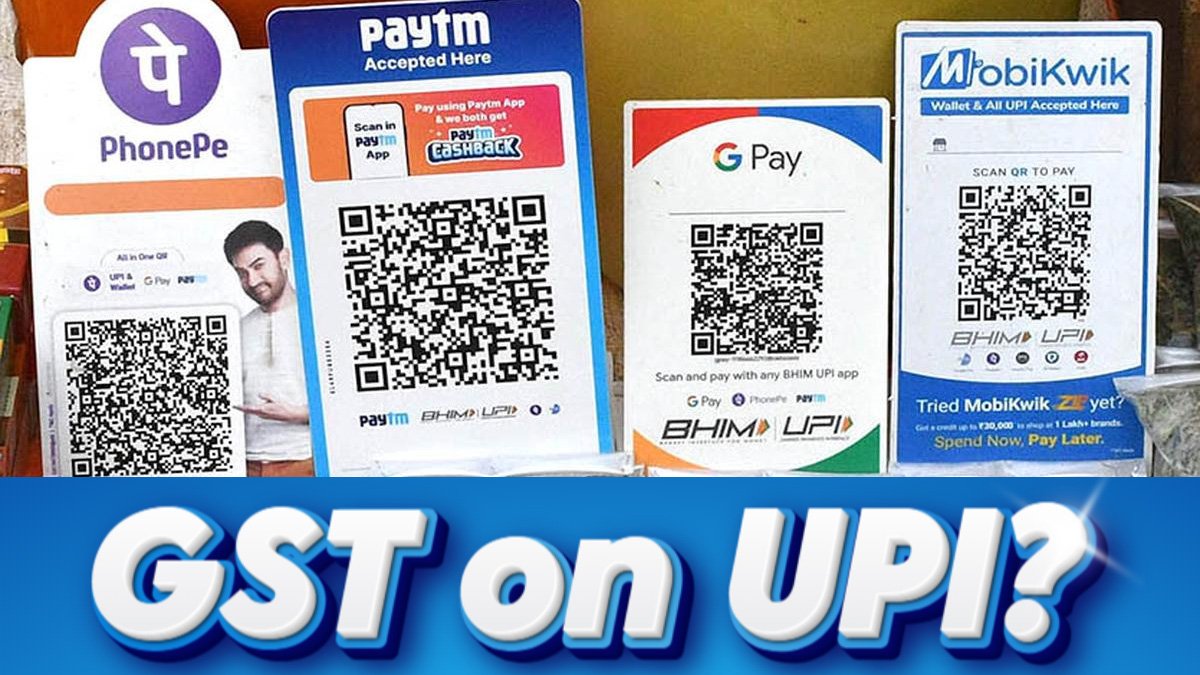
UPI and Financial Inclusion Go Hand in Hand
Appalla Saikiran, Founder & CEO of SCOPE, also emphasized how crucial UPI is for financial inclusion. It’s not just about convenienceUPI has empowered millions of Indians who never had access to formal banking.
Adding taxes on such services goes against the very spirit of accessibility and affordability, he argued.
Hes right. Think about it: when you start charging for something that was once free and empowering, peopleespecially those on tight budgetsmight stop using it.
The Fintech Industry Could Take a Hit
This potential change wouldnt just affect usersit would shake up the fintech ecosystem. According to Saikiran, small fintech platforms that rely on low-fee models could struggle if forced to absorb new taxes or pass them on to users.
In an industry that thrives on low margins and high volumes, any added cost could be a game-changer.
Lets Not Kill the MomentumAkash Nangia, Techjockey
Akash Nangia, Co-founder of Techjockey, highlighted another angle. He says imposing GST on higher-value UPI transactions might make sense from a tax standpoint, but it risks slowing down digital adoption, especially in Tier 2 and Tier 3 cities.
Weve made massive progress in digital payments. Lets not throw a wrench in the gears now, he urged.
So, Is GST on UPI Payments Really Coming?
Right now, the answer is a firm NO.
-
There is no official government notification.
-
There is no tax on the transaction valueonly on possible service fees.
-
And UPI is still very much free for regular users.
Whats happening is a lot of misunderstanding and a little bit of panic. The governments goal is to boost digital payments, not discourage them. So until we hear otherwise, keep using your favorite UPI app without fear.
Conclusion
We get itnobody likes the word “tax”, especially when it shows up in your daily transactions. But in this case, theres a lot more smoke than fire. GST on UPI payments might be trending, but the reality is a lot less dramatic.
So go aheadpay your bills, split that pizza bill with your friends, or shop onlineall with the same zero-fee UPI convenience you know and love.
And if anything changes, trust us, youll hear it from the government first, not a WhatsApp forward.