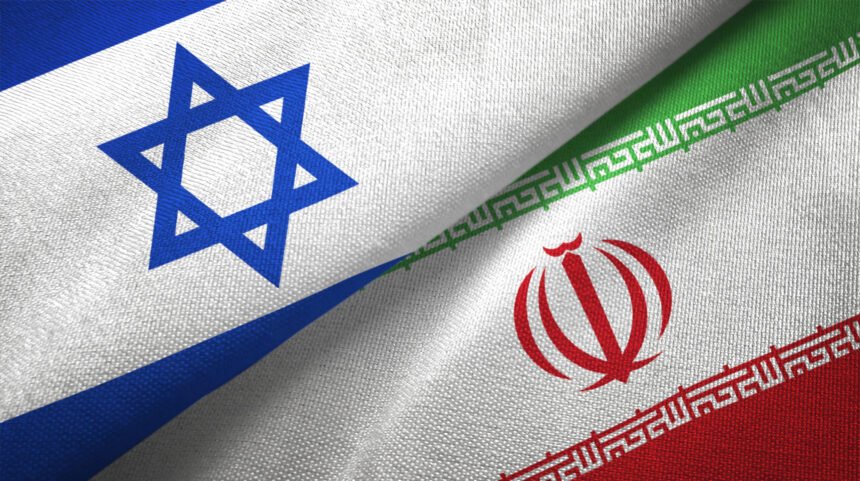
Iran-US Talks, In a region where diplomacy often moves like a chessboard rather than a straight road, a fresh geopolitical twist has emerged. Iran has made one thing crystal clear—there are no direct Iran-US talks planned, at least not for now. Yet diplomacy is far from frozen.
Instead, Tehran is leaning on Pakistan as a diplomatic bridge, using Islamabad as a backchannel to communicate concerns and proposals to Washington. And with Iranian Foreign Minister Abbas Araghchi arriving in Pakistan alongside a senior delegation, the message is unmistakable: negotiations may be indirect, but they are very much alive.
These evolving Iran US indirect talks, facilitated through Pakistan, are emerging as a critical backchannel that could shape the future of regional stability and nuclear diplomacy.
At a time when tensions around the Strait of Hormuz, sanctions, military blockades, and nuclear concerns continue to shape global headlines, Pakistan is suddenly finding itself at the center of one of the world’s most sensitive diplomatic equations.
Let’s unpack what’s really happening.
Iran Rejects Direct Talks with the US—for Now
Iran has firmly ruled out face-to-face negotiations with the United States during this latest diplomatic effort.
According to Tehran, any communication with Washington will happen through Pakistan, which is acting as an intermediary. That may sound like diplomacy through a middleman—and that’s exactly what it is.
Sometimes diplomacy isn’t about two rivals sitting across a table. Sometimes it’s passing notes through a trusted friend.
Iranian officials have emphasized that Pakistan will relay Tehran’s concerns, demands, and strategic positions to American officials, avoiding direct engagement while keeping the diplomatic channel open.
That distinction matters.
It suggests Iran is not rejecting negotiations altogether—it is controlling the format.
Abbas Araghchi’s Islamabad Visit Signals Serious Movement
Iran-US Talks, Iranian Foreign Minister Abbas Araghchi’s arrival in Islamabad was not ceremonial. It carried weight.
Leading a senior delegation, Araghchi is expected to hold high-level meetings with:
- Pakistan Prime Minister Shehbaz Sharif
- Army Chief General Asim Munir
- Foreign Minister Ishaq Dar
Those meetings could shape the next phase of regional diplomacy.
Pakistan’s leadership appears deeply invested in facilitating dialogue, especially as instability in the Gulf threatens both regional security and global energy flows.
And make no mistake—when military leadership is involved alongside diplomats, the stakes are rarely small.
Pakistan’s Role as Mediator Is Growing Fast
Pakistan has quietly moved into an unexpected role: mediator between Washington and Tehran.
That’s significant.
Islamabad has often balanced ties between competing powers, but serving as a communication channel in a crisis involving Iran and the US elevates its diplomatic relevance considerably.
Why Pakistan?
Several reasons stand out:
Strategic Trust with Tehran
Pakistan shares a border and longstanding diplomatic ties with Iran, making communication easier and politically acceptable.
Working Channels with Washington
Despite complicated moments in bilateral relations, Pakistan retains strategic access to US policymakers.
Regional Stability Interests
Conflict in the Gulf impacts Pakistan directly—from trade routes to energy supplies.
In short, Pakistan has skin in the game.
No Formal Iran-US Meeting, But Negotiations Continue Indirectly
This is where things get interesting.
Officially?
No Iran-US talks.
Unofficially?
Plenty of diplomacy.
It’s a classic diplomatic paradox.
While Tehran rejects direct meetings, both sides appear to be maneuvering toward renewed engagement through intermediaries.
Think of it less as peace talks paused—and more as peace talks happening in disguise.
US Delegation Expected in Islamabad
Iran-US Talks, While Iran’s delegation is already in Pakistan, American envoys are reportedly preparing their own diplomatic push.
Special envoy Steve Witkoff and Jared Kushner are expected in Islamabad for discussions facilitated by Pakistan.
That development changes the picture dramatically.
Because once both sides send senior representatives to the same mediator, even without sharing a room, diplomacy has effectively restarted.
The White House has also indicated Vice President JD Vance, Secretary of State Marco Rubio, and the national security team remain involved from Washington.
This isn’t symbolic outreach.
This is structured diplomacy.
Trump Signals Iran May Be Preparing an Offer
Adding more intrigue, President Donald Trump said Iran may be preparing a proposal designed to meet US demands.
That raised eyebrows globally.
What kind of offer?
Details remain unclear.
But Washington has repeatedly pushed key demands, including:
- Limits on enriched uranium
- Security guarantees in the Gulf
- Free oil movement through the Strait of Hormuz
Trump also made clear any agreement would likely shape whether American pressure, including maritime restrictions, is eased.
That makes any Iranian proposal potentially pivotal.
Could this be the first crack in the deadlock?
Possibly.
The Strait of Hormuz Remains the Biggest Obstacle
If there’s one issue haunting negotiations, it is the Strait of Hormuz.
And for good reason.
Roughly a fifth of global oil trade passes through that narrow corridor.
When tensions rise there, the whole world feels it.
Recent disruptions have drastically reduced shipping traffic.
What was once a route handling around 130 vessels daily has reportedly slowed to a trickle.
That’s not just a regional problem.
That’s a global economic alarm bell.
Why Hormuz Matters So Much
Iran-US Talks, Imagine the world’s energy supply running through a narrow doorway—and someone locking it.
That’s Hormuz.
Iran has linked future engagement with Washington partly to developments around the waterway, while the US insists maritime freedom is non-negotiable.
That deadlock remains central.
Military Pressure and Diplomacy Are Running Side by Side
Here’s the unusual part.
Diplomacy is advancing while military pressure continues.
Normally one replaces the other.
Not here.
The US has maintained pressure through sanctions and maritime restrictions.
Iran has responded with strategic signaling at sea.
And yet negotiations—however indirect—are moving.
It’s diplomacy under pressure.
Or maybe pressure as diplomacy.
Either way, it’s delicate.
Multi-Capital Diplomacy Suggests Broader Strategy
Araghchi’s Pakistan stop is reportedly only part of a broader diplomatic circuit including:
- Islamabad
- Muscat
- Moscow
That matters because it shows Tehran isn’t putting all its chips on one channel.
It’s engaging multiple capitals simultaneously.
That often signals one thing:
A serious push to break stalemate.
Muscat has long played quiet mediator roles in Middle East diplomacy.
Moscow adds another layer of geopolitical leverage.
Together, this looks less like routine diplomacy and more like coordinated strategic outreach.
Why Tehran Prefers Indirect Talks Right Now
Why avoid direct US talks if diplomacy is the goal?
Because optics matter.
Direct talks could be politically costly inside Iran.
Indirect talks allow Tehran to:
- Preserve leverage
- Avoid appearing pressured
- Test US flexibility
- Control domestic political fallout
It’s diplomacy without political surrender.
And in Middle East politics, symbolism often matters almost as much as substance.
Can Pakistan Actually Break the Impasse?
That’s the big question.
Can Islamabad move two entrenched rivals closer to compromise?
Skeptics will say mediation alone won’t solve nuclear disputes, sanctions battles, or maritime confrontation.
Fair point.
But diplomacy rarely starts with grand breakthroughs.
It starts with openings.
And Pakistan may be helping create one.
Sometimes the hardest part isn’t negotiating peace.
It’s getting people back to talking.
Global Markets Are Watching Closely
These talks aren’t just about Iran and the US.
Energy markets are watching.
Shipping companies are watching.
Governments are watching.
Every signal from Islamabad could affect:
- Oil prices
- Shipping insurance costs
- Regional security calculations
- Global diplomatic alignments
That’s why even indirect talks matter.
When diplomacy flickers in a crisis zone, markets notice immediately.
A Fragile Opening, But an Opening Nonetheless
Despite official denials of direct Iran-US talks, the broader picture suggests movement.
Pakistan’s mediation is gaining traction.
Delegations are arriving.
Messages are being exchanged.
Proposals may be forming.
The deadlock hasn’t broken.
But it may be bending.
And sometimes, in diplomacy, that’s how breakthroughs begin.
Read More: Why the US Iran Ceasefire May Not Hold: Lebanon Could Be the Breaking Point
Conclusion
Iran-US Talks, Tehran insists there are no direct Iran-US talks planned, and Pakistan will carry messages between the two sides. But beneath that formal position, something bigger appears underway.
With Abbas Araghchi in Islamabad, American envoys expected, and growing pressure over the Strait of Hormuz, diplomacy seems to be shifting from confrontation toward cautious engagement.
Pakistan has unexpectedly emerged as a pivotal broker in one of the world’s most volatile geopolitical standoffs.
Whether this leads to a genuine breakthrough or another diplomatic pause remains uncertain.
But one thing is clear:
The story is no longer about whether talks exist.
It’s about what these indirect talks might produce.
And that could reshape the region.