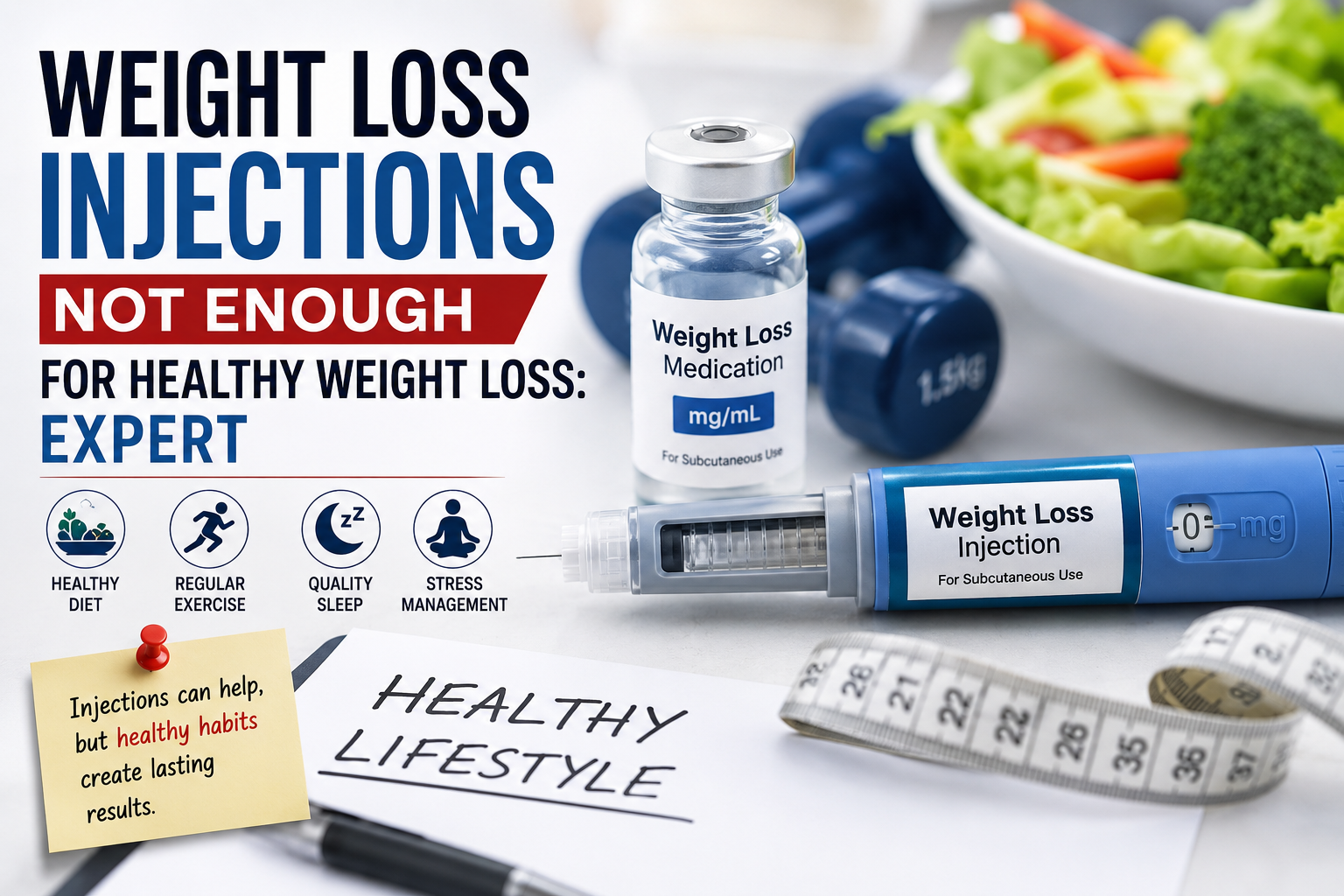
Weight Loss Injections, The global obesity epidemic has fueled an unprecedented demand for weight-loss medications, particularly injectable treatments that promise rapid and significant weight reduction. Social media success stories, celebrity endorsements, and increasing medical acceptance have made these injections one of the hottest topics in modern healthcare. For many people struggling with obesity, these medications appear to offer a long-awaited breakthrough.
However, medical experts continue to emphasize an important reality: weight loss injections are not miracle cures.
As obesity rates continue to rise across the world, understanding what these medications can—and cannot—do has never been more important.
Obesity Is More Than an Appearance Issue
For decades, many people viewed obesity simply as a matter of body image or physical appearance. Modern medical science tells a very different story.
Obesity is now recognized as a chronic metabolic disease that significantly increases the risk of developing numerous serious health conditions. It affects virtually every organ system in the body and places enormous pressure on healthcare systems worldwide.
According to Dr. Kurt, reducing obesity to an aesthetic issue ignores the real medical dangers it presents.
Excess body fat is closely associated with conditions such as:
- Type 2 diabetes
- High blood pressure
- Heart disease
- Stroke
- Sleep apnea
- Fatty liver disease
- Osteoarthritis
- Certain types of cancer
Because obesity often progresses over time, early intervention becomes essential. Treating it effectively requires much more than simply trying to lose a few kilograms.
The Growing Global Obesity Crisis
Weight Loss Injections, Obesity has become one of the biggest public health challenges of the 21st century.
Across many countries, both adults and children are becoming overweight at alarming rates due to changing lifestyles, increased consumption of processed foods, sedentary work environments, and reduced physical activity.
Dr. Kurt cited national data indicating that approximately 70% of the population is either overweight or obese, highlighting just how widespread the problem has become.
This trend has serious consequences beyond individual health.
Healthcare costs continue to rise as obesity contributes to chronic diseases that require lifelong treatment. Reduced productivity, disability, and shorter life expectancy also create significant economic burdens for societies worldwide.
Experts agree that reversing this trend will require education, prevention, medical support, and sustainable lifestyle improvements rather than quick fixes.
How Weight-Loss Injections Actually Work
One of the biggest misconceptions surrounding weight loss injections is that they somehow “burn fat.”
In reality, these medications work by influencing the body’s natural appetite and digestive processes.
Most modern injectable weight-loss medications help patients by:
- Increasing feelings of fullness
- Slowing stomach emptying
- Reducing hunger signals
- Lowering appetite
- Improving metabolic regulation
- Helping control calorie intake naturally
Instead of forcing rapid weight loss, these medications make it easier for patients to consume fewer calories without feeling constantly hungry.
This biological support can be especially valuable for individuals whose obesity is driven by hormonal imbalances affecting appetite regulation.
However, the medication itself does not eliminate unhealthy eating habits or sedentary lifestyles.
Why Weight-Loss Injections Are Not Standalone Solutions
Despite their growing popularity, experts caution against viewing injectable medications as miracle treatments.
Dr. Kurt stresses that these therapies should be considered supportive medical tools rather than complete solutions.
Think of weight loss injections like training wheels on a bicycle.
Training wheels help maintain balance while learning, but they are never intended to replace the rider’s own ability to cycle.
Similarly, injections can assist patients while they develop healthier routines, but lasting success depends on sustainable behavioral changes.
Without healthier eating patterns, consistent exercise, proper sleep, hydration, and stress control, the benefits of medication often diminish once treatment ends.
Who Actually Qualifies for Weight-Loss Injections?
Not everyone hoping to lose weight is an appropriate candidate for injectable therapies.
Medical professionals typically evaluate patients using Body Mass Index (BMI) along with existing health conditions.
According to Dr. Kurt, weight loss injections are generally recommended for:
- Individuals with a BMI of 30 or higher
- Patients with a BMI above 27 who also suffer from obesity-related conditions such as diabetes or hypertension
Even then, meeting these criteria does not automatically mean injections are necessary.
Doctors carefully assess each patient’s overall health, medical history, previous weight-loss efforts, and long-term goals before recommending treatment.
These Medications Are Not Designed for Minor Weight Loss
One growing concern among healthcare providers is the increasing number of individuals seeking prescription weight-loss medications for cosmetic reasons.
Many people simply want to lose three to five kilograms before a holiday, wedding, or special event.
Dr. Kurt emphasizes that injectable treatments are not intended for this purpose.
These medications were developed to treat obesity as a serious chronic disease—not to provide quick cosmetic improvements for people who are already within a healthy weight range.
Using them without appropriate medical need may expose individuals to unnecessary side effects while providing limited long-term benefits.
Healthy Lifestyle Changes Remain the Foundation of Weight Loss
Weight Loss Injections, Medical experts consistently agree on one point: sustainable weight loss begins with healthy daily habits.
Before considering medication, patients should focus on building a strong lifestyle foundation that includes balanced nutrition, regular movement, and consistent self-care.
Key lifestyle factors include:
Balanced Nutrition
Rather than following restrictive fad diets, patients should adopt balanced eating patterns that include whole grains, lean proteins, vegetables, fruits, and healthy fats while limiting highly processed foods and sugary beverages.
Regular Physical Activity
Exercise not only burns calories but also improves cardiovascular health, strengthens muscles, boosts metabolism, and supports mental well-being.
Experts generally recommend at least 150 minutes of moderate physical activity each week.
Quality Sleep
Poor sleep disrupts hormones that regulate hunger and fullness, making weight management significantly more difficult.
Adults should aim for seven to nine hours of quality sleep each night.
Proper Hydration
Drinking sufficient water supports digestion, helps regulate appetite, and contributes to overall metabolic function.
Stress Management
Chronic stress increases cortisol levels, which can encourage overeating and abdominal fat accumulation.
Relaxation techniques, mindfulness, hobbies, and regular physical activity can all help reduce stress.
Medical Supervision Is Essential
Weight loss injections should never be started without proper medical evaluation.
Healthcare professionals assess several important factors before prescribing these medications, including:
- Current medical conditions
- Existing medications
- Blood sugar levels
- Cardiovascular health
- Kidney and liver function
- Potential medication interactions
- Individual treatment goals
Regular follow-up appointments allow physicians to monitor progress, manage side effects, adjust dosages, and determine whether continued treatment remains appropriate.
Self-medicating or purchasing these drugs without professional supervision carries significant health risks.
Why Weight Often Returns After Stopping the Medication
One of the biggest challenges associated with injectable weight-loss treatments is maintaining results after discontinuation.
Dr. Kurt warns that many patients regain weight once the medication is stopped—especially if healthy habits were never fully established.
When appetite suppression disappears, previous eating behaviors often return.
Without lasting lifestyle changes, calorie intake gradually increases while physical activity may remain unchanged.
As a result, many individuals regain much or even all of the weight they initially lost.
This pattern demonstrates why medication alone cannot permanently solve obesity.
The Hidden Role of Muscle Loss in Weight Regain
Another lesser-known issue during weight loss is the reduction of lean muscle mass.
When people lose weight rapidly, they often lose both fat and muscle.
Since muscle tissue burns more calories than fat—even while resting—a reduction in muscle mass lowers the body’s daily energy expenditure.
This means the body requires fewer calories to maintain its new weight.
If eating habits return to previous levels after treatment ends, weight regain becomes even more likely because the body is now burning fewer calories each day.
This is why strength training and adequate protein intake are often recommended during weight-loss programs to help preserve muscle mass.
The Psychological Side of Sustainable Weight Management
Weight loss injections, Successful weight management extends beyond calories and exercise.
Emotional eating, stress, anxiety, depression, boredom, and social influences all affect eating behavior.
Many people develop lifelong relationships with food that cannot be changed simply through medication.
Behavioral counseling, nutrition education, and psychological support can help patients identify unhealthy patterns and build healthier coping strategies.
When combined with medical treatment, these approaches often produce better long-term outcomes than medication alone.
The Future of Obesity Treatment
The field of obesity medicine continues to evolve rapidly.
Researchers are developing newer medications that may offer improved effectiveness, fewer side effects, and better long-term outcomes.
However, experts agree that even the most advanced treatments cannot replace healthy daily behaviors.
Future obesity care will likely combine:
- Personalized nutrition plans
- Advanced medications
- Digital health monitoring
- Exercise coaching
- Behavioral therapy
- Regular medical follow-up
This integrated approach recognizes obesity as a complex chronic disease rather than a simple issue of willpower.
How Patients Can Maximize the Benefits of Weight-Loss Injections
For patients who qualify medically, injectable therapies can be highly effective when used correctly.
Experts recommend several strategies to maximize success:
- Follow the prescribed treatment plan exactly.
- Attend regular medical check-ups.
- Prioritize balanced nutrition over crash diets.
- Exercise consistently, including both cardio and strength training.
- Stay well hydrated.
- Get adequate sleep every night.
- Learn healthy stress-management techniques.
- Focus on gradual, sustainable progress instead of rapid weight loss.
- Continue healthy habits even after medication ends.
These practices help transform temporary medical support into lasting lifestyle improvements.
Common Misconceptions About Weight-Loss Injections
Several myths continue to circulate about injectable obesity treatments.
Myth: Weight loss injections melt fat automatically.
Fact: They primarily reduce appetite and improve metabolic regulation.
Myth: Anyone wanting to lose weight should use them.
Fact: They are intended for medically eligible patients under professional supervision.
Myth: Lifestyle changes are no longer necessary.
Fact: Healthy eating and exercise remain essential for lasting success.
Myth: Results are permanent.
Fact: Without maintaining healthy habits, weight regain is common after stopping treatment.
Understanding these realities helps patients develop realistic expectations and make informed healthcare decisions.
Read More: Whey Protein Side Effects: How Too Much Protein May Harm Your Heart
Conclusion
Weight loss injections have transformed obesity treatment by offering patients an effective medical option to support weight management. They can reduce appetite, improve metabolic control, and help eligible individuals achieve meaningful weight loss under proper medical supervision.
However, as Dr. Abdullah Kaan Kurt emphasizes, these medications are not miracle cures. Obesity is a chronic disease that requires long-term commitment, comprehensive medical care, and sustainable lifestyle changes. Healthy nutrition, regular physical activity, adequate sleep, proper hydration, and effective stress management remain the cornerstones of successful weight management.
For those considering injectable treatments, the goal should never be simply losing weight quickly—it should be building lifelong habits that protect overall health and prevent future weight regain. When medication and healthy living work together, patients have the best chance of achieving lasting, meaningful results.