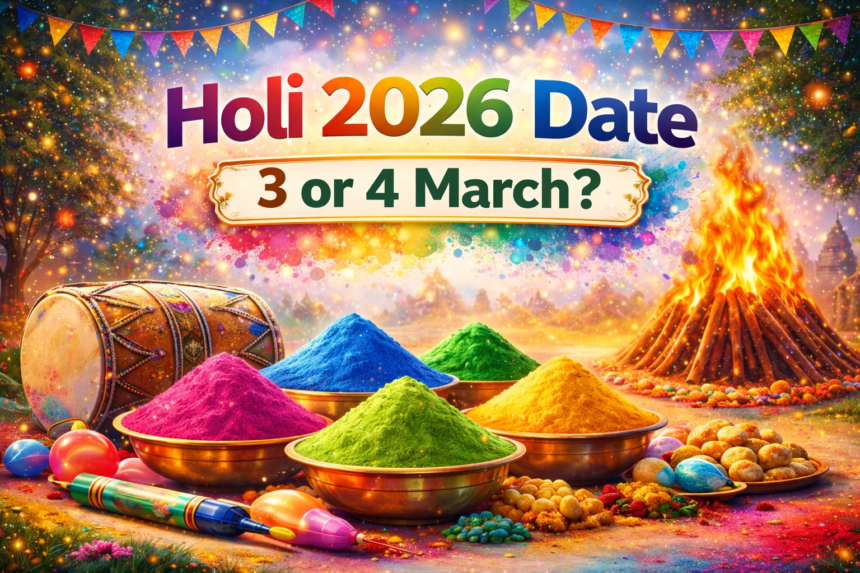
Holi 2026 date, Holi is one of those festivals that you can literally feel in the air—bright colours flying, laughter echoing through the streets, and the irresistible smell of gujiyas and festive delicacies. But every year, one question always pops up: “When exactly is Holi?”
For Holi 2026, many people are confused between March 3 and March 4. So let’s clear that up, explore the correct date and timings, and dive into the beautiful stories and meanings behind this festival of colours. Many people are also searching specifically for the Holika Dahan 2026 date to confirm when the sacred bonfire ritual will be performed.
Holi 2026: Exact Date and Main Events
First things first—what’s happening on which day?
According to the Hindu calendar and as per Drik Panchang, Holi in 2026 will be celebrated over two days:
-
Holika Dahan: March 3, 2026
-
Rangwali Holi (playing with colours): March 4, 2026
So no more confusion—March 3 is for the sacred bonfire, and March 4 is when you bring out the colours and let the celebrations explode.
Holi 2026: Purnima Tithi and Auspicious Timings
Holi 2026 date, The date of Holi is decided based on the Purnima Tithi (full moon) of the Phalguna month in the Hindu lunar calendar.
For 2026, the timings are:
-
Purnima Tithi begins: 05:55 PM on March 2, 2026
-
Purnima Tithi ends: 05:07 PM on March 3, 2026
Holika Dahan is usually performed during the evening of Purnima Tithi, after sunset and during the appropriate muhurat. In 2026, that falls on March 3. That’s why Holika Dahan is on March 3, and the colour-filled Holi celebrations are on March 4.
Think of it as a two-part story: the first night symbolises burning negativity, and the next day celebrates new beginnings with colour and joy.
Why Is Holi So Important in Hindu Culture?
Holi is not just about colours and fun; it carries deep spiritual and cultural significance. It combines:
-
The victory of good over evil
-
The celebration of divine love
-
The change of seasons—from winter to spring
-
The breaking down of social barriers
In many ways, Holi is like hitting the reset button—on grudges, ego, and distance between people.
The Theme of Good vs Evil: The Story of Holika and Prahlad
One of the most powerful legends behind Holi is the story of Prahlad and Holika.
According to Hindu mythology:
-
Hiranyakashipu, a demon king, wanted everyone to worship him instead of God.
-
His son, Prahlad, was a devotee of Lord Vishnu and refused to obey his father.
-
Enraged, Hiranyakashipu tried many ways to kill Prahlad but failed.
-
Finally, he took help from his sister Holika, who had a boon that made her immune to fire.
-
Holika sat in a blazing fire with Prahlad on her lap, believing she would survive and he would burn.
-
But divine intervention reversed the plan—Prahlad was saved, and Holika was burnt to ashes.
This is why we light the Holika Dahan bonfire: to symbolise the destruction of arrogance and evil, and the protection of true devotion and goodness. It’s a dramatic reminder that no matter how strong evil appears, it can’t outlast faith and truth.
Holi and the Divine Love of Radha and Krishna
Holi 2026 date, Holi is also deeply connected with the playful and divine love between Lord Krishna and Radha.
Here’s the popular story:
-
Young Krishna had a dark complexion, and he often wondered if fair-skinned Radha would accept him.
-
Feeling insecure, he went to his mother, Yashoda, with his worry.
-
She playfully suggested he apply colour to Radha’s face and see how her fairness and his darkness blend into one.
-
Krishna did just that, colouring Radha’s face—and from then on, colours became a symbol of love beyond appearance.
This charming story is one reason why Holi is celebrated with such grandeur in Mathura and Vrindavan, the lands associated with Krishna’s childhood and youth. The colours are not just fun; they’re a metaphor for dissolving differences—whether of skin, status, or ego.
Holi as a Festival of Unity and Togetherness
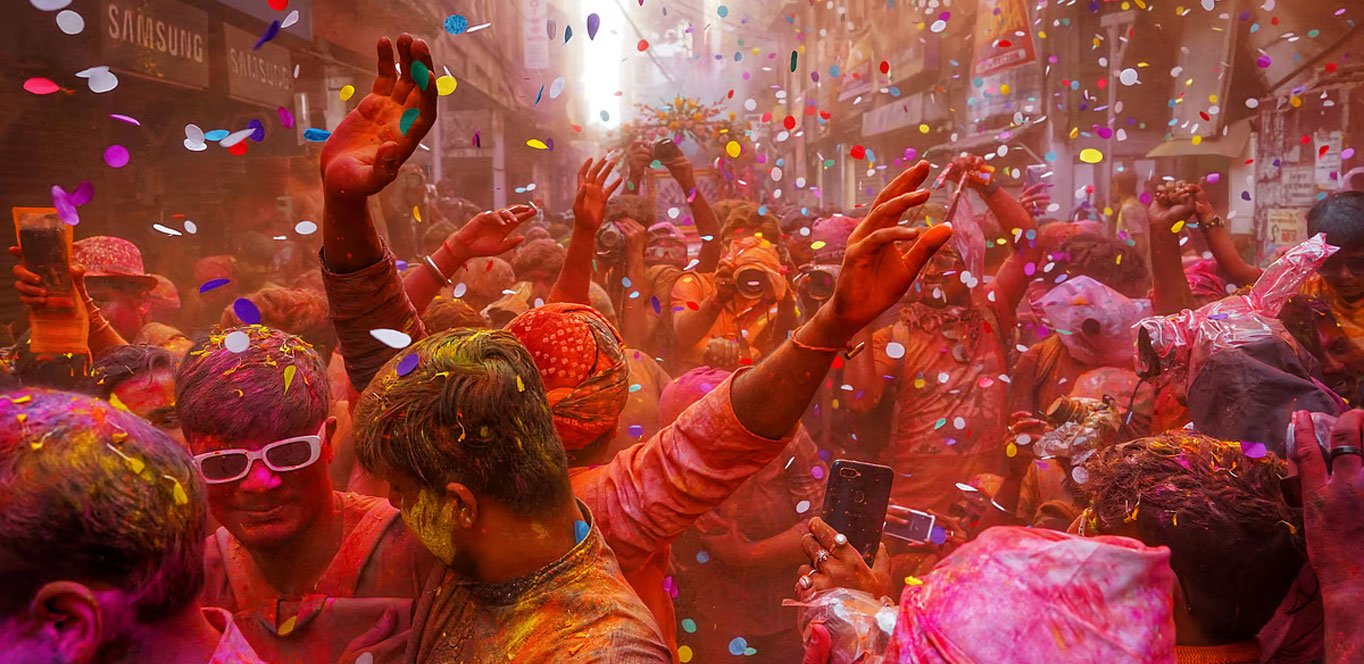
If there’s one festival that doesn’t care who you are, it’s Holi. Once the colours come out, everyone looks the same.
On Holi:
-
Friends, families, neighbours, and even strangers come together.
-
People apply gulal on each other’s faces, hug, and often forget past misunderstandings.
-
Social hierarchies take a back seat—there’s a sense of equality in those clouds of colours.
In a way, Holi acts like a social reset. It’s a gentle nudge that says: “Let’s move on, forgive, and start fresh.”
The Arrival of Spring: Nature’s Own Celebration
Holi 2026 date, Holi also marks the seasonal transition. It symbolically ends winter and welcomes spring.
You’ll notice:
-
Flowers blooming as if nature is throwing its own colours.
-
Warmer, more pleasant days returning.
-
A general lift in mood and energy all around.
Just as trees shed their old leaves and sprout new ones, Holi encourages us to let go of old negativity and embrace fresh beginnings.
How Holi Is Celebrated: From Bonfire to Colours
Holi celebrations typically unfold in two main stages:
-
Holika Dahan (March 3, 2026)
-
A large bonfire is lit in the evening.
-
People gather around, perform rituals, and pray for prosperity and protection from evil.
-
Some even walk around the fire or offer grains and other items into the flames.
-
-
Rangwali Holi (March 4, 2026)
-
The next day is all about colours, music, and joy.
-
People smear each other with dry colours and spray coloured water.
-
There’s dancing, singing, and of course, lots of food and sweets.
-
It’s like the festival narrates a story: first, burn away the darkness, then wake up to a world filled with colour.
Traditional Food and Sweets: Gujiya and Beyond
What’s a festival without food, right?
During Holi, kitchens come alive with:
-
Gujiya: the star of the show—crispy, sweet dumplings filled with khoya and dry fruits.
-
Thandai: a flavoured milk drink often enriched with spices and nuts.
-
Savoury snacks: namkeen, mathri, dahi vada, and more.
These dishes are more than just treats; they’re part of the memories we build—every Holi has its own flavour in the literal sense.
Modern Ways of Celebrating Holi 2026
Holi 2026 date, While the essence of Holi remains the same, the way people celebrate is evolving.
In 2026, you’ll likely see:
-
Skin-friendly and eco-friendly colours gaining popularity.
-
Themed Holi parties with music, dance, and dress codes.
-
People opting for organic gulal to avoid chemical-based colours.
-
Social media buzzing with Holi reels, photos, and creative content.
Despite these modern touches, the heart of the festival—joy, connection, and colour—stays unchanged.
Spiritual Lessons and Personal Reflection on Holi
Beyond the fun, Holi offers some powerful life lessons:
-
Burn your ego, just like Holika Dahan burns negativity.
-
Embrace differences, just as Krishna and Radha’s story teaches us.
-
Let colours remind you that life is meant to be lived in full vibrancy, not in shades of dullness.
-
Use the festival as a chance to forgive, reconnect, and restart relationships.
Think of Holi as an annual reminder: you can always repaint your life with better choices and brighter emotions.
Similar Articles: Top 10 Indian Culture and Tradition Guide
Conclusion
Holi 2026 date, To settle the confusion once and for all:
-
Holika Dahan in 2026 is on March 3.
-
Rangwali Holi, the main day of playing with colours, is on March 4.
With the Purnima Tithi running from 05:55 PM on March 2 to 05:07 PM on March 3, the rituals, stories, and celebrations all line up beautifully. Holi 2026 isn’t just another date on the calendar—it’s a celebration of lo ve, victory of good over evil, unity, and the joy of fresh beginnings.
As you gear up with colours, clothes, and sweets, remember the deeper meaning behind the festival. Let this Holi not only brighten your face, but also lighten your heart.