
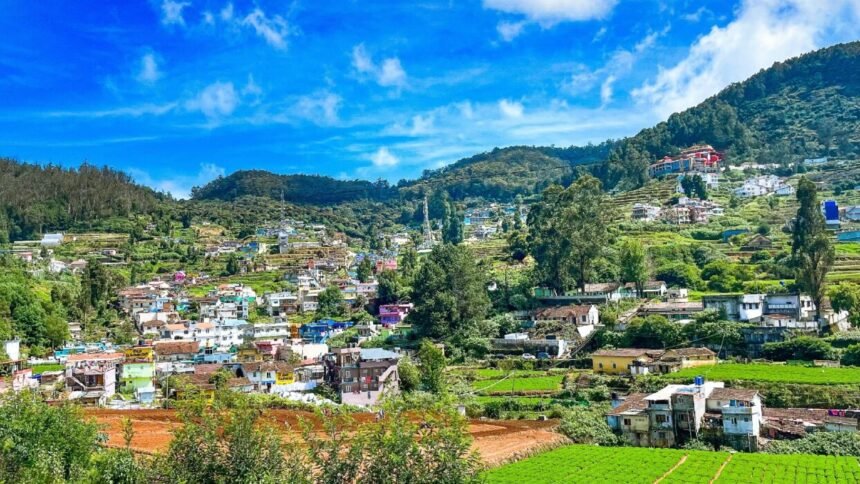
Hidden Hill Stations in India 2026, Every Indian who has booked a trip to Shimla in June or Manali in July knows the frustration of arriving at a hill station only to find endless traffic jams, overpriced hotels, overcrowded cafés, and streets packed tighter than a Mumbai local train during rush hour. The irony is impossible to ignore — people travel to the mountains to escape urban chaos, only to discover another version of it waiting for them.
Fortunately, India offers far more than its over-commercialised tourist hotspots.
From the lush coffee-covered hills of the Western Ghats to the snow-covered valleys of Uttarakhand and Himachal Pradesh, and from the untouched landscapes of Northeast India to the cool highlands of the Eastern Ghats, the country is filled with breathtaking hill destinations that remain surprisingly unexplored.
This 2026 guide focuses on hidden hill stations and lesser-known mountain escapes that still offer what travellers actually seek — silence, natural beauty, clean air, affordable stays, scenic landscapes, and genuine local experiences.
Uttarakhand’s Hidden Himalayan Escapes
Chopta: The Mini Switzerland of India
Located at an altitude of around 2,680 metres in Uttarakhand’s Rudraprayag district, Chopta is one of the most beautiful yet underrated destinations in the Indian Himalayas. Surrounded by dense forests and alpine meadows, this tiny mountain settlement serves as the base for the famous Tungnath Temple trek — home to the world’s highest Shiva temple — and the Chandrashila summit trek.
What makes Chopta extraordinary is the uninterrupted panoramic view of the Himalayan ranges. On clear mornings, travellers can witness majestic peaks such as Trishul, Nanda Devi, Kedarnath, and Chaukhamba glowing in golden sunlight.
During summer 2026, the bugyals (high-altitude meadows) around Chopta transform into vast carpets of rhododendrons, green grasslands, and wildflowers. Meanwhile, winter converts the region into a snow-covered paradise ideal for peaceful mountain retreats.
Walking through these mist-covered meadows at sunrise is an unforgettable Himalayan experience.
Best Time to Visit
March to June and September to November
How to Reach
Drive from Rishikesh to Ukhimath, which takes approximately seven hours. From there, Chopta is around 13 kilometres away via mountain roads.
Accommodation
Simple guesthouses, eco-camps, and tented stays are available. However, advance booking is highly recommended during peak travel months.
Don’t Miss
The Tungnath-Chandrashila trek, an 8-kilometre round-trip journey that can comfortably be completed within a single day.
Himachal Pradesh Beyond Manali
Tirthan Valley: Himachal’s Best-Kept Secret
Hidden Hill Stations in India 2026, located in Himachal Pradesh’s Kullu district, follows the crystal-clear Tirthan River through thick forests of pine, oak, and deodar trees. Unlike the crowded Kullu-Manali tourism belt, Tirthan Valley has intentionally preserved its low-impact tourism culture.
As a result, visitors will not find giant hotel chains, noisy nightlife, or overcrowded sightseeing points here. Instead, the valley offers something increasingly rare in Indian tourism — peace.
The region is known for its clean mountain air, rivers filled with brown trout, dense forest trails, charming villages, and warm hospitality from local Himachali families. Additionally, the valley borders the Great Himalayan National Park, a UNESCO World Heritage Site famous for its biodiversity and trekking routes.
For travellers seeking slow travel and nature immersion, Tirthan Valley is one of the finest choices in India for 2026.
Best Time to Visit
March to June and September to October
How to Reach
Take a Volvo bus from Delhi to Kullu, which takes approximately 12 hours. From Kullu, shared taxis are available to Banjar and Tirthan Valley.
Activities
- Trout fishing
- Trekking in the Great Himalayan National Park
- Riverside camping
- Forest walks
- Village exploration
Stay Options
Eco-lodges, riverside cottages, and heritage homestays run by local families.
Western Ghats: South India’s Coolest Escapes
Coorg (Kodagu), Karnataka: India’s Scotland
Coorg, also known as Kodagu, remains one of South India’s most enchanting hill destinations. Covered with coffee plantations, spice estates, forests, and misty hills, Coorg offers a sensory experience unlike anywhere else in the country.
The aroma of fresh coffee beans drying in plantation estates, the sight of fog drifting through forests, and the sound of insects and birds after sunset create a deeply calming atmosphere.
At the heart of Coorg lies the rich culture of the Kodava community, known for its hospitality, martial traditions, and distinctive cuisine.
Unlike crowded commercial hill stations, Coorg still retains much of its natural charm and slower pace of life.
Best Time to Visit
October to March
Major Attractions
- Abbey Falls
- Raja’s Seat
- Namdroling Monastery (Golden Temple)
- Coffee plantation tours
- Cauvery river viewpoints
How to Reach
Coorg is approximately 5–6 hours from Bengaluru by road. The nearest airport is Mangaluru, around three hours away.
Stay Experience
Plantation homestays and heritage estates remain the best way to experience Coorg authentically.
Munnar, Kerala: Tea Country at Its Finest
Although Munnar is relatively well known, it remains far less chaotic than destinations such as Ooty and Kodaikanal during peak tourist season.
Located in Kerala’s Western Ghats, Munnar is famous for its rolling tea plantations, cool weather, mist-covered valleys, and breathtaking mountain scenery. The region’s endless green hills create one of the most visually stunning landscapes in India.
The area also includes Anamudi Peak, the highest mountain in South India, along with rare biodiversity found in Eravikulam National Park.
If you visit during the flowering cycle of the Neelakurinji flowers, the hillsides transform into spectacular shades of blue and purple — an event that attracts nature lovers from around the world.
Best Time to Visit
September to March
Must-Visit Attractions
- Mattupetty Dam
- Eravikulam National Park
- Top Station
- Tea Museum
- Echo Point
How to Reach
Munnar is approximately four hours by road from Kochi International Airport through scenic Western Ghats highways.
Northeast India: The Most Underrated Mountain Region
Dzukou Valley, Nagaland: The Valley of Flowers of the East
Hidden Hill Stations in India 2026, located along the border of Nagaland and Manipur, is one of India’s most spectacular hidden natural destinations. Sitting at an altitude of around 2,452 metres, the valley is famous for its rolling grasslands and seasonal wildflowers.
Among them is the rare Dzukou Lily, a flower found nowhere else in the world.
Because reaching the valley requires a 6–8 kilometre trek from the trailhead near Kohima, tourist crowds remain relatively small. However, the effort rewards travellers with extraordinary silence, untouched wilderness, and dramatic landscapes rarely seen elsewhere in India.
During the monsoon season, the valley bursts into colour with blooming flowers. In winter, sections of the landscape become covered in snow.
Best Time to Visit
June to September for flowers and November to March for snow views
How to Reach
Fly to Dimapur, then drive approximately three hours to Kohima before beginning the trek.
Important Travel Note
An Inner Line Permit (ILP) is required for non-residents visiting Nagaland.
Haflong, Assam: The Switzerland of the East
Haflong is Assam’s only hill station and one of Northeast India’s least explored travel destinations. Located in the Dima Hasao district at an altitude of approximately 680 metres, Haflong offers rolling hills, lakes, forests, and cool weather throughout much of the year.
Unlike heavily commercialised tourist destinations, Haflong still feels authentic and relaxed.
The region is especially known for its cultural diversity. Communities including the Dimasa, Zeme Naga, Kuki, Hmar, and Bengali populations contribute to a rich and welcoming local culture.
Haflong Lake, surrounded by misty hills, remains one of the town’s most peaceful attractions.
Best Time to Visit
October to April
Major Attractions
- Haflong Lake
- Jatinga Valley
- Hill viewpoints
- Tribal cultural experiences
How to Reach
Haflong is accessible via train and road from Guwahati.
Eastern Ghats: Andhra Pradesh’s Hidden Gem
Araku Valley, Andhra Pradesh: Coffee, Waterfalls and Tribal Culture
Araku Valley in Andhra Pradesh’s Visakhapatnam district is one of India’s most underrated travel destinations. Surrounded by green hills, waterfalls, coffee plantations, and tribal villages, the valley offers a refreshing alternative to crowded commercial hill stations.
However, the biggest highlight is the Visakhapatnam-to-Araku train journey itself.
The route passes through 84 tunnels, bridges, forests, and dramatic mountain landscapes, making it one of the most scenic railway journeys in India.
The valley is also known for its organic coffee production and indigenous tribal culture, both of which create a travel experience very different from mainstream hill tourism.
Best Time to Visit
October to March
How to Reach
Take the scenic train from Visakhapatnam to Araku, which takes approximately five hours. Alternatively, the road journey takes around three hours.
Must-Visit Attractions
- Borra Caves
- Katiki Waterfalls
- Tribal Museum
- Coffee plantations
- Local crafts markets
Highlight
Hidden Hill Stations in India 2026, Borra Caves are among India’s deepest and most fascinating natural cave systems.
Essential Travel Tips for Hill Station Trips in 2026
Book Accommodation Early
Even lesser-known hill stations become crowded during long weekends and school holidays. Therefore, booking accommodation at least 2–3 weeks in advance is strongly recommended.
Prefer Weekday Travel
Hill stations located within driving distance of major metros become extremely crowded on weekends. Travelling during weekdays offers a quieter and more relaxed experience.
Hire Local Guides
For trekking and forest exploration, local guides improve safety, help travellers understand the terrain, and contribute directly to the regional economy.
Carry Layered Clothing
Mountain weather changes rapidly. In many hill stations, day and night temperatures can vary by 15–20°C.
Be Careful During Monsoon Travel
Landslides and road closures are common in Himalayan regions during heavy rains. Always check road and weather conditions before departure.
Respect Local Culture and Environment
Carry reusable water bottles, avoid littering, minimise plastic use, and maintain silence in forest areas to protect fragile mountain ecosystems.
Read More: Can You Sleep on a Private Jet? The Ultimate Guide to Comfort and Rest in Luxury Air Travel
Conclusion
Hidden Hill Stations in India 2026, India’s greatest mountain experiences are no longer found in overcrowded destinations like Shimla, Manali, Mussoorie, Ooty, or Darjeeling. Instead, they survive in quieter valleys, remote forests, hidden meadows, and lesser-known mountain towns that still preserve their natural beauty and local culture.
The destinations featured in this 2026 guide offer everything travellers truly seek from a hill station holiday — cool weather, breathtaking scenery, fresh air, peaceful surroundings, and meaningful connection with nature — without overwhelming crowds or inflated tourist prices.
With better planning and a willingness to explore beyond the famous names, travellers in 2026 can still discover the authentic magic of mountain India.