
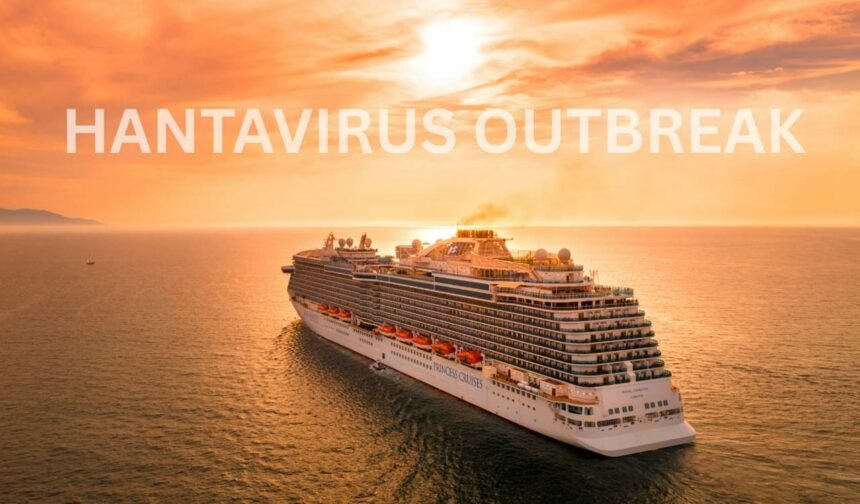
Hantavirus, A recent health alert from the World Health Organization put hantavirus in the spotlight after three passengers died aboard the MV Hondius, a polar expedition cruise traveling between Argentina and Cape Verde.
At least one confirmed case landed a patient in intensive care in South Africa. Two victims were reportedly a Dutch couple. The incident raised eyebrows because hantavirus outbreaks are extremely rare, especially in such settings.
So what happened here? And more importantly—what is this virus?
What Exactly Is Hantavirus?
Hantavirus isn’t just one virus—it’s a whole group of viruses, scientifically known as orthohantaviruses. These viruses primarily live in rodents but can occasionally jump to humans.
Think of rodents as “silent carriers.” They don’t usually get sick themselves, but they can spread the virus through:
- Urine
- Droppings
- Saliva
When humans come into contact with these—especially in enclosed or dusty spaces—the risk begins.
How Do Humans Catch It?
Here’s the key point: hantavirus is not like flu or COVID-19. It doesn’t typically spread through casual human contact.
Instead, infection happens when you:
- Breathe in contaminated dust
- Touch surfaces with rodent waste
- Get bitten or scratched (rare)
Picture sweeping an old attic filled with rodent droppings—that’s a classic risk scenario.
Who Is Most at Risk?
Certain groups face higher exposure:
- Farmers and agricultural workers
- Campers and hikers
- People in rural or poorly ventilated housing
Why? Because they’re more likely to encounter infected rodents or contaminated environments.
Two Types of Hantavirus: Old World vs New World
Let’s break this down simply.
Old World Hantaviruses (Europe & Asia)
These typically cause a condition called haemorrhagic fever with renal syndrome (HFRS).
Symptoms include:
- Severe headaches
- Abdominal and back pain
- Fever
- Kidney complications
Mortality rates range between 1% and 15%.
New World Hantaviruses (Americas)
These are far more dangerous and cause hantavirus pulmonary syndrome (HPS).
The most notable strain? The Andes virus.
Symptoms escalate quickly:
- Fever and fatigue
- Muscle aches
- Severe breathing difficulty
- Lung failure
Fatality rates can reach around 40%, making this form particularly alarming.
Why Is Early Detection So Difficult?
Here’s the tricky part: early symptoms look like the flu.
You might feel:
- Tired
- Feverish
- Achy
Nothing screams “life-threatening virus,” right?
That’s exactly why hantavirus can slip under the radar until it becomes severe.
The Long Incubation Period: A Hidden Threat
Hantavirus doesn’t act immediately. It can take 1 to 8 weeks after exposure before symptoms appear.
That delay creates confusion:
- People may not remember where they were exposed
- Outbreak origins become harder to trace
In the cruise ship case, this raises a big question—did the infection actually start on board?
What Caused the Cruise Ship Outbreak?
Experts suggest three possible scenarios:
1. Rodents on the Ship
If infected rodents entered storage or cabin areas, contamination could occur.
2. Exposure During Shore Visits
Passengers may have been exposed during land excursions before boarding.
3. Human-to-Human Transmission (Unlikely)
Some rare cases—particularly involving the Andes strain—suggest limited human spread, but evidence is weak.
Bottom line? The first two explanations are far more plausible.
Is Hantavirus Contagious Between People?
Short answer: almost never.
Unlike airborne viruses, hantavirus doesn’t typically spread from person to person. The exception is rare cases involving the Andes virus in South America—but even there, it’s not common.
So sitting next to someone infected? Not usually a risk.
How Dangerous Is It, Really?
This depends on the strain:
- Old World types: Lower fatality (1–15%)
- New World types: Much higher fatality (~40%)
The biggest danger comes from delayed diagnosis and rapid progression in severe cases.
Is There a Cure or Treatment?
Here’s the tough reality: there’s no specific antiviral cure that reliably works yet.
Treatment focuses on supportive care, such as:
- Oxygen therapy
- Fluid management
- Blood pressure stabilization
- Mechanical ventilation (in severe cases)
Early medical intervention dramatically improves survival chances.
Real-World Case That Highlighted the Risk
In 2025, hantavirus made headlines when Betsy Arakawa, wife of Gene Hackman, died from hantavirus pulmonary syndrome in Santa Fe.
The case underscored how unpredictable—and deadly—this virus can be, even outside large outbreaks.
How Can You Protect Yourself?
Prevention is surprisingly straightforward:
- Avoid contact with rodents and their droppings
- Ventilate closed spaces before cleaning
- Use masks and gloves in dusty environments
- Store food securely
It’s less about panic—and more about awareness.
Why This Outbreak Matters
The cruise ship incident isn’t just a rare tragedy—it’s a reminder.
In a world focused on major pandemics, smaller zoonotic diseases (those jumping from animals to humans) still pose real risks.
And because hantavirus is rare, it’s often overlooked until it’s too late.
Read More: Nipah Virus Outbreak: Early Symptoms, High Fatality Risk and Why Detection Matters