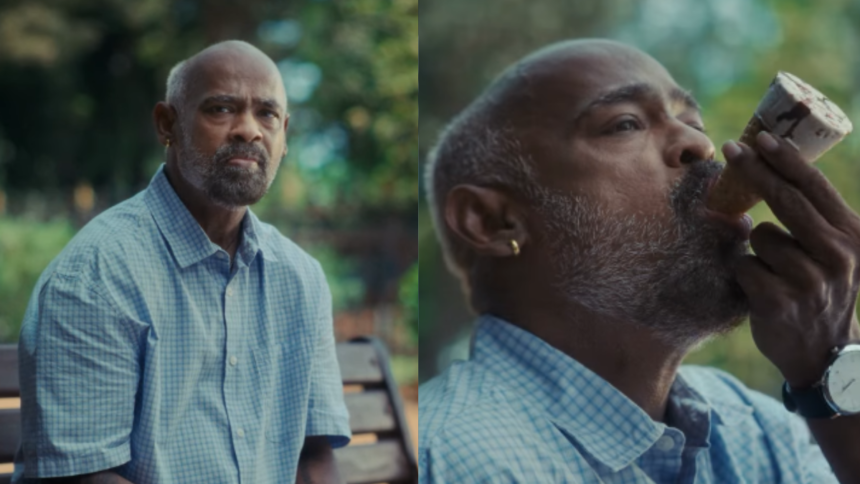
Vinod Kambli Ice Cream Ad, When a public figure makes a return after hardship, it usually invites applause. But what happens when that comeback becomes part of a marketing campaign? That’s exactly what unfolded with a recent ice cream advertisement featuring former Indian cricketer Vinod Kambli. What was meant to be a heartfelt celebration of resilience quickly spiraled into a heated online debate.
The campaign, created by Dinshaw’s, attempted to blend nostalgia, emotion, and inspiration. But instead of universal praise, it triggered mixed reactions—some applauding the message, others questioning its sensitivity.
This growing Vinod Kambli ad controversy highlights how even well-intended campaigns can divide public opinion when real-life struggles are used in marketing narratives.
Let’s unpack what really happened, why people are divided, and what this says about modern advertising.
The Concept Behind the Campaign
At its core, the advertisement aimed to tell a simple story: life doesn’t always give you everything you deserve—but sometimes, small joys can make up for it.
The visual metaphor? An ice cream cone with an extra-large chocolate tip. The message? Those who’ve received “a little less” in life deserve “a little more.”
Sounds poetic, right?
The ad uses a cricket-themed backdrop, leaning heavily on nostalgia—reminding viewers of Kambli’s early promise and his emotional journey. It positions his return to public life as symbolic of resilience, perseverance, and quiet strength.
Why Vinod Kambli Was Chosen
Vinod Kambli Ice Cream Ad, Choosing Kambli wasn’t random. His life story reads like a dramatic script—meteoric rise, sudden fall, and a long, difficult road back.
Once considered one of India’s most promising cricketers, Kambli’s career was filled with both brilliance and turbulence. Over the years, his struggles—whether professional setbacks, financial issues, or health concerns—have been widely documented.
So from a storytelling perspective, he fits perfectly into a “comeback narrative.” But here’s the catch: real-life stories aren’t just narratives—they carry emotional weight.
The Emotional Core of the Advertisement
The ad tries to tap into something deeply human: empathy.
It nudges viewers to think—haven’t we all felt shortchanged at some point? Haven’t we all wished for just a little extra?
By tying that universal emotion to Kambli’s journey, the brand attempted to create a connection between personal struggle and everyday indulgence.
But this is where things started to get complicated.
Where the Audience Felt Disconnected
Vinod Kambli Ice Cream Ad, While the intention might have been noble, many viewers felt the execution missed the mark.
Critics argued that the ad reduced Kambli’s complex life story into a simplified metaphor. Imagine compressing decades of highs, lows, and personal battles into… an ice cream topping.
That contrast didn’t sit well with everyone.
Some viewers pointed out that the campaign leaned more toward sympathy than genuine empathy. Instead of honoring Kambli’s resilience, they felt it used his struggles as a marketing tool.
Sympathy vs. Empathy: A Fine Line
Here’s a question worth asking: when does storytelling cross the line into exploitation?
Empathy invites understanding. Sympathy, on the other hand, can sometimes feel like pity.
Many critics felt the ad unintentionally slipped into the latter. By linking Kambli’s life challenges to a consumer product, the campaign risked trivializing experiences that are anything but trivial.
It’s like comparing a storm to a drizzle—technically both involve rain, but the scale matters.
The Role of Social Media in Amplifying Reactions
If this ad had aired a decade ago, the reaction might have been quieter. But in today’s digital world, every campaign faces instant scrutiny.
Social media users didn’t hold back. Platforms quickly filled with opinions, ranging from appreciation to outright criticism.
Some praised the ad’s emotional angle and positive messaging. Others called it tone-deaf and insensitive.
The divide was sharp—and very public.
The Brand’s Defense: A Positive Intent
Despite the backlash, the creators of the campaign stood firm.
Gunjan Gaba, a creative lead associated with the project, emphasized that the intention was always positive. According to him, the overwhelming majority of viewers appreciated the campaign.
He pointed out that in a democratic space, differing opinions are inevitable. Not everyone will interpret a message the same way—and that’s okay.
From the brand’s perspective, the ad was about celebrating resilience, not exploiting it.
Why Real-Life Stories Are Risky in Advertising
Vinod Kambli Ice Cream Ad—especially those with widely known personal struggles—is a double-edged sword.
On one hand, it adds authenticity. On the other, it raises expectations for sensitivity and accuracy.
Audiences today are more aware, more critical, and less forgiving of perceived insincerity. If a campaign feels even slightly off, it can quickly backfire.
Think of it like walking a tightrope—one misstep, and the fall is immediate.
The Bigger Question: Should Brands Use Personal Struggles at All?
This controversy raises a broader issue: should brands tap into personal hardships to sell products?
There’s no easy answer.
When done right, such storytelling can inspire and uplift. When done poorly, it can feel exploitative.
The key lies in balance—respecting the individual’s story while ensuring the message doesn’t dilute its significance.
Public Perception vs. Creative Vision
Vinod Kambli Ice Cream Ad, What creators intend and what audiences perceive are often two different things.
The ad’s creators likely saw it as a tribute. But for some viewers, it came across as a mismatch between message and medium.
This gap between intention and interpretation is where most controversies are born.
It’s a reminder that storytelling isn’t just about what you say—it’s about how it’s receive.
Lessons for Brands Moving Forward
So, what can brands learn from this?
- Authenticity matters more than ever
- Context is everything
- Audience sensitivity should never be underestimate
- Real stories require real responsibility
In short, if you’re going to tell a human story, treat it with the depth it deserves.
Read More: Rishabh Pant IPL 2026 Struggles Raise Questions Over His India T20I Future
Conclusion
Vinod Kambli Ice Cream Ad, The Dinshaw’s campaign featuring Vinod Kambli became more than just an advertisement—it turned into a reflection of how audiences interpret intent versus impact. Was it a genuine tribute to resilience or a misstep in emotional marketing? Opinions remain divided. What’s undeniable, though, is that modern viewers demand more than creative storytelling—they expect sensitivity, depth, and authenticity. This episode highlights a larger truth: when real-life experiences are woven into brand narratives, they carry a weight that goes beyond promotion. They require responsibility. And that’s the real takeaway here—emotion can be powerful in storytelling, but only when it’s handled with honesty and care.
Author at TazaNewsz covering Gujarat tech, Dholera Semiconductor Fab, GIFT City and startup ecosystem. Based in Ahmedabad. | View all posts