
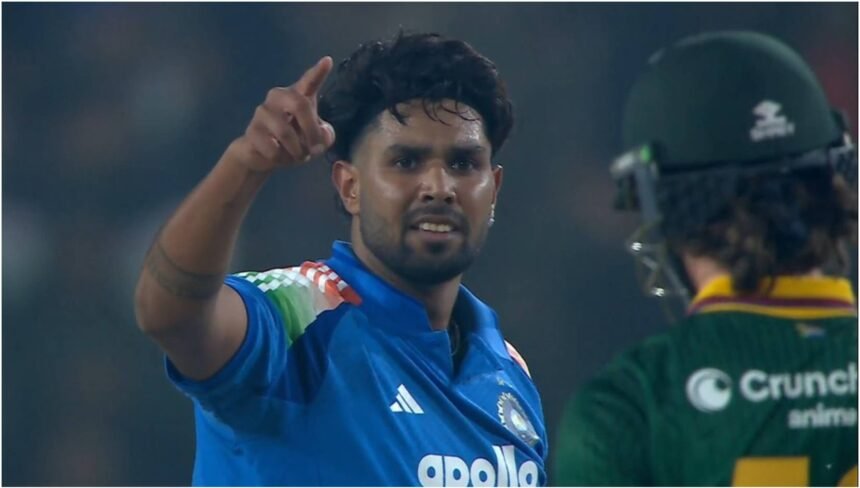
Cricket isnt just a game of runs, wickets, and scoreboards. Its also a sport built on emotions, passion, adrenaline, and yes sometimes heated moments. One such incident took centerstage during Indias opening ODI against South Africa in Ranchi, where young Indian pacer Harshit Rana found himself in the headlines for reasons beyond his match-winning performance. This moment quickly turned into a talking point, now widely referred to as the Harshit Rana send-off controversy .
The 23-year-old fast bowler, known for his fiery energy, crossed a line during his celebratory send-off of Dewald Brevis, earning a reprimand from the International Cricket Council (ICC). This Harshit Rana ICC Reprimand became one of the biggest highlights of the match. So, what exactly happened? Why was Rana charged? And what does this mean for India as the series progresses?
Lets break it down.
Harshit Ranas ICC Reprimand: What Sparked the Issue?
The controversy erupted during Indias 17-run victory over South Africa in the first ODI in Ranchi. Rana, who had been bowling with sharp intent, dismissed rising Proteas star Dewald Brevis in the 22nd over. What should have been a standard celebration, however, quickly escalated.
Rana turned toward the dressing room and made a pointed gesture one that officials deemed provocative and against the spirit of the game. While cricket thrives on raw emotions, the ICC maintains strict boundaries around player conduct.
The match officials immediately took note, and Ranas enthusiastic send-off became a disciplinary flashpoint.
Which ICC Rule Did Rana Violate?
The ICC Code of Conduct is crystal clear when it comes to player behavior. Ranas action fell under Article 2.5, a clause addressing:
Language, actions, or gestures which disparage or which could provoke an aggressive reaction from a batter upon dismissal.
In simpler terms, if a bowlers celebration is likely to spark unnecessary aggression or humiliation, its a violation.
Ranas gesture ticked that box.
The Sanction: What Punishment Did ICC Hand Out?
Because the act was deemed a Level 1 offence, Rana received:
-
An official reprimand
-
One demerit point
This is his first demerit point in the past 24 months and while a single point doesnt carry major consequences, four demerit points within two years can lead to suspension.
Thankfully for Rana, he accepted the charge immediately. Match referee Richie Richardson proposed the sanction, and since Rana did not contest it, no formal hearing was needed.
Why Didnt Rana Contest the Charge?
Harshit Rana ICC Reprimand, For a young pacer early in his international career, contesting an ICC charge can prolong scrutiny and potentially increase penalties. Ranas prompt acceptance:
-
Avoided unnecessary procedural delays
-
Showed accountability
-
Helped him and the team move on quickly
It was a smart move especially given Indias tight schedule in the ongoing series.
How Did the Incident Impact Indias Momentum?
Interestingly, the reprimand didnt appear to affect Indias morale. The team remained laser-focused as they traveled to Raipur for the second ODI. The management stuck with a completely unchanged XI, signaling strong confidence in their young squad.
Rana, too, stayed in good spirits, continuing full training sessions. The dressing room reportedly treated the incident as a learning curve rather than a setback.
South Africa Shake Things Up for the Second ODI
While India chose stability, South Africa opted for changes.
Captain Temba Bavuma, returning to the side, won the toss and chose to bowl a decision that extended Indias bizarre streak of 20 consecutive toss losses in ODIs. Yes, twenty!
The South Africans introduced:
-
Temba Bavuma (captain, returning)
-
Keshav Maharaj (spin option)
-
Lungi Ngidi (pace reinforcement)
These changes highlighted their plan to counter Indias batting firepower and make the most of Raipurs bowling-friendly conditions.
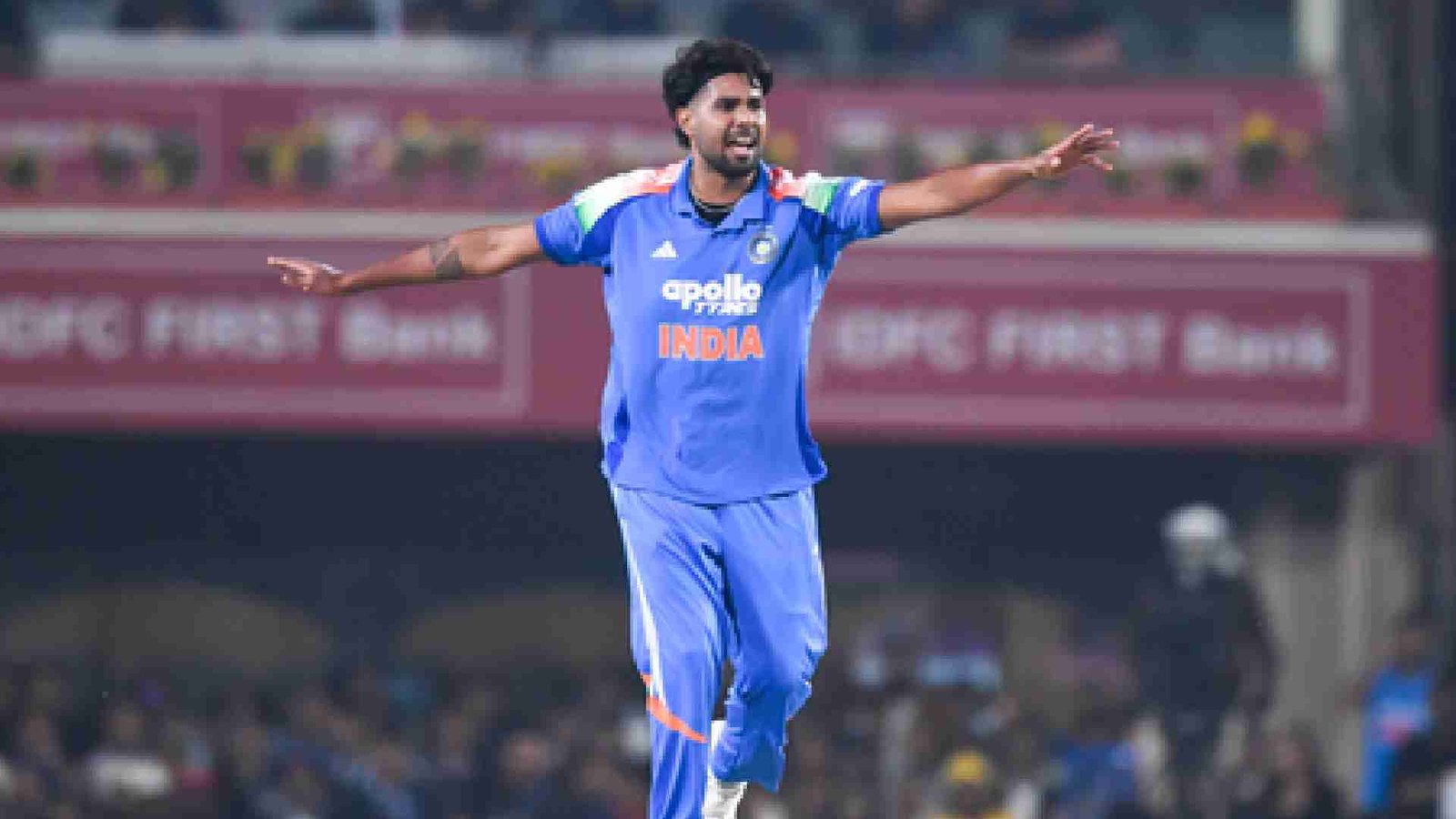
Why Send-Off Celebrations Often Trigger ICC Attention
Cricket has shifted dramatically over the years. Celebrations have become louder, more expressive, and sometimes theatrical. And while fans love the entertainment, the ICC insists on maintaining the sports decorum.
Typical behaviors that attract penalties include:
-
Aggressive face-offs
-
Mocking gestures
-
Excessive sledging
-
Physical intimidation
Even something as simple as walking too close to a batter after a dismissal can raise eyebrows.
In Ranas case, the gesture toward the dressing room crossed a line not blatantly aggressive, but provocative enough to justify action.
Is the Punishment Too Harsh? A Debate Among Fans
A large section of Indian fans felt the punishment was unnecessary. After all, cricket thrives on passion. Many argued:
-
Rana was just pumped up
-
There was no verbal sledging
-
Brevis didnt seem offended
Others countered that rules are rules, and the ICC must enforce them consistently.
As is often the case in cricket, perspectives vary.
What This Means for Harshit Rana Going Forward
A reprimand isnt the end of the world especially for a fiery young fast bowler. If anything, its a reminder of the thin line between passion and misconduct.
For Rana, this incident could:
-
Shape his maturity as an international bowler
-
Help him channel aggression more strategically
-
Prepare him for future high-pressure situations
Players like Kagiso Rabada, Jasprit Bumrah, and Mitchell Starc have also faced similar sanctions early in their careers and went on to become world-class.
Indias Focus: Sealing the Series in Raipur
While the controversy caught headlines, Indias primary goal remained simple win the second ODI and secure the series.
The teams strategy moving forward:
-
Back their young players
-
Maintain bowling discipline
-
Avoid unnecessary distractions
-
Keep momentum ahead of the upcoming fixtures
With South Africa making tactical adjustments, the second ODI promised to be tense, competitive, and full of narratives.
Read More: Shock in Cricket: Virat Kohli and Rohit Sharma Vanish From ICC ODI Rankings!
Conclusion
Harshit Rana ICC Reprimand may have sparked debates, but at its core, it serves as a gentle reminder of the balance cricket demands emotion with discipline, passion with poise. While the send-off was avoidable, the incident doesnt overshadow the young bowlers potential or Indias strong performance.
As India marches into Raipur aiming to clinch the series, the takeaway is clear: learn, adapt, and move forward.