
Introduction: The Shockwaves of Operation Sindoor
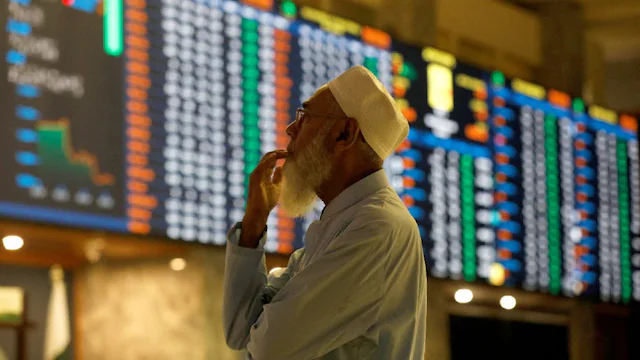
KSE 100, Talk about a wake-up callPakistans stock market was thrown into chaos after India launched overnight airstrikes on terror camps within Pakistan and Pakistan-occupied Kashmir (PoK). The dramatic move, dubbed Operation Sindoor, wasnt just a military responseit triggered a financial bloodbath across Pakistans trading floors.
In a matter of hours, the KSE 100 indexPakistans key market benchmarktook a nosedive, shedding over 6,000 points in early trade. Lets break down what went down, why it matters, and how both countries are feeling the aftershocks, financially and politically.
<î<ó The Catalyst: Indias Operation Sindoor
So, what kicked off this market meltdown? In response to the Pahalgam terror attack on April 22 that killed 26 Indian tourists, India launched precision air strikes on nine terrorist hideouts across Pakistan and PoK.
The Indian Army confirmed the operation in the early hours of Wednesday, posting boldly on X (formerly Twitter): Justice is served. Jai Hind! The strikes reportedly targeted key infrastructure belonging to Jaish-e-Mohammed (JeM), Lashkar-e-Taiba (LeT), and Hizbul Mujahideen (HM)groups long suspected of operating with impunity within Pakistans borders.
Market Panic: The KSE 100 Index Takes a Beating
Now heres where things got really intensePakistans KSE 100 index plummeted by a jaw-dropping 6,272 points, or 6%, in early trading. Imagine watching your savings or investments crash that fast!
This drop dragged the KSE 100 to a shocking 112,076.38, sparking panic selling across the board. It was clear that investors werent just reacting to military tensionsthey were terrified of what might come next.
PSX in Trouble: Pakistan Stock Exchange Goes Down
The situation got so bad that the Pakistan Stock Exchange (PSX) essentially went offline. No jokesthe PSX website even displayed a message saying it was “under maintenance until further notice.”
Whether it was too much traffic or intentional shutdown due to panic, one thing was clear: Pakistans financial system was in deep trouble.
Why Did Pakistans Markets Crash So Hard?
Lets keep it simple: fear and uncertainty. Markets absolutely hate them.
Indias Operation Sindoor wasnt just a military strikeit sent a loud message. By directly hitting terror infrastructure in PoK, India escalated tensions to a level not seen in years. Investors saw this and asked themselves, What if this leads to war? That single question caused massive sell-offs.
The KSE 100 index felt the full force of this uncertainty, with investors yanking out their money to avoid further losses.
How Did Indian Markets React?
Now, over on the Indian side, the mood was differentbut still nervous.
The Sensex, Indias benchmark index, hit an intra-day high of 80,844.63, but also dropped to 79,937.48. Similarly, the Nifty ranged between 24,449.60 and 24,220.00 during the day.
So while Indias markets were clearly shaken, the reaction was more measuredperhaps even patriotic. There wasnt a collapse, but a bit of a rollercoaster ride, which shows the psychological divide between the two nations’ investor bases.
What Is the KSE 100 Index, Anyway?
Lets pause for a second and talk about the KSE 100 index itself. Its the Karachi Stock Exchanges main index and includes the top 100 companies by market capitalization. Its essentially a snapshot of Pakistans economic health.
So when the KSE 100 crashes, its not just a technical glitchit reflects widespread panic, loss of investor confidence, and often deeper political or economic turmoil.
Targeted Terror Camps: The Focus of the Operation
The airstrikes focused on high-value terror sites connected to Jaish-e-Mohammed, Lashkar-e-Taiba, and Hizbul Mujahideen. These groups have been linked to countless attacks in India over the years.
According to the Indian Army, these locations were selected based on solid intelligence, including surveillance and communication intercepts. The message was clear: India will strike where it hurts the most.
Déjà Vu? Not Quite&
Some might remember the Balakot airstrikes from a few years back. This time, though, the scale and speed of Operation Sindoor suggest that Indias strategic posture has become bolder, more proactive, and surgical.
And that boldness didnt just shake military analystsit rattled Pakistans stockbrokers too.
Whats Next for the KSE 100 Index and Pakistans Economy?
Heres the million-dollar question: Is this a one-day crash or the start of a longer downward spiral?
If tensions remain high or escalate further, the KSE 100 index could keep sliding. Worse, foreign investors might start pulling out. That would create currency issues, push inflation higher, and lead to capital flightall of which would be catastrophic for an already fragile economy.
Global Reactions: Watching from the Sidelines
Global markets kept a close watch. While the ripple effect didnt immediately affect major exchanges like the NYSE or FTSE, international investors are nervous about escalation.
Any sign of further conflict between two nuclear-armed neighbors could trigger a geopolitical crisis, and no one wants that kind of volatility spilling into global portfolios.
Final Thoughts: A Market in Crisis or a Wake-Up Call?
The crash of the KSE 100 index following Indias Operation Sindoor serves as a stark reminder of how intertwined politics and markets really are. Its not just about stock pricesits about perception, fear, and national strategy.
For Pakistan, this may be a wake-up call. Whether or not it leads to policy reform, crackdowns on terror networks, or changes in military posture remains to be seen.
But one things clear: when bombs drop, markets reactand this time, the KSE 100 felt the blast more than anyone else.
Read More: Operation Sindoor: A Bold Mission Against Terror in Jammu and Kashmir
Conclusion
To sum it all up, Indias precision air strikes didnt just shake bunkersthey shook financial markets. The KSE 100 index fell hard and fast, and while things might stabilize, the economic tremors are far from over. For now, all eyes are on Islamabad and New Delhiand the brave investors still hanging on in Karachi.