
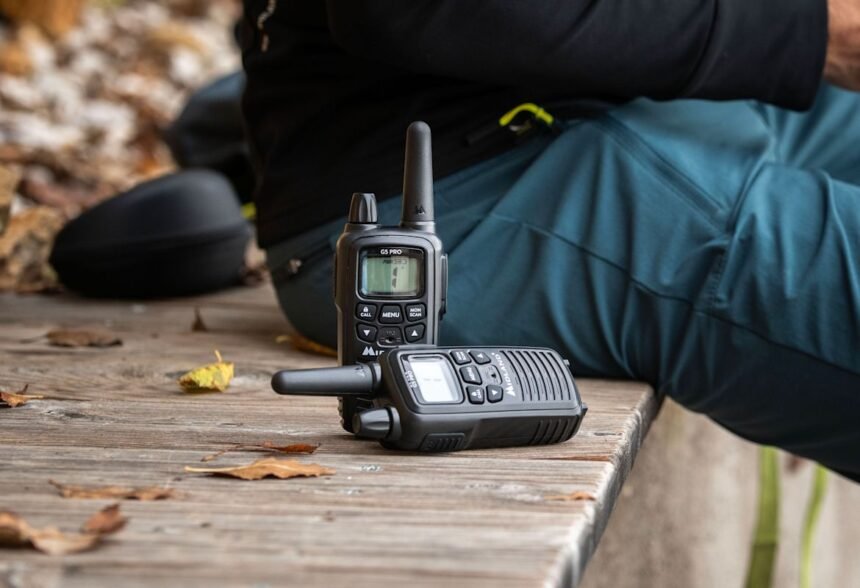
Walkie talkies might sound like something from the past a tool for scouts or adventure junkies but in India, theyre making a quiet but steady comeback. With walkie talkies legal in India for personal use under specific government-approved conditions , these devices have become increasingly popular when mobile networks fail, power cuts strike, or youre trekking deep into the mountains. In such situations, these handy little radios quickly become your best friend. But one question still keeps popping up among everyday users: are walkie talkies legal in India for personal use , and what rules do you need to follow?
Lets get into the details, bust some myths, and understand exactly what the law says so you can stay connected the right way.
Understanding the Legal Framework
Walkie talkies in India fall under some pretty old but still relevant laws the Indian Telegraph Act, 1885, and the Indian Wireless Telegraphy Act, 1933. Oversight of their use lies with the Wireless Planning & Coordination (WPC) Wing of the Ministry of Communications.
Dont let the old statutes scare you off. The good news is that India allows individuals to use certain walkie talkies without a license, as long as you play by the rules stay within permitted frequency bands and use approved, compliant devices.
License-Free Frequency Bands for Personal Use
So, which frequencies are actually legal for you to use? The government has designated two main license-free frequency bands for personal walkie talkie use:
-
446.0446.2 MHz (PMR Band)
-
865867 MHz (Unlicensed Band)
These bands allow low-power transmissions (usually up to 0.5 watts or 500 mW) and are designed for short-range communication. Devices using these frequencies typically have fixed antennas and are restricted to prevent interference with professional or governmental networks.
What Makes a Walkie Talkie Legal?
For personal users, legal walkie talkies are simply those that meet three main conditions:
-
They operate exclusively on approved license-free frequencies.
-
They have Equipment Type Approval (ETA) from the WPC.
-
They are not modified or altered to increase power or change frequency.
If your device checks all these boxes, you can use it freely no paperwork, no extra fees, no red tape.
Why the Restrictions Exist
Walkie Talkies for Personal Use in India, Think of Indias radio frequencies as invisible highways in the sky. If everyone could drive wherever they wanted, chaos would reign. The same goes for radio communication. These rules protect essential services aviation, defense, police, and commercial systems from interference caused by unauthorized signals.
So, while license-free walkie talkies might have limited range, theyre perfectly suited for everyday users and peace of mind that youre not stepping on anyones toes.
Common Mistakes to Avoid
Many beginners unknowingly break the rules. Heres what you should never do:
-
Dont use imported high-power radios from online sellers without Indian approval.
-
Dont try to modify or amplify your walkie talkie.
-
Dont broadcast beyond the allowed frequency range.
Violating these rules can lead to equipment confiscation, fines, or even prosecution under the Telegraph Act. The smart move is to always look for WPCapproved equipment clearly marked for Indian use.
Top Everyday Uses of Walkie Talkies in India
Walkie talkies arent just for security guards or mountaineers anymore. Heres how regular people use them daily:
1. Family Coordination
Perfect for large homes, apartments, or farmhouses. Avoid the hassle of calling every time a quick Dinners ready! over a walkie talkie does the trick.
2. Group Travel & Trekking
When youre exploring the hills of Himachal or road-tripping through Rajasthan, staying connected without mobile signal issues becomes a lifesaver.
3. Events & Weddings
For big Indian weddings, managing parking, catering, or guest movements with walkie talkies keeps things running smoothly without investing in pro-level systems.
4. Small Businesses & Security Teams
Shops, schools, construction sites, and warehouses all benefit from quick, short-range communication without monthly costs.
These are simple, effective, and most importantly completely legal when you use approved devices in license-free bands.
How to Choose a Legal and Reliable Walkie Talkie
Before you click Buy Now, take a moment to check the following:
-
WPC Approval: Ensure WPC/ETA Approved or License-Free in India is clearly stated.
-
Battery Life & Charging: USBC charging is ideal for onthego use with power banks.
-
Build Quality: Go for rugged, weatherproof designs for outdoor activities.
-
Audio Clarity: Check reviews for volume and sound quality essential for noisy environments.
Remember, many reputed Indian brands now offer models specifically built for our climate and rules. Theyre durable, clear, and come ready to use no paperwork needed.
How Far Can You Really Talk?
Most brands advertise grand claims like 5 km range. In real-life conditions filled with walls and buildings, expect around 12 km in cities and 35 km in open terrain. Thats still plenty for families, trekkers, and event teams.
Think of it like WiFi: great within limits, but dont expect miracles through too many walls.
On-Air Etiquette: Using Walkie Talkies Responsibly
Walkie Talkies for Personal Use in India, Since license-free bands are shared by everyone, think of it like chatting in a public park courteous behavior goes a long way.
A few golden rules:
-
Keep conversations short and clear.
-
Avoid sharing personal or financial details.
-
Periodically check government sites like TRAI or WPC for updated rules.
Good etiquette ensures everyone enjoys interference-free communication and keeps these frequencies open for years to come.
What If You Need a Professional Setup?
If your needs go beyond hobby use say, you want to set up a long-range network for business or logistics youll need to go the formal route. Apply for a wireless operating license through the WPC/SACFA system. This involves frequency allocation, documentation, and fees.
But honestly, for most individuals or small teams, off-the-shelf license-free models do the job just fine.
Similar Article: Walkie Talkie Rules in India: Legal Use, License, Frequencies & WPC Guide
Conclusion
Walkie Talkies for Personal Use in India, Walkie talkies are one of those old-school tools that still make perfect sense today. Whether youre coordinating a wedding, trekking through the mountains, or simply staying in touch during power outages, theyre a reliable companion.
Just remember stick to government-approved bands, use WPCcertified devices, and follow basic onair manners. Do that, and youve got a powerful, costeffective communication tool that keeps you connected even when phones fail.
From city apartments in Ahmedabad to Himalayan trails, walkie talkies give you instant, license-free connectivity. Theyre simple, sturdy, and surprisingly modern the perfect backup for our everconnected lives.