Union Budget New Format Part B, For over seven decades, India’s Union Budget followed a familiar rhythm. Part A carried the real weight — big-picture policies, economic philosophy, and development goals. Part B? Mostly numbers, taxes, and technical announcements.
But this year, everything is about to change.
Finance Minister Nirmala Sitharaman is preparing to rewrite the Budget playbook. Instead of keeping Part B limited to tax tweaks, she’s expected to use it as a powerful platform to lay out India’s economic vision — both for the near future and for decades to come. This bold move marks a historic Nirmala Sitharaman Budget tradition break, signaling a new era in how the Union Budget is structured and presented.
In simple terms? The Budget is no longer just about balancing books. It’s becoming a roadmap for India’s ambitions.
Let’s dive into what this historic shift really means.
A 75-Year Tradition Gets a Modern Makeover
Since Independence, India’s Budget structure stayed almost untouched.
-
Part A focused on policies, reforms, and economic direction
-
Part B dealt mainly with taxes, duties, and financial changes
Think of it like a movie: Part A was the story, Part B was the technical credits.
This year, however, the credits are turning into a sequel.
Part B is expected to include a comprehensive strategy — outlining immediate priorities and long-term national goals as India moves deeper into the 21st century.
It’s a bold step. And economists across the globe are watching closely.
Why This Shift Matters More Than Ever
So why now?
India is no longer just a developing economy finding its feet. It’s a rising global player with:
-
One of the fastest-growing major economies
-
A booming digital sector
-
Strong manufacturing ambitions
-
Increasing influence on the world stage
This Budget isn’t just about next year’s revenue. It’s about where India wants to stand in 2030, 2040, and beyond.
Part B becoming more strategic signals a move from routine financial housekeeping to long-term economic storytelling.
A Budget Watched Across Borders
This isn’t just a domestic event anymore.
Global investors, financial institutions, and policymakers are tuning in with heightened interest.
Why?
Because India’s economic trajectory affects:
-
Global supply chains
-
Investment flows
-
Emerging market stability
-
International trade strategies
Union Budget New Format Part B, A detailed vision in Part B could offer clarity on India’s growth path — and possibly boost investor confidence.
In short, this Budget may influence far more than just India’s balance sheet.
Sitharaman’s Ninth Budget — A Record in the Making
This year marks Nirmala Sitharaman’s ninth consecutive Union Budget — an impressive milestone in itself.
She has already made history before:
-
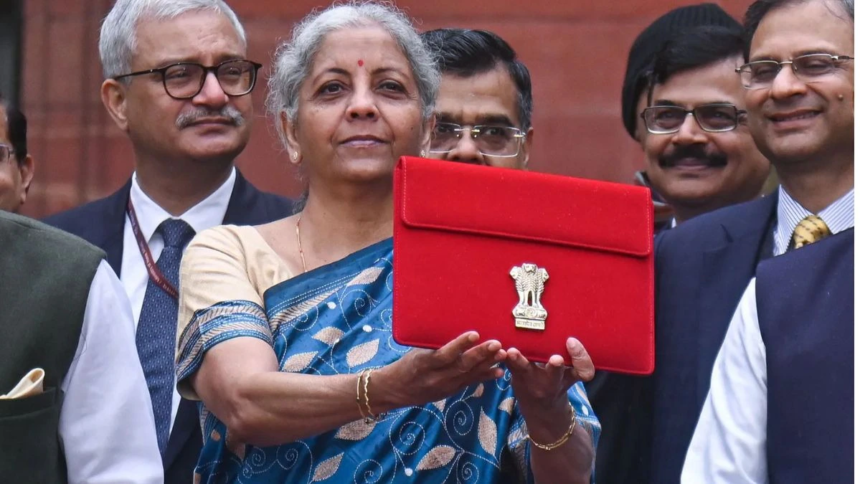
In 2019, she replaced the traditional leather Budget briefcase with a symbolic red cloth-wrapped bahi-khata, honoring Indian tradition
-
In recent years, she shifted the Budget to a fully paperless format, embracing digital governance
Now, she’s set to modernize not just the presentation — but the very structure of the Budget.
It’s like upgrading from a classic radio to a smart speaker. Same purpose, far greater potential.
The Fiscal Deficit: The Number Everyone’s Waiting For
One of the biggest talking points will be the government’s fiscal discipline.
India has already achieved a major milestone by pushing the fiscal deficit below 4.5% of GDP by fiscal year 2026.
Now the big question is:
What’s the plan for 2027 and beyond?
Markets will be eager to see:
-
A clear roadmap to reduce debt-to-GDP ratio
-
Whether a specific fiscal deficit target will be announced for the next financial year
A strong signal here could boost confidence and stabilize financial markets.

Capital Expenditure: The Engine of Growth
Union Budget New Format Part B, If there’s one thing this government has consistently bet on, it’s infrastructure.
For the current fiscal year, capital expenditure (capex) stands at a massive:
₹11.2 lakh crore
And this year?
Experts expect a 10% to 15% increase.
Why is this so important?
Because when private players hesitate, government investment keeps the economy moving — like a strong engine pulling a long train uphill.
More capex means:
-
Better roads and railways
-
Stronger logistics
-
Job creation
-
Higher productivity
In simple words, it fuels long-term growth.
GDP Growth Projections: A Peek Into the Future
Another crucial number will be the nominal GDP growth forecast for fiscal 2027.
Estimates suggest it may fall between 10.5% and 11%.
This figure isn’t just about growth — it also offers hints about:
-
Inflation trends
-
Economic momentum
-
Revenue expectations
Higher projections suggest optimism. Lower ones signal caution.
It’s like checking the weather forecast before planning a long trip.
Focus on Key Sectors: Health, Education, and Welfare
Beyond big numbers and growth targets, the Budget is also expected to shine a light on social development.
Major attention may go to:
-
Health infrastructure
-
Education reforms
-
Employment generation
-
Key welfare schemes like G RAM G
These sectors form the backbone of a strong economy.
After all, what’s growth without healthy, skilled citizens to drive it?
Local Strengths, Global Dreams
One of the most exciting aspects of this year’s Budget is its expected emphasis on blending:
🇮🇳 India’s local strengths
With global ambitions
This includes:
-
Boosting manufacturing under “Make in India”
-
Strengthening startups and innovation
-
Expanding exports
-
Reducing dependency on imports
The vision seems clear: build strong at home, compete globally.
Why Part B Is Becoming the New Powerhouse
Traditionally, many people tuned out during Part B — thinking it was only for accountants and tax experts.
But this year, Part B could become the real headline-maker.
By including:
-
Strategic economic goals
-
Sectoral growth plans
-
Long-term fiscal discipline
It transforms from a technical appendix into a future-focused blueprint.
In many ways, it reflects India’s evolving economic maturity.
What This Means for Ordinary Citizens
You might wonder — how does all this affect everyday life?
Here’s how:
-
Better infrastructure = smoother travel and lower costs
-
Stronger economy = more jobs
-
Fiscal discipline = stable prices
-
Investment in health and education = better quality of life
So yes, behind all the big numbers lies real impact.
The Bigger Picture for India’s Economic Future
Looking beyond the numbers and announcements, this shift in the Nirmala Sitharaman Budget tradition break reflects a deeper change in how India sees itself on the global stage. The Union Budget is no longer just about managing yearly expenses — it’s about crafting a long-term economic vision that blends innovation, stability, and opportunity. By transforming Part B of the Union Budget into a strategic roadmap, the Nirmala Sitharaman Budget tradition shift is inviting citizens, investors, and global markets to be part of India’s growth journey. If this new Budget format continues in the coming years, the Nirmala Sitharaman Budget tradition change could turn the Union Budget into one of the most powerful tools shaping India’s economic destiny
Similar Articles: Economic Survey 2026 Warns India Must Act in the Tech Cold War to Stay Globally Indispensable
Conclusion
Union Budget New Format Part B, this year’s Union Budget feels less like a routine financial announcement and more like a turning point in how India plans its economic future. By breaking a 75-year-old tradition and turning Part B into a space for long-term vision, the government is sending a clear message — India is thinking bigger, bolder, and far ahead. From fiscal discipline and infrastructure push to growth projections and social sector focus, every move points toward building a stronger, more resilient economy. If executed well, this shift could shape India’s growth story for decades to come, making this Budget not just memorable, but truly transformational.