

Tata Steels Bold Move: Whats Really Going On?
When Tata Steel announced its plan to cut 1,600 jobs at its Netherlands facility, it caught everyones attentioninvestors, employees, and analysts alike. And just a day later, boomthe companys stock jumped 6%. Coincidence? Not really.
Lets unpack why this decision was made, what it means for the steel giants future, and how it ties into a larger transformation strategy that includes going green and staying globally competitive.
Why the Layoffs? Whats the Big Picture?
The 1,600 job cuts arent just random cost-cutting. Theyre part of a broader transformation plan aimed at future-proofing Tata Steels Dutch operations. That phrase might sound like corporate jargon, but heres what it really means: adapting to survive and thrive in a rapidly changing global market.
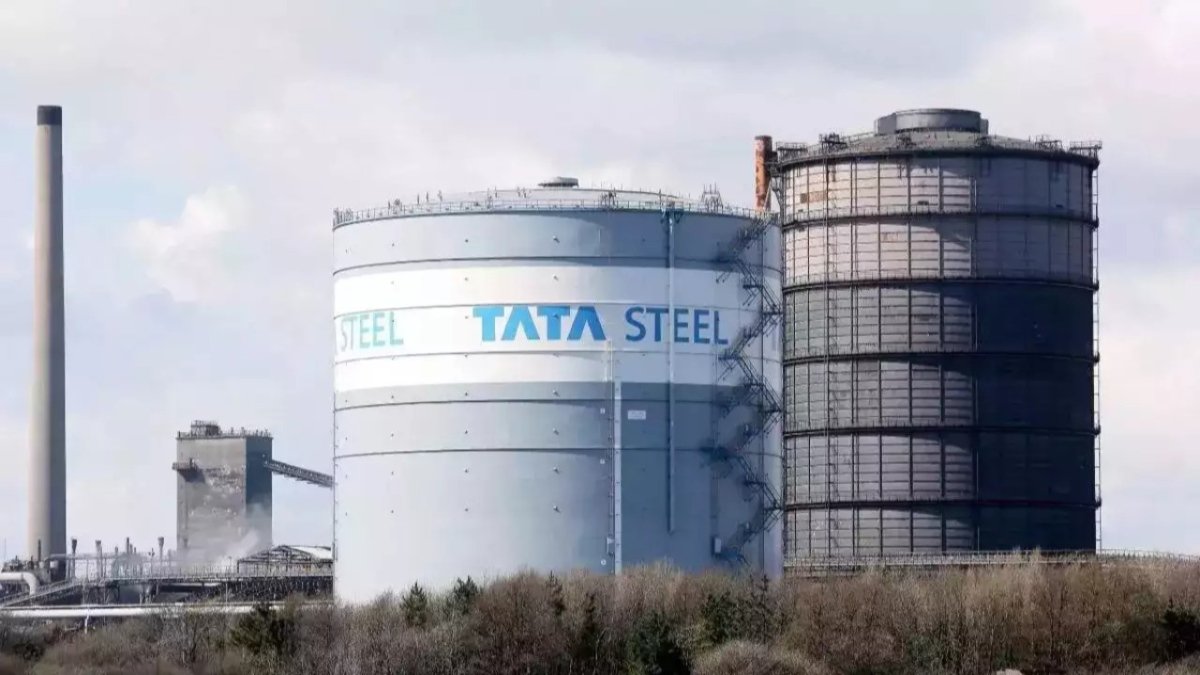
The plant in question is located in IJmuiden and employs around 9,000 workers. Tata Steel Nederland (TSN) as a whole has a workforce of about 12,000. This round of cuts will affect management and support rolesnot the frontline steelworkers, for now.
So why make these changes now? According to Tata, its due to some serious headwinds in Europethink geopolitical instability, trade disruptions, spiraling energy costs, and tangled supply chains. These pressures have jacked up operating costs and slammed profit margins. Even though the plant nearly hit its liquid steel production capacity6.75 million tonnes in FY25the outlook is still rocky.
The Green Transformation: Steel With a Conscience
Heres where it gets interesting: Tata isnt just downsizingits reinventing. The company is in the middle of a major decarbonisation push. The IJmuiden plant is a key player in Tata Steel Nederlands green steel transition, which involves shifting away from traditional blast furnaces to more sustainable tech.
By the end of the decade, one of the two blast furnaces will be replaced with a direct reduced iron (DRI) furnace and an electric arc furnace (EAF). These modern units have a much smaller carbon footprint. But lets be realthis isnt cheap or easy. Thats why Tata is actively working with the Dutch government on a financial support package.
Sound familiar? It should. In the UK, Tata recently pulled off a similar restructuringcutting 2,800 jobs and shutting down a blast furnace after securing a hefty £500 million grant. The company is now investing £1.25 billion into building a 3 million tonne EAF with a lower environmental impact.
A New Structure for a New Era
So what does transformation actually look like from the inside?
For Tata Steel Nederland, its about more than just green furnaces. The company says it needs a more effective organisational structurewhich is a fancy way of saying theyre streamlining, automating, and eliminating duplication.
Translation? Fewer managers, tighter teams, more tech. Its the classic corporate reboot, and while it can be painful, its also a step toward long-term sustainabilityboth financially and environmentally.
Certain changes are also being made in TSNs local management board, though the company hasnt spilled all the details yet.
Leadership Speaks Out
T.V. Narendran, CEO and MD of Tata Steel Ltd, didnt sugarcoat the situation. He emphasized that these changes are crucial if Tata Steel Nederland is to reclaim its spot as one of the most efficient steel operations in Europe.
Were working closely with the Dutch government on joint investments into the green steel plan, Narendran said. This transformation is a cornerstone of that vision.
Hans van den Berg, CEO of Tata Steel Nederland, echoed the sentiment: Were taking a necessary step towards a sustainable and future-proof steel company.
Investor Reaction: Why Did the Share Price Jump?
You might be wonderingwhy would cutting jobs cause the stock price to go up?
Well, the market loves efficiency. Investors saw the job cuts not as a sign of trouble, but as a proactive step in a solid transformation strategy. By reducing overhead and positioning itself for a green future, Tata Steel is showing investors that its thinking long-term.
And with a massive focus on sustainability, governments and regulators are more likely to support the company with grants and subsidiesjust like in the UK.
The Numbers Game: What Do the Stats Say?
-
Jobs cut: 1,600 (mostly management/support)
-
Current employment: 9,000 at IJmuiden, 12,000 across TSN
-
FY25 production: 6.75 million tonnes of liquid steel (near capacity)
-
Planned investment (UK): £1.25 billion for 3mt electric arc furnace
-
UK job cuts (2024): 2,800
These numbers show that Tata isnt just trimming the fatits making room for a leaner, greener steel giant.
Europes Steel Crisis: Tatas Not Alone
Lets not forgetTata isnt the only steelmaker feeling the heat in Europe. The entire industry is navigating a perfect storm of challenges:
-
Weak demand
-
Environmental regulations
-
Trade tensions
-
Energy volatility
Other players are also looking to decarbonize and restructure, but Tata seems to be one of the few moving decisivelyand publiclyon both fronts.
What This Means for Employees
Of course, theres a human side to this story. Losing 1,600 jobs is no small matter. Tata has said it will go through a comprehensive consultation process with employees, unions, and the Dutch government.
If history is any guide, expect a combination of severance packages, re-skilling programs, and possible redeployments within the organization. Still, it’s a tough pill to swallow for those affected.
Future Outlook: Is Tata Steel on the Right Track?
Short answer? Yeswith some caveats.
Tata is doing what many traditional manufacturing giants struggle to do: adapt. Its embracing clean technology, working with governments, and making tough choices now to secure a stronger future. Thats why the markets responded positively.
But the road ahead isnt smooth. Transitioning to green steel takes time, money, and a ton of coordination. Tata has started strong, but the execution will be everything.
Conclusion
Tata Steels recent job cuts in the Netherlands are just one part of a much larger storyone about transformation, sustainability, and long-term survival in a volatile global market. The companys 6% stock price bump shows that investors have confidence in the plan. Now, its up to Tata to follow through.
The combination of reducing costs, upgrading technology, and pivoting to green steel could very well position Tata Steel Nederland as a leader in the future of sustainable manufacturing.
But lets be clearthis is just the beginning.