
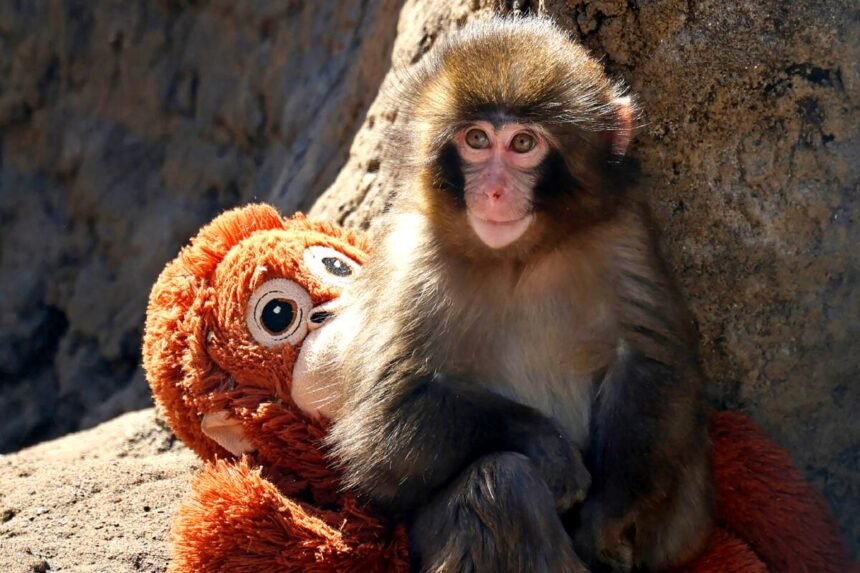
Punch Monkeys, Who would have thought a tiny baby monkey and a soft toy could trigger a worldwide shopping frenzy? Yet that’s exactly what happened with Punch, a baby Japanese macaque in Japan, and his beloved stuffed orangutan. What began as a simple comfort toy for an anxious animal has turned into a viral sensation, sending demand – and prices – for the plush skyrocketing online.
Let’s walk through how this heartwarming story became an unexpected lesson in viral trends, resale culture, and the power of social media.
Who Is Punch, The Baby Macaque?
Punch is a young Japanese macaque living at Ichikawa City Zoo in Japan. Born last year, he had a rough start to life:
-
He was abandoned by his mother shortly after birth.
-
Larger monkeys in the troop bullied him, leaving him stressed and insecure.
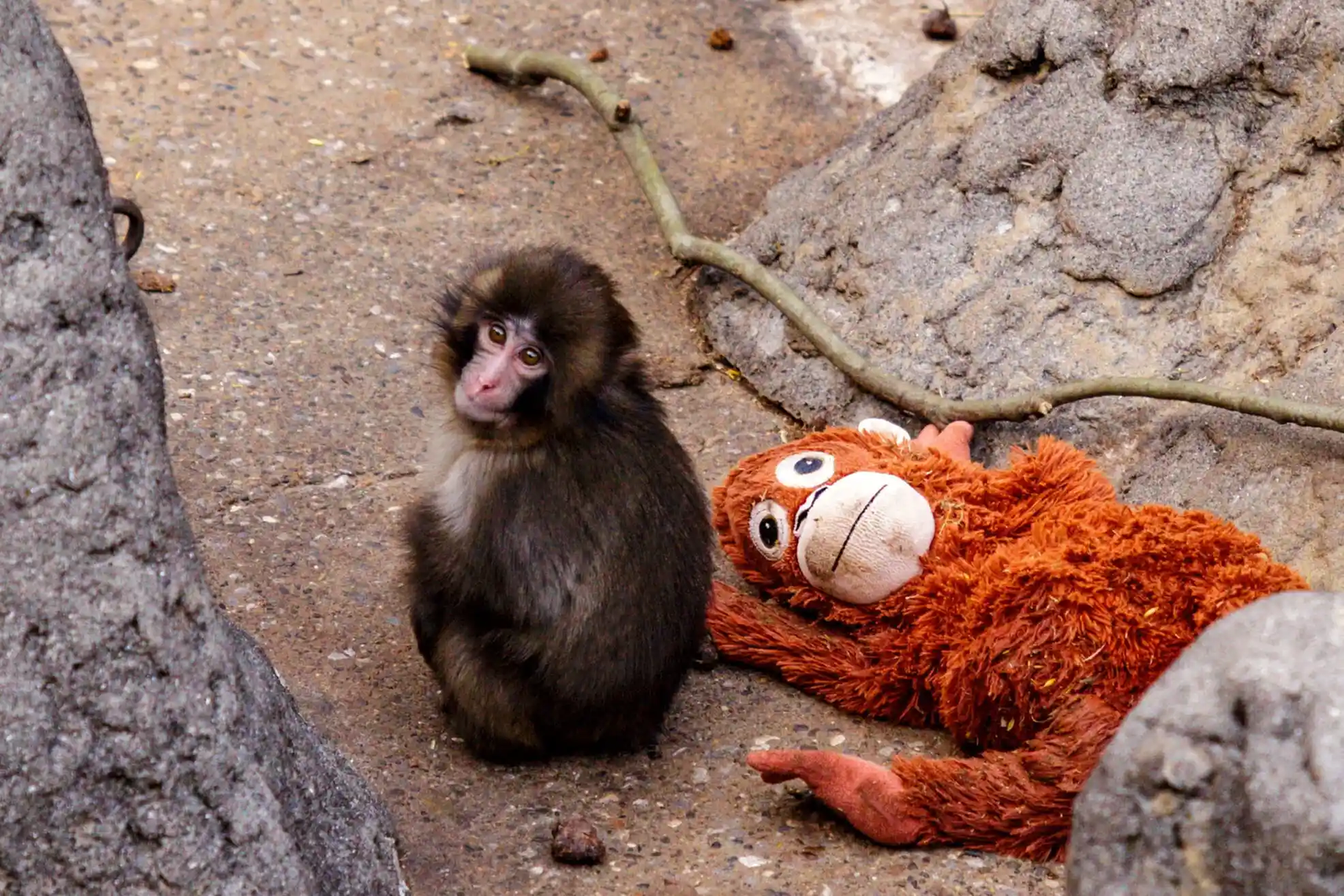
To help him cope, zoo staff introduced a stuffed orangutan toy into his enclosure. They hoped it would give him comfort and maybe even help with his social development.
Meet Ora-Mama: The Plush Toy That Changed Everything
Punch Monkeys, The stuffed orangutan quickly became more than just a toy; it became Punch’s emotional anchor. Zookeepers nicknamed the plush “Ora-mama”, a nod to its orangutan look and its mother-like role.
Punch was seen:
-
Hugging the toy tightly
-
Carrying it around wherever he went
-
Snuggling with it for comfort and sleep
Videos of Punch clinging to Ora-mama spread across social media, and millions of people fell in love with the unlikely duo.
Why Zookeepers Chose This Specific Toy
According to zookeeper Kosuke Shikano, the choice of plush wasn’t random. There was a clear strategy behind it:
-
The toy has relatively long hair and easy-to-grip parts, making it simple for Punch to hold.
-
Its resemblance to a monkey was intentional, to help Punch eventually integrate better into his troop.
In other words, Ora-mama isn’t just cute; it was chosen to support Punch’s physical comfort and social learning.
From IKEA Shelf To Internet Star: The Djungelskog Orangutan
Ora-mama is part of IKEA’s Djungelskog collection, a line of soft, cuddly animal toys known for their oversized, huggable designs. Under normal circumstances, this orangutan plush sells for around ₹1,650 (about 20 USD).
But these are not normal circumstances anymore.
Once Punch and his toy went viral, the Djungelskog orangutan suddenly became the “it” plush of the moment. Fans wanted the exact same toy they saw Punch holding in the videos.
Sold Out Worldwide: The Great Plush Shortage
As the videos gained traction, demand exploded:
-
The full-sized orangutan plush sold out on IKEA’s website and in many stores.
-
The smaller 8-inch version also vanished from online listings.
In classic internet fashion, the moment something became hard to get, people wanted it even more. And that’s when the resale market stepped in.
Resale Madness: From ₹1,650 To ₹29,000
Punch Monkeys, What happens when a ₹1,650 toy goes viral and sells out? It shows up on resale platforms at jaw-dropping prices.
According to reports, listings for the Djungelskog orangutan on eBay jumped dramatically:
-
Prices ranged from 100 to 355 USD
-
That’s roughly ₹8,300 to a staggering ₹29,000
Think about that: a simple plush toy, originally meant as an affordable children’s item, suddenly began selling for more than some smartphones. It’s a classic example of internet-driven hype colliding with limited supply.
IKEA Responds: Restocking Plans And A Special Visit
IKEA couldn’t ignore the sudden, unexpected fame of its orangutan plush. The company acknowledged the viral popularity and confirmed it is reviewing restocking options to meet the overwhelming demand.
But IKEA Japan went even further on a personal level.
Petra Fare, the President and Chief Sustainability Officer of IKEA Japan, visited Ichikawa City Zoo in person. During her visit, she donated multiple replacement Djungelskog orangutan soft toys for Punch.
The gesture ensured that:
-
Punch will always have backups if his current toy wears out.
-
The zoo can rotate or replace the plush without distressing him.
It was a rare moment where a global brand stepped directly into the story of a single animal’s emotional comfort.
Punch’s Social Journey: From Bullying To Belonging
Punch Monkeys, The videos that made Punch famous did not just show adorable cuddling moments; they also included clips of him being bullied by older monkeys. For many viewers, those scenes were hard to watch.
However, zookeepers explained that this behavior is part of a natural learning process:
-
Young monkeys must navigate social hierarchies.
-
Some rough interactions help them understand their place in the group.
According to Shikano, Punch is gradually integrating into the troop. The hope is that as he grows more confident and socially accepted, he will rely less on his stuffed companion.
Will Punch Ever Let Go Of Ora-Mama?
One of the big emotional questions is: will Punch always need his plush orangutan?
Zookeeper Kosuke Shikano believes there will come a time when Punch no longer depends on his stuffed toy. As he matures, builds relationships with other monkeys, and feels safer within the troop, the emotional “gap” Ora-mama currently fills may close.
In a way, the plush is like training wheels on a bicycle – crucial at first, but temporary in the long run.
What This Story Says About Us
Why did Punch and his plush toy capture so much attention?
This story taps into several powerful themes:
-
Our instinctive affection for vulnerable animals
-
The universal need for comfort, especially in times of fear or loneliness
-
The way social media can turn a private coping mechanism into a global trend
-
The strange economics of viral fame, where a basic toy can morph into a luxury collectible overnight
The meteoric rise in demand for the Djungelskog orangutan shows how quickly sympathy and cuteness can convert into consumer behavior. A tender moment in a Japanese zoo suddenly reshaped the global resale market for one stuffed animal.
Read More: Marvel’s Wolverine PS5 Release Date Confirmed: Launch Details, Story & Gameplay Revealed
Conclusion
Punch Monkeys, Punch’s story is about far more than a fluffy orangutan. It’s about survival, comfort, and the quiet bonds that help us – and animals – get through difficult beginnings.
From being abandoned and bullied, Punch found stability in a simple plush toy. That bond moved millions of people, drove a massive spike in demand, emptied IKEA shelves, and pushed resale prices to astonishing heights. IKEA’s involvement, especially through Petra Fare’s visit and donations, added a human (and corporate) touch to the tale.
One day, Punch may outgrow Ora-mama, but the world’s fascination with their unlikely friendship has already left its mark. In a noisy digital age, a baby monkey hugging a soft toy reminded everyone how powerful small, tender moments can be.