
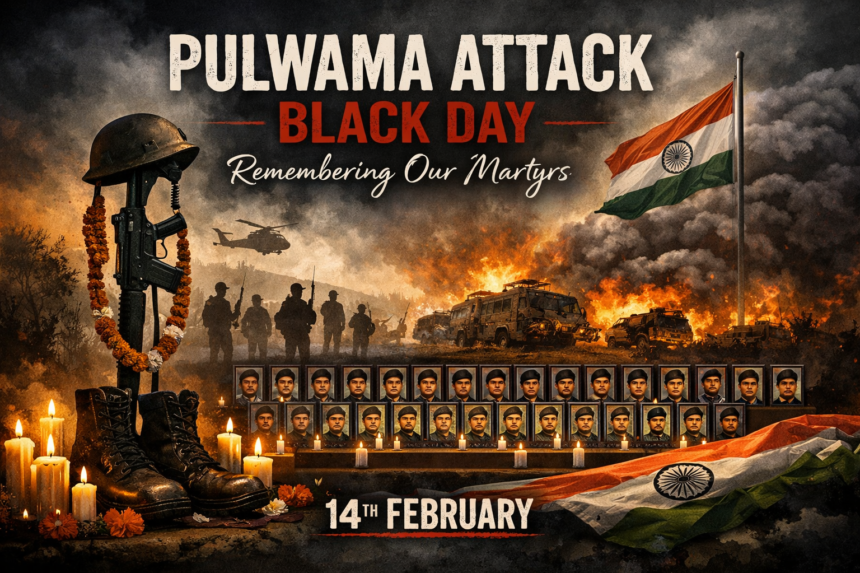
Pulwama Attack, February 14 is not just about roses and romance for millions of Indians. For India, this date carries a deep scar and a powerful reminder of sacrifice, resilience, and national unity. Every year, February 14 is observed as Black Day to remember the Pulwama terror attack of 2019, one of the deadliest attacks on Indian security forces.
In 2026, seven years after the tragedy, the nation continues to bow its head in respect to the 40 Central Reserve Police Force (CRPF) personnel who lost their lives. But Black Day is not only about grief. It is also about strength, solidarity, and the ongoing commitment to peace and security.
Let’s walk through what happened, why it matters, and how India observes this sombre day.
What Happened on February 14, 2019?
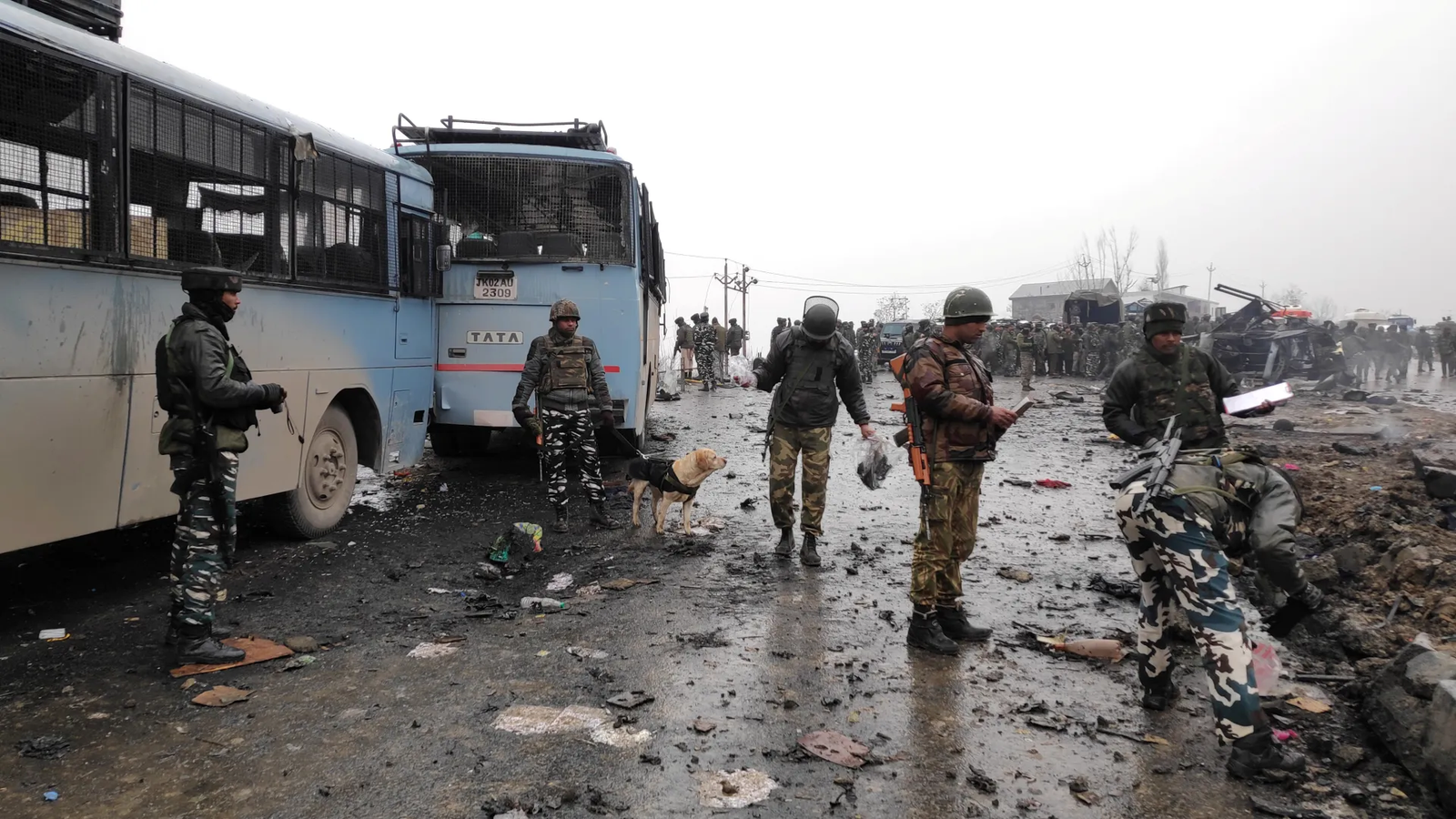
On February 14, 2019, a suicide bomber carried out a devastating attack on a CRPF convoy in the Pulwama district of Jammu and Kashmir. An explosives-laden vehicle rammed into one of the buses transporting personnel, resulting in a massive blast.
In that single, horrifying moment:
-
40 CRPF personnel were martyred
-
Many others were severely injured
-
The entire nation was plunged into grief and anger
The attack was claimed by a Pakistan-based terrorist organisation, which further escalated tensions between India and Pakistan. What followed was not just mourning, but also a strong political, diplomatic, and military response from India.
Why Is February 14 Called Black Day?
You might wonder, why the term Black Day?
In India, the phrase “Black Day” is used to mark events of deep national tragedy and collective loss. It symbolises:
-
A dark chapter in the country’s history
-
A moment when the nation’s heart felt heavy
-
A time of reflection, remembrance, and resolve
February 14 is called Black Day to:
-
Honour the martyrs who laid down their lives
-
Show support to their families
-
Remind the country of the cost of peace and security
It is a day when the mood turns from celebration to contemplation. Instead of exchanging gifts, many Indians observe silence, share tributes, and recall the bravery of those who never returned home.
The Immediate Aftermath: A Nation in Mourning
The Pulwama attack sent shockwaves across India. Within hours:
-
Social media was flooded with tributes and condolences
-
Candle marches and prayer meetings were organised in cities and small towns
-
Schools, colleges, and offices observed moments of silence
The faces of the 40 martyrs were seen on television screens and mobile phones everywhere. Their stories, their families, their dreams – all became part of the nation’s emotional memory. It was not just a headline; it was a personal loss for millions.
Diplomatic and Military Impact on India-Pakistan Relations
The attack did not remain a domestic issue. It strained India-Pakistan relations to a new level.
In the days and weeks that followed:
-
India mounted diplomatic pressure on Pakistan over cross-border terrorism
-
Several countries expressed solidarity with India
-
The Indian Air Force carried out airstrikes on terrorist camps in Pakistan’s Balakot region
This marked a significant shift in India’s response to terror attacks. The Pulwama incident became a turning point in how the country approached national security and cross-border terrorism.
National Tributes and Ceremonies Every Year
Each year, February 14 is marked by solemn tributes across the country. The scenes are powerful and emotional.
Some key ways the nation pays homage include:
-
Wreath-laying ceremonies at memorials dedicated to Pulwama martyrs
-
Recitation of the names of the 40 CRPF personnel
-
Special events organised by CRPF and other security agencies to remember their bravery
Leaders from the central and state governments, top security officials, and local citizens come together at these events. For the families of the martyrs, it is both a proud and painful reminder of their loved ones’ sacrifice.
Black Day in 2026: Seven Years On
By 2026, seven years have passed since the Pulwama attack, but its impact has not faded.
In fact, Black Day now carries even deeper significance:
-
It reminds people that national security cannot be taken for grant
-
It keeps the conversation about counter-terrorism alive
-
It reinforces public support for the armed forces
For a new generation that might have been too young in 2019, Black Day serves as a history lesson and a moral reminder. It tells them that behind every secure day, someone is standing guard at the border.
How People Across India Observe Black Day
Black Day is not only mark by official events. Ordinary citizens observe it in many heartfelt ways.
Some common forms of observance include:
-
Candle marches and prayer meetings: People gather in public spaces, holding candles in silence to honour the martyrs.
-
Online tributes: Social media timelines fill with photos, quotes, and messages of respect.
-
Remembrance events: Schools, colleges, and organisations conduct special assemblies, speeches, and documentary screenings.
-
Support for martyrs’ families: NGOs, local groups, and individuals reach out with donations, scholarships, and welfare initiatives.
Even simple gestures, like changing a profile picture or posting “We will never forget,” become symbols of solidarity.
Why Black Day Still Matters Today
In a fast-moving world where news changes by the minute, it is easy for old headlines to fade. But Black Day stays relevant for several reasons.
It reminds India to:
-
Stay vigilant against terrorism
-
Stand united despite political or social differences
-
Recognise the daily risks taken by soldiers and security personnel
Think of Black Day as a mirror. Every year, it asks the country: Are we doing enough to ensure such a tragedy never happens again?
A Day of Grief, Pride, and Resolve
Pulwama Attack, Black Day is not just about mourning. It is also about pride and resolve.
-
Pride in the courage of the CRPF personnel who continued to serve in one of the toughest regions in the world.
-
Resolve to fight terrorism in all its forms and to support policies that strengthen national security.
The stories of the Pulwama martyrs are stories of ordinary men with extraordinary courage. They came from small towns and villages, from simple backgrounds, but they chose a life of service. Their legacy is not just their sacrifice; it is the inspiration they leave behind.
Looking Ahead: From Tragedy to Stronger Unity
Over time, national tragedies can either divide a country or bring it closer. Pulwama attack has largely done the latter.
Black Day has become:
-
A symbol of unity across regions, religions, and political lines
-
A reminder that security forces stand above everyday disagreements
-
A call for citizens to stay informed, aware, and responsible
Like a scar that never fully disappears, February 14 stays etched in the nation’s memory. But scars also show healing and survival. India continues to move forward, but it does so with the memory of Pulwama in its heart.
Similar Articles: Operation Sindoor: A Bold Mission Against Terror in Jammu and Kashmir
Conclusion
Pulwama Attack, February 14 as Black Day is far more than a date on the calendar. It is a powerful blend of sorrow, respect, and determination. The Pulwama attack of 2019 shook India, but it also strengthened its resolve to defend its borders and its people.
Seven years later, in 2026, the country still pauses to remember the 40 CRPF personnel who made the ultimate sacrifice. Through tributes, ceremonies, and personal acts of remembrance, Indians send a clear message: we will not forget, we will stand together, and we will keep striving for a safer, more peaceful future.
Black Day is not just about looking back at what was lost. It is about looking ahead with the promise that their sacrifice will continue to guide the nation’s path.