
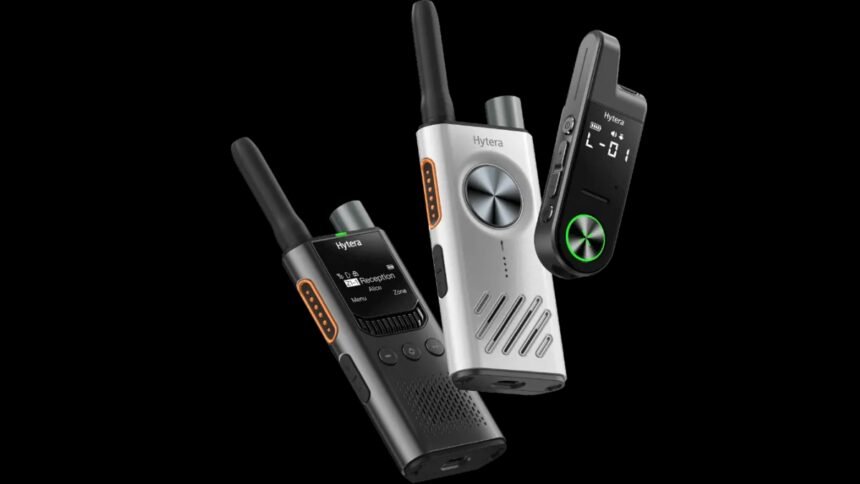
Walkie talkies arent just gadgets from old action movies anymoretheyre real, practical tools that make day-to-day coordination incredibly easy. In India, walkie talkie without license in India modelscommonly known as license-free walkie talkieshave exploded in popularity over the last few years. Youll find them everywhere, from school campuses and hotels to trekking trails and massive weddings. The reason is simple: a walkie talkie without license in India allows instant communication without depending on mobile networks or paying per-minute call charges. Lets dive into everything you need to know about these handy deviceshow they work, where theyre legal, and why everyone from event planners to hikers swears by them.
What Are License-Free Walkie Talkies?
Simply put, license-free walkie talkies are portable two-way radios that let you talk to another person (or a group) with just a push of a button. Unlike conventional radios, they operate in specific open frequency ranges approved by the Indian government. This means you dont need to buy a license or go through piles of paperwork.
Think of them as your own private networkjust without the SIM cards or monthly bills!
How They Work
License-free walkie talkies in India, These radios transmit voice signals over short distances using radio frequency waves. Once you press the push-to-talk (PTT) button, your voice is converted into signals that travel to other radios on the same frequency. Release the button, and you can listen to replies in real-timeno calling, no waiting, no dropped connections.
Legal Basics in India
Before you go shopping, its essential to understand the legal side. In India, wireless devices are governed by the Wireless Planning & Coordination (WPC) Wing of the Ministry of Communications. Walkie talkies are fully legal only if they meet specific technical and operational conditions.
Heres whats important to know:
-
License-exempt bands: India has allocated certain frequency bands (for example, around the 446 MHz range) for open use, meaning you dont need a license as long as your device operates within those limits.
-
Equipment standards: Radios must comply with Indian guidelines for signal strength, antenna gain, and channel configurations.
-
Usage boundaries: License-free radios are limited to short-range, local communication. You cant use them to run a public communication service or build a citywide radio network.
So before you buy, always check if the walkie talkie is labeled WPC-approved or for license-free use in India.
Who Uses License-Free Walkie Talkies in India?
You might be surprised to know just how many industries rely on these devices. Their use stretches far beyond security guards and trekkers.
Lets look at a few popular use cases.
1. Event and Wedding Management
Indias massive weddings and corporate events require flawless coordination. Decorators, security staff, chefs, and organizers cant waste time calling each other. A quick radio message like, Lighting team, check stage setup, saves minutes that could otherwise cause chaos.
2. Hotels and Resorts
Housekeeping, maintenance, and front-desk teams depend on walkie talkies for smooth operation. A single call can alert the team to clean a room, handle a guest request, or coordinate deliverieswithout disturbing guests.
3. Schools and Colleges
From managing morning assemblies to coordinating transport, educational institutions use radios for efficiency and safety. Imagine trying to manage hundreds of students during Sports Day without instant communicationits nearly impossible.
4. Warehouses and Factories
In busy industrial environments, walkie talkies keep supervisors, forklift drivers, and safety officers in sync. Clear, hands-free communication prevents accidents and keeps production lines smooth.
5. Trekkers and Adventure Groups
Remote areas in the Himalayas or the Western Ghats often lack mobile coverage. Thats when a pair of license-free walkie talkies becomes a literal lifeline.
6. Housing Societies and Farms
From coordination between gate security and housekeeping to alerting support teams about maintenance issues, residential complexes and farms use walkie talkies for routine operations.
Key Features to Look For
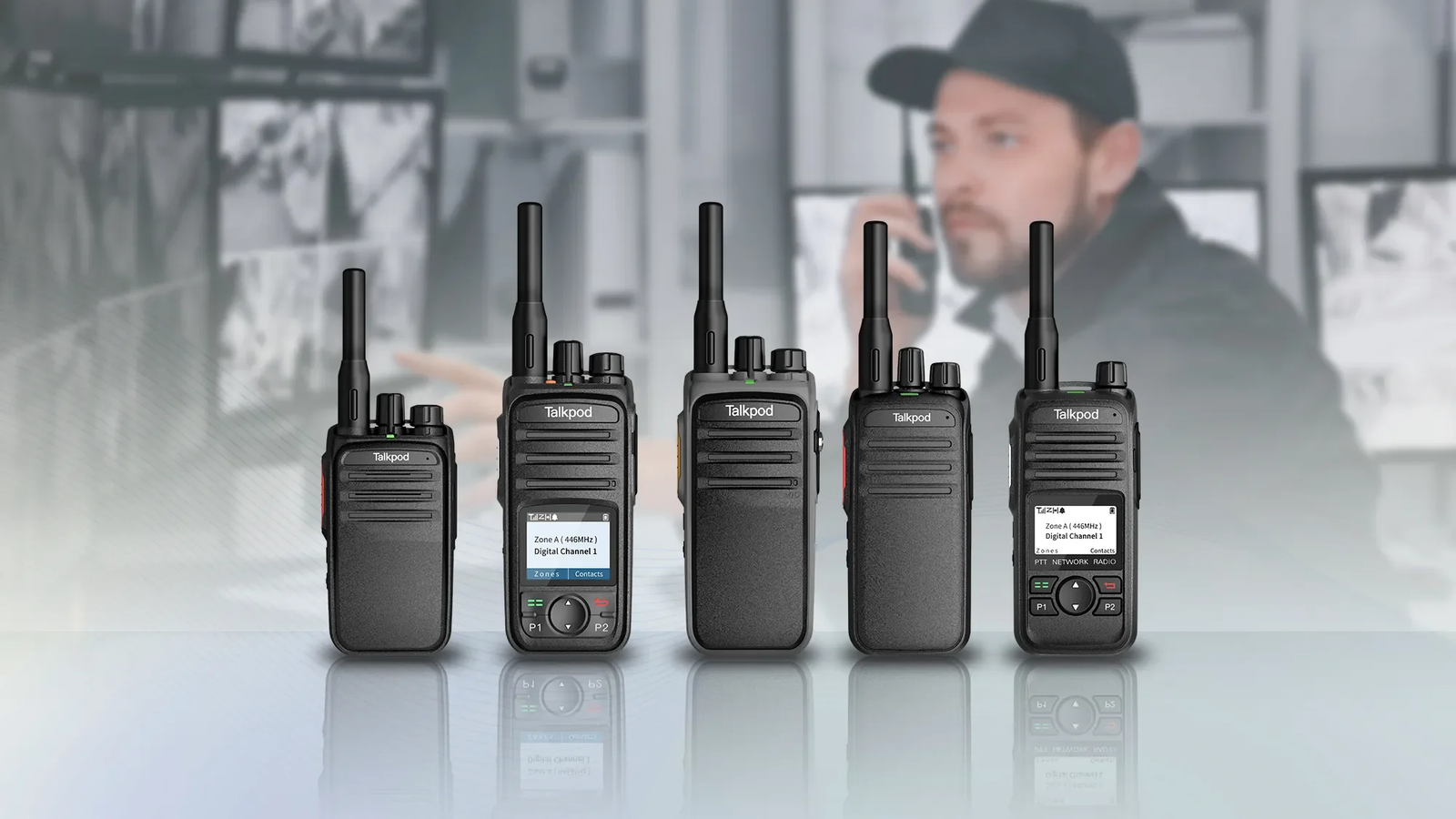
Buying a license-free walkie talkie isnt just about picking the one with the longest range on the box. Real-world performance depends on a blend of features.
Heres what truly matters:
-
Battery Life: Pick models with long-lasting lithium-ion batteries that can last through an entire work shift.
-
Durability: Indias climate can be harsh. Choose devices that are dust- and splash-resistantyour radios should survive both summer heat and monsoon rains.
-
Audio Clarity: Look for strong speakers and noise cancellationespecially if youll use them in loud places like construction sites or concerts.
-
Real Range: Dont be fooled by marketing claims. A 10 km range radio might only cover 12 km in a building. Check independent reviews for realistic coverage.
-
Group Calling: Features like broadcast mode or team channels make big operations smoother by allowing one speaker to reach everyone at once.
Accessories also matterspare batteries, earpieces, and charging docks can make daily use much more convenient.
Best Practices for Using Walkie Talkies
Everyone loves pressing that PTT button, but using walkie talkies efficiently requires a little radio etiquette. Good habits keep communication crisp and reduce interference.
Try following these tips:
-
Use call signs instead of personal namessay Front Desk 2 instead of Rahul.
-
Keep messages short and to the point to avoid clogging channels.
-
Avoid sharing sensitive info since anyone on the same frequency can listen.
-
Wait a second before speaking after pressing the buttonthis prevents the first word from getting cut off.
-
Train your team. A five-minute orientation on basic protocol can make a big difference in clarity.
Advantages of License-Free Walkie Talkies
If youre wondering why so many businesses are making the switch, here are a few strong reasons:
-
Zero recurring cost: No SIMs, no call bills.
-
Instant response: Push, talk, and youre connectedno screen distractions.
-
Reliability: Works in places where mobile networks fail.
-
Ease of use: Simple buttonsno tech background required.
-
Durability: Built to handle drops, dust, and rough work conditions.
In short, theyre cost-effective, practical, and dependable communication tools.
Safety and Compliance Tips
Even though these walkie talkies are license-free, users still have to follow basic safety and compliance rules:
-
Buy only WPC-certified devices.
-
Avoid modifying the antenna or boosting transmission powerits illegal and could interfere with emergency communication channels.
-
Keep radios away from children when not in use.
-
Check updates from the Department of Telecommunications for any policy changes.
The Future of Walkie Talkies in India
With the rise of smart industries, event tourism, and outdoor adventures, walkie talkies are only getting more popular. Some newer models even come with Bluetooth, USB charging, and VOX (voice-activated transmission) for completely hands-free communication. Theyre bridging the gap between simple analog devices and smart, connected tools for the modern workplace.
Similar Article: Are Walkie Talkies Legal in India? Heres Everything You Need to Know
Conclusion
License-free walkie talkies in India, In a world where mobile signals can fail and phones run out of battery, license-free walkie talkies offer a simple, reliable, and instant way to stay connected. Whether youre managing a school, coordinating a wedding, trekking through the Himalayas, or supervising a factory floor, these small devices deliver big results. Just remember to use government-approved models, follow proper etiquette, and youll wonder how you ever worked without them.