In 2025, Israel finds itself at the epicenter of critical geopolitical challenges that continue to shape the Middle East landscape. With heightened tensions in Gaza, ongoing conflict with Hezbollah in Lebanon, and an escalating confrontation with Iran, the security situation remains precarious. This article delves into the latest Israel news, highlights the complex Iran-Israel conflict, and explores regional responses that influence international relations today.
Current News in Israel: Security and Political Landscape
Over the past months, Israel has been engaged in multiple military and political operations responding to threats from Hamas in Gaza and Hezbollah in southern Lebanon. The Israeli government, led by Prime Minister Benjamin Netanyahu, has taken a firm stance on national security, amplifying military activity to prevent future escalations. Israeli airstrikes have targeted militant positions, particularly in Gaza, as the Hamas organization works to rearm amid a fragile ceasefire. Similarly, Israel has increased surveillance and strikes against Hezbollah targets in southern Lebanon to counter cross-border threats.
Domestically, Israeli society remains divided, with public opinion split regarding government policies on security and investigations into recent conflict episodes. The government has faced criticism, but it continues to prioritize robust defense strategies amid regional instability.
The Role of International Diplomacy
International diplomacy has played a critical role in this unfolding scenario. The U.N. Security Council has debated proposals related to Palestinian statehood, including a controversial U.S.-backed Gaza plan opposed strongly by Israel. While diplomatic efforts seek a resolution, the path to peace remains fraught with challenges, as militant groups continue to strengthen and regional actors back various sides.
Iran-Israel News: Proxy Conflicts and Direct Tensions
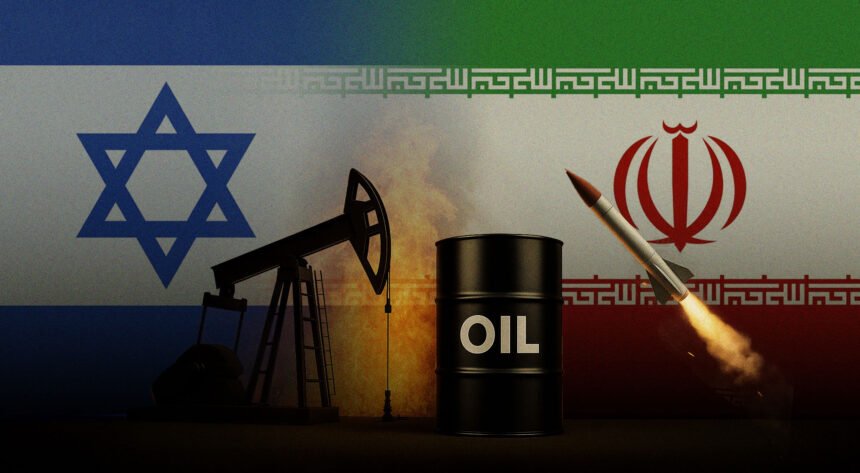
The Iran-Israel relationship is arguably one of the most significant factors driving unrest in the Middle East. Throughout 2025, Israel has intensified operations against Iranian-backed militia locations and facilities across Syria, Iraq, and within Iran itself. Israels “Operation Rising Lion” has targeted Iranian nuclear and military sites, aimed at curbing Tehrans nuclear ambitions and missile capabilities.
Iran, in response, has emphasized its missile development programs, with Iranian military officials warning of a potential 2,000-missile strike capability. The Islamic Revolutionary Guard Corps (IRGC) remains vocal about defending Iranian interests, seizing vessels reportedly near its territorial waters in an assertion of power against perceived foreign adversaries.
These developments signify a proxy war playing out across several countries, with Lebanons Hezbollah and various Iraqi militias serving as Tehrans proxies against Israel. This complex web of conflict keeps the region on edge while raising concerns among global powers over a possible larger-scale confrontation.
Whats the Latest News from Israel and Its Implications?
The most recent developments underscore Israel’s focus on security and the threat from Iran-backed groups. An uptick in missile activity, intelligence operations, and airstrikes reflects Israels strategic priority to maintain deterrence. For example, recent reports indicate more than 1,500 buildings in Gaza have been destroyed in Israeli strikes over the year, leading to widespread humanitarian concerns but also signaling the intensity of ongoing hostilities.
While a U.N. proposal for a new peacekeeping force in Gaza was approved, the resolution remains subject to negotiation and implementation challenges. Many analysts warn that without addressing the root causes, the conflict is likely to persist or even escalate.
The Impact on Regional Stability and Global Relations
This volatile dynamic affects the broader Middle East stability and has significant ramifications for global politics. Countries such as the U.S. continue to support Israel, while also calling for restraint and peace negotiations. Other regional actors watch closely, balancing alliances and pragmatic interests amid the flux.
The media landscape, including outlets like Fox News, largely supports Israel, reflecting political alignments that influence public opinion in the West. The discourse around the Israel-Iran conflict remains highly polarized, with coverage often shaping perceptions and policy debates worldwide.
Read More: Iran and Israel Ceasefire: Latest War and Peace Updates
Conclusion
In conclusion, the latest Israel news highlights a region grappling with multiple interconnected conflicts, principally revolving around security, national sovereignty, and ideological divisions. The ongoing Israel-Iran tensions add complexity to an already sensitive environment, demanding careful diplomatic and strategic approaches to avoid further escalations.