

It began like any other school day in Ahmedabad. Students hurried to their classrooms, teachers prepared their lessons, and parents went about their mid-morning errands. Then, the peace shattered. Around ten prominent schools across the city received chilling bomb threat emails that contained just four terrifying words We will take revenge.
Panic spread like wildfire. Within minutes, classrooms turned into scenes of confusion as the Ahmedabad schools bomb threat unfolded, with teachers trying to keep children calm while school authorities scrambled to contact parents and law enforcement. For a city known for its quiet resilience, it was a morning no one will forget anytime soon.
How the Threat Unfolded
According to Deputy Commissioner of Police (Zone 1) Harshad Patel, the bomb threats targeted nearly ten schools in and around Ahmedabad. The emails arrived almost simultaneously, suggesting coordination. The message was short and vague, offering no clear motive only a menacing promise of revenge.
Police forces quickly mobilized across different zones of the city. Senior officers, along with the local police station staff, began sweeping operations while cybercrime units started tracing the emails origin. Though no explosive material was found, the authorities werent taking any chances.
Immediate Action: Evacuations and Investigations
Once the threat became known, school authorities did the right thing they acted fast. Notices were sent out to parents, urging them to collect their children immediately. One such message, issued by a leading school, stated:
“This is to inform you that due to some inconvenience, we have to vacate the Vidyalaya premises. We request you to collect your child as soon as possible.”
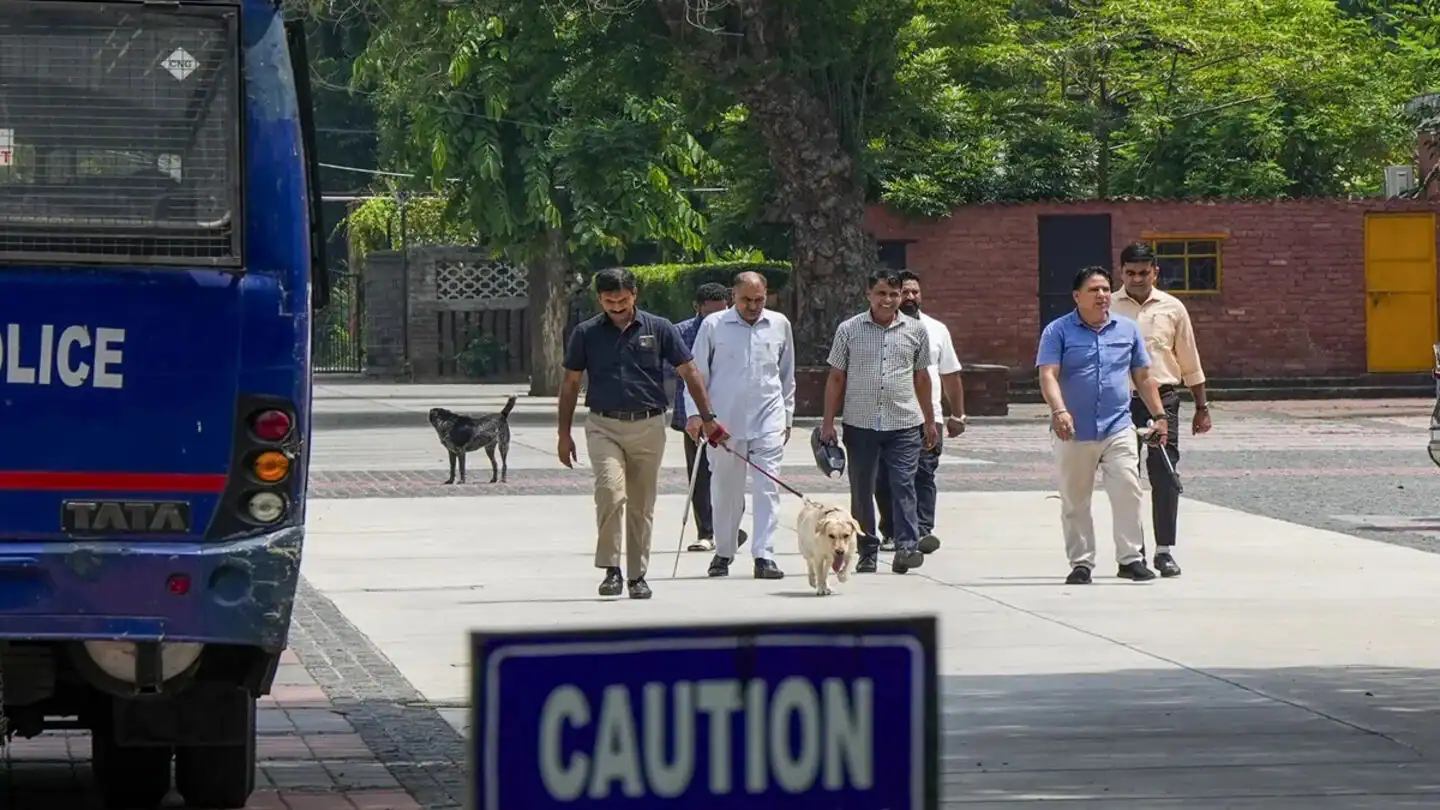
Within minutes, school gates were crowded with anxious parents. Many arrived hurriedly, hearts pounding, desperate to see their kids safe. The police deployed bomb squads, sniffer dogs, and technical teams to inspect every corner of the buildings from classrooms to parking lots and rooftops.
Thankfully, by midday, officials confirmed that no suspicious materials were found in any of the schools, and the bomb scare appeared to be a hoax.
The Schools That Received the Threat
Sources revealed that the targeted schools were some of Ahmedabads most recognized names, drawing attention due to their prominence. The list included:
-
Zydus School, Vejalpur
-
Zebra School
-
Maharaja Agrasen School
-
Nirman School, Vastrapur
-
DAV International School
While a few other schools also reported similar messages, authorities deliberately withheld certain details because the investigation was ongoing.
Each institution suspended classes for their afternoon shifts, prioritizing the safety of students and staff above everything else. Parents praised the prompt coordination between school authorities and law enforcement, which prevented mass panic from escalating further.
A City on High Alert
Ahmedabad bomb threat, Although the immediate threat turned out to be false, the impact lingered. Ahmedabads Cyber Crime Cell, security agencies, and intelligence divisions ramped up surveillance around other educational institutions. The city police increased patrolling, especially near schools, public places, and metro areas.
For parents, however, reassurance didnt come easily. Many expressed fear that their children could have been in danger. Even if its fake, its terrifying. As a parent, those hours of waiting felt endless, said one mother outside a Vastrapur school.
Similar Threats Across India
The Ahmedabad threat wasnt an isolated case. Over the past few weeks, several cities including Delhi, Gurugram, Amritsar, and Jalandhar have dealt with eerily similar bomb threat emails.
-
On December 10, multiple Delhi schools received bomb threat emails, later proven to be hoaxes.
-
On December 12, several Amritsar schools also got identical messages, leading to large-scale evacuations.
-
Just three days later (December 15), 11 private schools in Jalandhar were targeted with bomb threats, again causing panic among parents and students.
The similarities between these threats especially the timing, tone, and language used suggest a pattern. Authorities are now exploring whether the Ahmedabad emails were linked to this broader chain of incidents.
Police Investigation: Tracing the Source
The cybercrime division of Ahmedabad Police is currently at the heart of this investigation. Theyre analyzing server logs, IP addresses, and digital footprints that could pinpoint where the emails came from.
Cyber experts note that such cases can be complex because perpetrators often use VPNs or international proxy servers to mask their location. Yet, investigators remain confident that leads will emerge soon.
The primary goal, explained DCP Harshad Patel, is to track down the origin of the mail. Our cybercrime unit is examining various digital routes and correlating them with other national incidents.
Psychological Impact on Students and Parents
While physical harm was avoided, the emotional strain of such incidents runs deep. Students, especially younger ones, were frightened and confused. Teachers reportedly had to comfort crying children as announcements for evacuation echoed through hallways.
Parents, too, were understandably shaken. Many rush to schools upon hearing the news, abandoning meetings, work commitments, and daily routines. The anxiety was visible some parents hug their children for minutes before heading home, unable to let go.
Incidents like these highlight the need for psychological support systems in schools. After all, fear lingers long after a threat is neutraliz. Experts recommend short counseling sessions and reassurance from teachers to help students recover from such stressful events.
A New Challenge for Cyber Policing
Ahmedabad bomb threat, The rise in hoax bomb threats via email across Indian cities marks a disturbing new trend. While these dont involve physical explosives, their effect is equally disruptive causing panic, wasting emergency resources, and spreading fear.
Cybersecurity professionals argue that these threats often exploit weaknesses in digital infrastructure. Many schools still rely on unsecured email systems, making them easy targets for pranksters or cybercriminals. Strengthening these systems and training staff to identify spoofed or suspicious messages can make a big difference.
The Ministry of Home Affairs has reportedly taken note of these coordinated threats and may issue nationwide guidelines to improve school cybersecurity protocols.
Voices from the Ground
Teachers and principals from the affected Ahmedabad schools praised the swift action of city police but also demanded stricter cyber laws and training. We need to be ready for such digital crimes, said a principal from one of the target schools. Threats like these might not always be real, but they still shake the foundation of trust between parents and schools.
Some schools even used the incident as an impromptu safety drill, walking students through proper evacuation procedures and emphasizing calm behavior during emergencies.
Could These Threats Be Linked?
Given the near-simultaneous timing of threats in Delhi, Punjab, and Gujarat, its hard to ignore the possibility of a deeper connection. Law enforcement agencies are coordinating across state lines to compare IP data, email formats, and linguistic patterns.
Experts believe these could be the work of a coordinated group testing cyber responses, or possibly individuals seeking attention by exploiting public fear. In rare cases, foreign servers have be involve in generating such emails to destabilize routines or spread misinformation.
The investigation is still open, but the intensity of these nationwide alerts suggests the authorities are taking this pattern seriously.
Lessons for Schools Across India
This incident serves as a grim reminder that safety protocols and cybersecurity awareness in educational institutions need an urgent upgrade. Many schools still lack:
-
Regular security drills for students and staff.
-
Cyber awareness workshops for teachers.
-
Backup communication channels for emergencies.
-
Verified and encrypted email systems.
Ahmedabad bomb threat, Building resilience in these areas not only ensures safety but also restores parental confidence. Schools in major cities like Mumbai, Bengaluru, and Chennai have already begun reviewing their digital communication policies in light of these developments.
Community Response and Support
Ahmedabad residents came together in solidarity. Parents groups and local authorities created WhatsApp networks to share verified updates and prevent rumor-mongering. Public figures also urged patience and trust in the ongoing investigation.
This collective response showcased the citys maturity and community spirit. Despite panic and uncertainty, citizens handled the crisis with calm determination a reminder that vigilance and cooperation are the best defenses against fear-driven tactics.
Similar Articles: Ahmedabad School Bomb Threat Triggers Evacuation, Police Tighten Security
Conclusion
Ahmedabad bomb threat, The Ahmedabad bomb threat turned out to be a hoax, but the message it leaves behind is real safety in the digital age is not just about firewalls and passwords; its about awareness, preparedness, and communication. Whether malicious or mischievous, such threats have the power to unsettle cities and test systems.
Authorities deserve credit for their quick, organized response. However, the incident underscores an ongoing challenge: cybersecurity is now national security, even at the school level. Each fake email might seem harmless at first glance, but it drains resources and instills unnecessary fear.
As Ahmedabad breathes a sigh of relief, one thing is clear this city, like many others in India, will not let fear dictate its peace of mind again.