Neha Singh Robodog Controversy, You don’t usually expect a university stall at a tech summit to turn into a national talking point, right? Yet that’s exactly what happened at the India AI Impact Summit 2026 in New Delhi, when a four‑legged robotic dog became the centre of a very public row.
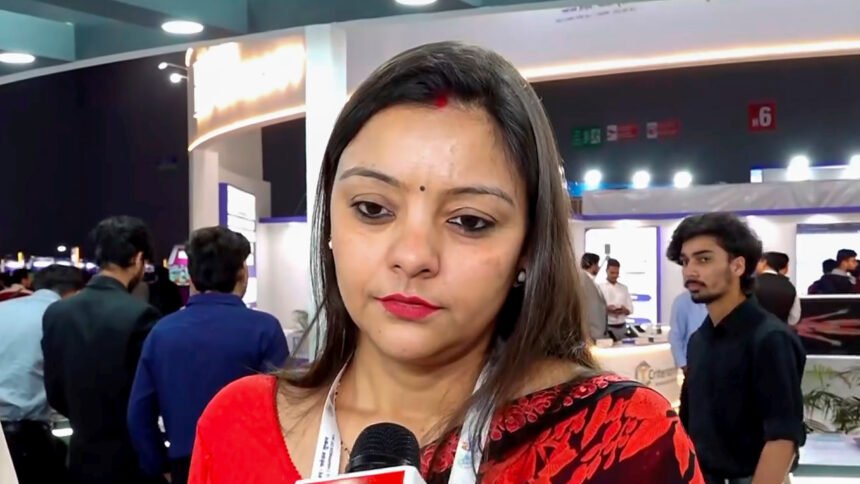
Standing right in the middle of this storm is Neha Singh, a communication professor from Galgotias University. A few words she spoke on camera about that robodog were enough to trigger questions about originality, ownership, and academic honesty. Within hours, social media pounced, the government reacted, and the university’s stall was shut down.
Galgotias University Robot Dog Controversy became one of the most talked-about tech event incidents in India.
So, who is Neha Singh? How did a communications expert end up as the face of a tech controversy? And what does this episode really tell us about how we present technology and innovation in public?
Let’s break it down.
Who Is Neha Singh? The Professional Behind The Headlines
Before the robodog row, Neha Singh was known in academic circles for something very different: her way with words. She describes herself as the Head of Department – Communications at the School of Business, Galgotias University, and her professional identity revolves around helping others speak better, not building robots.
On her LinkedIn profile, she highlights her passion for language, articulation, and stage presence. In her own words, she believes that the right words, spoken at the right moment, can change a person’s life. That’s a bold claim, but it’s also the kind of mindset you’d expect from someone who trains students in communication and soft skills.
Her role at Galgotias goes beyond just teaching grammar or presentation basics. She positions herself as a mentor who helps people find their voice, gain confidence, and express themselves with clarity and impact. Ironically, it’s this very strength—public speaking—that ended up dragging her into controversy when the robodog went viral.
Neha Singh’s Academic And Career Background
Neha Singh Robodog Controversy, Neha Singh is not a newcomer to academia. She joined Galgotias University in 2023, but her teaching and training experience stretches back many years.
Here’s a quick snapshot of her professional journey:
-
Assistant Professor at Sharda University, Greater Noida
-
Verbal Ability Mentor at Career Launcher, helping students crack competitive exams and build English skills
-
Association with GITAM, adding to her portfolio in higher education and training
On the qualifications front, she has:
-
An MBA from Devi Ahilya Vishwavidyalaya, completed in 2006
-
A Bachelor of Commerce from the University of Allahabad
In short, she is a classic example of a communication and management academic: comfortable in classrooms, training halls, and on stage. There is nothing in her public profile that directly connects her to robotics or hardcore AI development, which is what made her central role in the robodog incident even more striking.
The India AI Impact Summit: Where It All Began
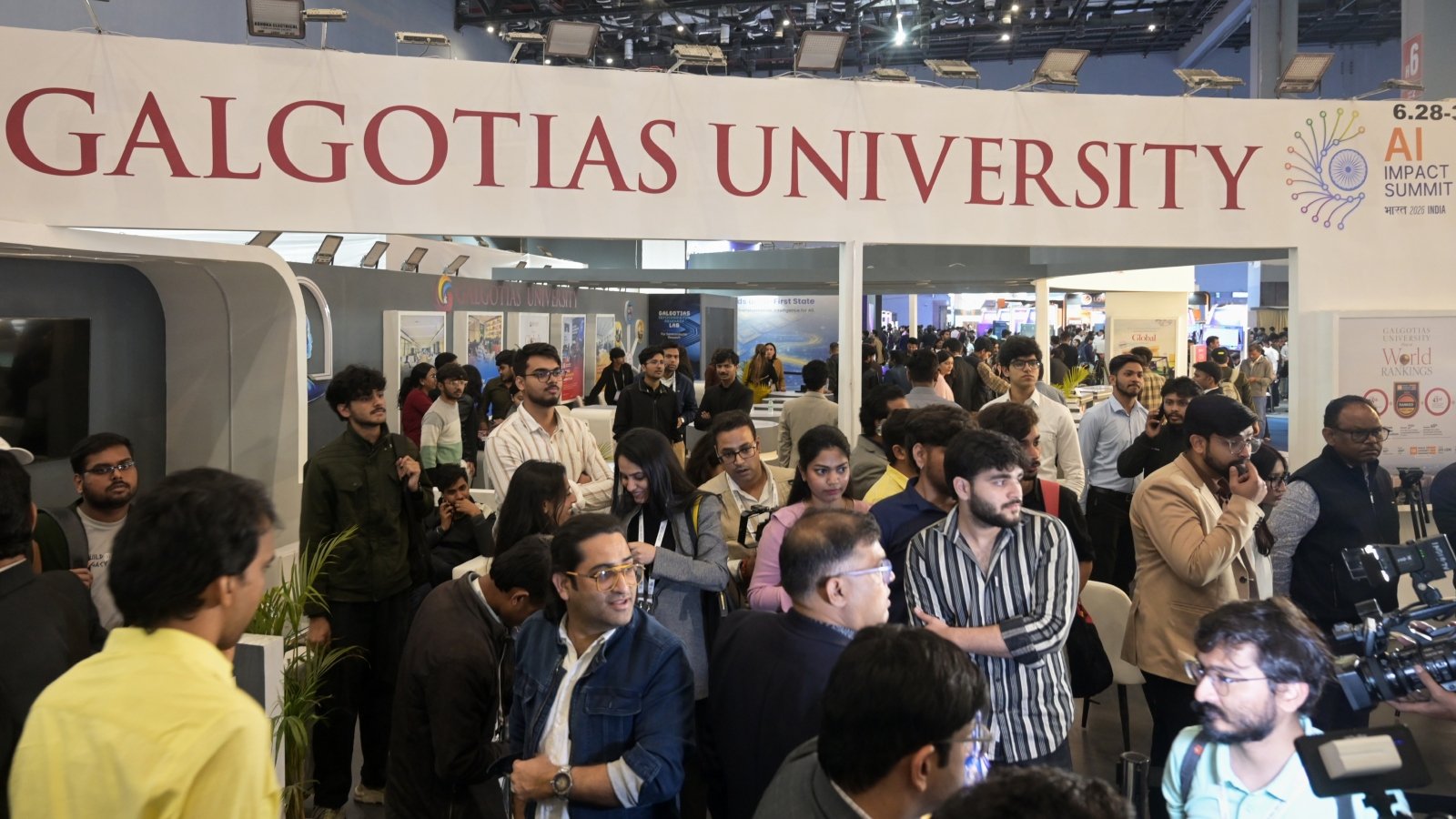
The flashpoint was the India AI Impact Summit 2026, held at Bharat Mandapam in New Delhi. This high‑profile event brought together startups, universities, tech firms, and government agencies to showcase India’s AI capabilities.
Galgotias University had a pavilion at the AI Impact Expo, and like many institutions, they wanted something eye‑catching to attract visitors. Enter the four‑legged robotic dog.
In videos from the event, Neha Singh is seen enthusiastically introducing the robot to visitors and cameras. She refers to the robodog as “Orion” and presents it as something developed by Galgotias University’s Centre of Excellence. The robot’s sleek movements and futuristic look quickly grabbed attention.
Government social media handles, including that of the Ministry of Electronics and IT (MeitY), shared videos of the robodog in action. For a while, it looked like a great PR moment for the university and for India’s AI ambitions.
Then the internet did what it does best: it started fact‑checking.

The Robodog “Orion”: What Was Actually On Display?
Neha Singh Robodog Controversy, If you follow robotics even casually, you might already be familiar with robots like Boston Dynamics’ Spot, or the newer generation of agile, dog‑like robots from Asian manufacturers. The robot at the centre of this controversy turned out to be no mysterious in‑house innovation at all.
Social media users quickly pointed out that the robodog showcased as “Orion” strongly resembled a commercial product sold by Unitree, a Chinese robotics company. In fact, it appeared to be the Unitree Go2, a widely available four‑legged robot used globally for research, training, and experimentation.
A few key points emerged online:
-
The robot’s design matched Unitree’s product almost exactly
-
The model is widely sold and can be purchased for around 1,600
-
The branding on the robot itself reportedly remained visible
So, while the university pavilion gave the impression—at least to some—that Galgotias had developed this robot, the reality was that it had been procured, not created from scratch.
And that’s where the trouble really started.
How Neha Singh Became The Face Of The Robodog Row
Hundreds of people might have walked past that stall, but only one person ended up under the spotlight: Neha Singh. Why her? Because she was the one speaking on camera.
In a widely shared clip, she is heard saying something along the lines of: “This is Orion. This has been developed by the Centre of Excellence at Galgotias University.” That single line sent a very clear signal to viewers: this robot is an in‑house innovation.
The video went viral. Government accounts amplified it. The audience—both online and offline—assumed that Galgotias had built a world‑class robodog. But within hours, tech‑savvy users started posting screenshots, product links, and comparison images showing that the robot was actually from Unitree.
Now imagine the optics: a university at a national AI summit, seemingly presenting a Chinese commercial product as its own development. It didn’t take long for outrage to build.
By Wednesday, as criticism intensified, organisers asked Galgotias University to vacate its pavilion at the expo. S Krishnan, Secretary of the Ministry of Electronics and Information Technology, made it very clear that the summit was meant to showcase genuine work, not misleading claims.
Suddenly, Neha Singh was no longer just a communications professor. She was the public face of what many perceived as a misrepresentation.
Neha Singh’s Response: Miscommunication Or Misrepresentation?
Neha Singh Robodog Controversy, Neha Singh stepped forward to explain her side. In multiple interactions with the media, she acknowledged that her wording could have been clearer and took responsibility for the confusion.
Her main points were:
-
The controversy may have arisen because she did not express herself clearly in the heat of the moment.
-
She insisted that she never meant to claim the robodog was manufactured by Galgotias University.
-
According to her, the robot had been introduced to students as a tool to inspire them and help them learn, so they could one day build something even better.
She also highlighted a crucial detail: the robodog had its original branding visible. As she argued, if the logo and markings of the original manufacturer were still on top, how could they claim it was fully built by the university?
In a later comment to Hindustan Times, she added that even if nobody had noticed the similarity to the Chinese product, they would still have clarified that it was not built by their students. That’s a strong claim, and people will naturally differ on whether they accept it at face value.
From her perspective, the situation seems to be a classic case of enthusiasm outpacing precision. She spoke passionately, she tried to showcase the university’s efforts, and in the process, her choice of words appears to have sent the wrong message.
What Happened To The Robodog After The Fiasco?
Once the narrative shifted from “cool robot” to “copied robot,” everyone wanted to know: where is the robodog now?
Neha Singh clarifying that the robot has been move back to the university’s labs. According to her, the original purpose of buying it was academic: students were meant to study its anatomy, explore its internal systems, and use it as a platform for research and development.
In other words, the robodog is suppose to be an educational tool, not a trophy. When used properly and transparently, such commercially bought robots can be fantastic for learning—you can think of them as high‑tech lab equipment, like a very advanced microscope.
However, the way it was presented at the summit overshadowed that academic intent and created the impression of a homegrown innovation. That difference in framing is what lies at the heart of the backlash.
How Galgotias University Responded: Distancing And Damage Control
Neha Singh Robodog Controversy, While Neha Singh accepted responsibility for unclear communication, Galgotias University quickly moved to distance the institution from her statements.
In an official statement, the university:
-
Apologised for the confusion created at the AI Summit
-
Described their representative at the stall as “ill‑informed”
-
Claimed she was not authorise to speak to the media
-
Emphasised that there was no intention to misrepresent the product or mislead the public
They also reiterated their commitment to academic integrity, transparency, and responsible representation of their work. The underlying message was simple: the university as a whole should not be judge on the basis of one person’s enthusiastic but inaccurate comments.
From a PR standpoint, this is a classic damage‑control strategy—acknowledge the issue, apologise, and isolate responsibility. From Neha Singh’s standpoint, it also meant that the weight of the fiasco was largely place on her shoulders.
Interestingly, soon after the controversy, her LinkedIn profile reportedly showed an “open to work” status, hinting at the personal impact the episode might be having on her career.
Lessons From The Robodog Row: Communication, Credibility, And Context
If you strip away the drama and the headlines, what does this whole saga actually teach us?
A few clear lessons stand out:
-
Clarity matters more than excitement: It’s tempting to hype things up on camera, but one ambiguous line can be enough to completely warp public perception.
-
Context is everything: There’s nothing wrong with universities buying commercial products for research. The problem arises when the context—“we bought this” versus “we built this”—is blurred.
-
Public platforms amplify mistakes: At a high‑profile event, especially one backed by government bodies, every word is under scrutiny. A small slip can snowball rapidly.
-
Branding isn’t enough: Even if the original branding is visible, verbal claims can override visual cues in the audience’s mind. What you say on camera can overshadow what people see.
Think of it like showing up at a science fair with a high‑end drone you bought online and casually saying, “Yeah, we developed this at our school lab.” Even if the drone’s logo is visible, the impression you’ve created is misleading. That’s essentially the criticism level at Galgotias in this case.
What Happens Next For Neha Singh And Galgotias?
Right now, there are more questions than answers about the long‑term impact on Neha Singh’s career and Galgotias University’s reputation.
Possible directions this could go include:
-
Internal reviews or disciplinary action within the university
-
Stricter guidelines on who can speak to the media at official events
-
Clearer labeling and communication around any commercial tech showcased in future
-
A more cautious approach by organisers when selecting exhibitors for national‑level events
For Neha Singh personally, this episode may become a defining moment. It could either be a career setback or a hard‑earned lesson in the risks of public communication at tech events. If she continues in academia or communication training, this controversy might even become a case study she uses in class: how not to present technology on camera.
Similar Articles: Galgotias Robot Dog Controversy: What Really Happened at the AI Summit?
Conclusion
Neha Singh Robodog Controversy, A Chinese robot, a misstatement, and a university stall shut down. But if you look a little deeper, it’s really about something bigger—trust.
In a country that’s pushing hard to position itself as a global AI hub, authenticity matters. When universities or companies showcase technology, the public expects honesty about what’s been built, what’s been bought, and what’s still a work in progress. A single misleading line can undermine not just one institution, but the broader narrative of innovation.
Neha Singh’s case sits right at this intersection of language and technology. She’s a communications expert who, by her own admission, may not have communicated clearly at the worst possible time. The result was a national controversy that turned a learning tool into a symbol of overstatement.
As AI, robotics, and flashy demos become more common at public events, the need for precise, transparent communication will only grow. After all, in the age of instant fact‑checking, it takes just one short video to turn excitement into embarrassment.