
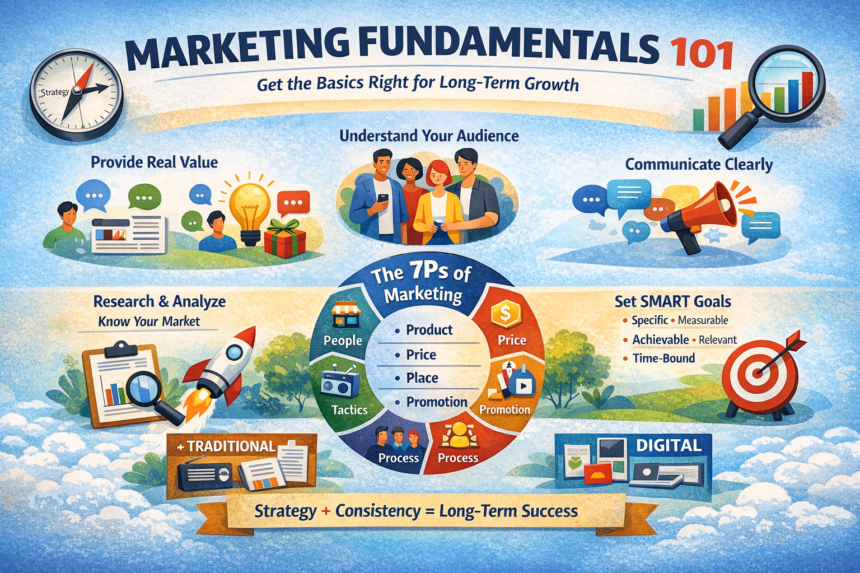
Marketing is not about flashy campaigns or chasing the latest trend; it is about getting the marketing strategy basics right and sticking with them long enough to see real growth. When you understand these fundamentals, every decision you make becomes clearer, more intentional, and far less risky.
Why Marketing Fundamentals Still Matter
Even though tools, platforms, and consumer touchpoints keep changing, human needs and motivations remain surprisingly consistent. The brands that win are the ones that respect these timeless principles instead of gambling everything on quick wins or viral moments.
-
Fundamentals give you a compass, so you make decisions based on strategy, not guesswork or panic moves.
-
They help you build a system where every action compounds over time instead of starting from scratch with every new campaign.
When you get the basics right, growth feels less like a game of chance and more like a steady, predictable process.
What Are Marketing Fundamentals?
Marketing fundamentals 101, Marketing fundamentals are the core principles that guide how a business understands, communicates with, and serves its customers. They sit behind every smart strategy and include understanding your audience, offering real value, and clearly communicating why that value matters.
At a simple level, fundamentals focus on three big questions:
-
Who are your customers and what do they really care about?
-
How does your offer solve their problems or improve their lives?
-
How do you communicate that value so they understand and trust you?
When those questions are answered clearly, you stop guessing and start marketing with intent.
The Core Purpose of Marketing
Marketing fundamentals 101, Strip away the buzzwords and marketing has one primary job: connect the right offer with the right people at the right time. A product has no value until someone actually experiences it and recognizes its usefulness.
Effective marketing helps you:
-
Explain what you offer in a way that feels simple, relevant, and credible to your audience.
-
Build trust through honest, consistent messaging rather than hype or pressure tactics.
-
Guide people toward confident decisions instead of pushing them into uncomfortable purchases.
When marketing is done well, growth comes from genuine interest and loyaltynot from manipulation or short-lived pushes.
Market Research: Your Strategy Safety Net
Trying to build a marketing strategy without research is like driving at night with your headlights off. Research gives you real data instead of assumptions, and that instantly reduces risk.
-
It shows what people want, how they behave, and what actually motivates them to choose one brand over another.
-
It reveals gaps in the market so you do not invest in offers nobody needs or understands.
Good research does not have to be fancy, but it has to be honest. The goal is clarity, not confirmation of what you already believe.
Primary vs Secondary Research
Both primary and secondary research play very different but complementary roles in shaping your strategy.
-
Primary research involves getting direct input from your audience through surveys, interviews, polls, beta tests, or feedback forms.
-
You hear people describe their problems in their own words, which is gold for messaging and positioning.
-
-
Secondary research pulls insights from existing reports, case studies, industry data, articles, and public statistics.
-
It helps you understand market size, trends, and benchmarks without having to collect everything from scratch.
-
Use primary research to get close to your customers and secondary research to see the bigger picture.
Competitor, Industry, and Trend Insights
Your competitors are not just rivals; they are live case studies showing what the market already understands and accepts. If you pay attention, they can teach you a lot.
-
Competitor analysis helps you spot their strengths, weaknesses, and blind spots so you can position your brand differently instead of becoming a copy.
-
Industry and trend tracking show you how preferences, technologies, and expectations are shifting over time.
By staying curious about your space, you avoid being blindsided by change and keep your brand relevant longer.
The 7Ps of Marketing: Your Core Framework
Marketing fundamentals 101, The 7Ps of marketingProduct, Price, Place, Promotion, People, Process, and Physical Evidenceform a practical framework for planning and evaluating your strategy. Originally built around the classic 4Ps, the model expanded to reflect service-focused and customer-centric businesses.
Each P shapes how your offer is designed, sold, delivered, and experienced:
-
Together, they ensure your marketing is not just about promotion, but about the entire end-to-end experience.
-
Revisiting the 7Ps regularly keeps your strategy aligned with what your customers expect.
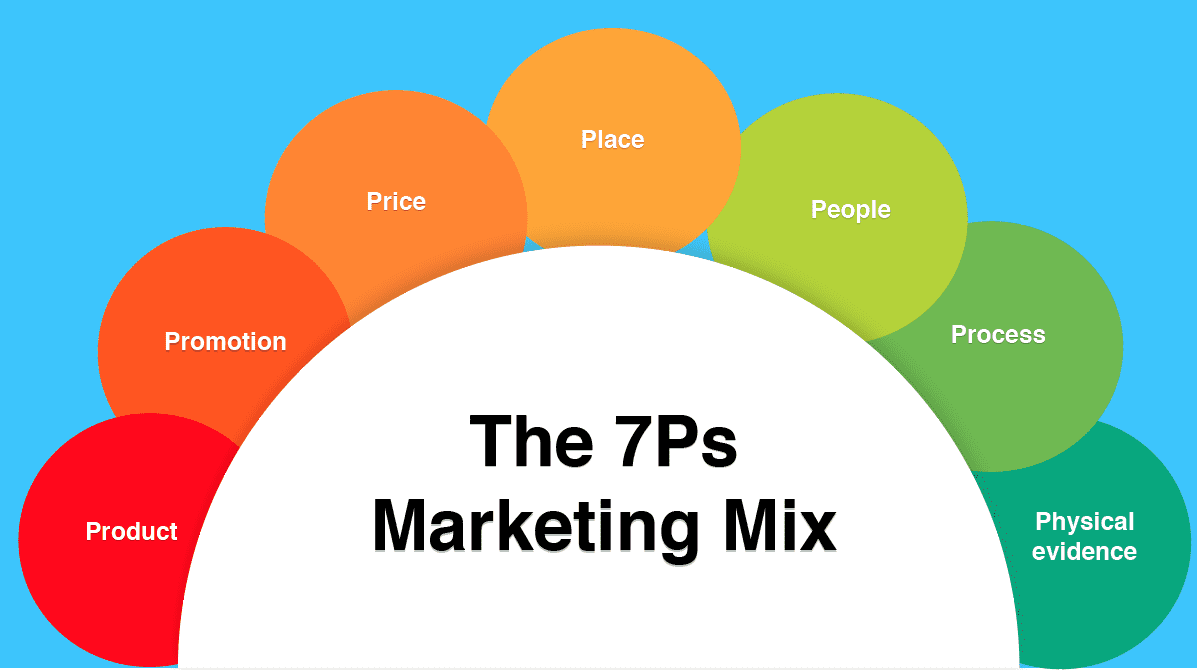
Think of the 7Ps as the control panel for your marketing engine.
1. Product: The Heart of Your Offer
Your product is more than something you sell; it is a solution to a specific problem or a way to deliver a meaningful benefit. If it does not solve anything real, no marketing trick will save it.
Key elements to consider:
-
Features, design, and functionality that genuinely help your customer.
-
Packaging and presentation that match your positioning and audience expectations.
-
Support and after-sales service that make people feel looked after, not abandoned.
A strong product creates word of mouth, reduces refund requests, and makes every campaign more effective.
2. Price: The Story Your Number Tells
Price is not just a number; it is a signal. It shapes how people perceive your quality, positioning, and even credibility.
An effective pricing strategy:
-
Balances profitability with what your target audience is willing and able to pay.
-
Reflects your positioningbudget, mid-range, premium, or penetrative approach.
-
Uses tools like bundles, early-bird offers, or seasonal discounts strategically instead of randomly.
When your price and value line up in your customers mind, the decision to buy feels natural instead of painful.
3. Place: Where Customers Meet Your Brand
Place covers where and how your customers can access your offer, both online and offline. If people cannot find you, they cannot buy from you.
It includes:
-
Physical locations like stores, distributors, and retail partners.
-
Digital channels like your website, marketplaces, apps, and social platforms.
-
Logistics and availabilityhaving the right product in the right place at the right time.
Good distribution makes buying effortless and convenient, which is often the deciding factor between you and your competitors.
4. Promotion: Telling the Right Story
Promotion is how you communicate your value and convince people to pay attention, consider, and eventually choose you. It spans a mix of channels and tactics.
Common promotion tools include:
-
Advertising, content, social media, PR, events, influencer campaigns, and direct outreach.
-
Consistent messaging across all touchpoints so your brand feels familiar and trustworthy wherever people see you.
Promotion should not feel like shouting; it should feel like joining a conversation your audience already cares about.
5. People: The Human Side of Your Brand
People are everyone who represents your brandemployees, sales reps, support agents, and even partners or ambassadors. Customers rarely separate the brand from the people they interact with.
Strong people systems:
-
Ensure your team is trained to provide helpful, polite, and consistent service.
-
Embed your brand values into everyday behavior so customers experience them, not just read about them.
A single positive human interaction can do more for loyalty than an entire ad campaign.
6. Process: How Everything Actually Works
Process covers the systems and workflows that deliver your product or service, from first contact to after-sales support. It is what determines whether your customer journey feels smooth or frustrating.
Good processes:
-
Reduce errors, delays, and friction points that cause customers to drop off or complain.
-
Provide consistent experiences, so buyers know what to expect every time they deal with you.
When your processes are tight, your marketing promises are easier to keepand that builds long-term trust.
7. Physical Evidence: Tangible Proof You Exist
Physical evidence is every tangible or visual cue that proves your brand is real and credible. This matters even in digital-first businesses.
Examples include:
-
Packaging, printed materials, signage, receipts, or store layout.
-
Website design, UX, branding, testimonials, and even the look of your emails.
These cues reassure customers they are dealing with a serious, professional brandnot something thrown together overnight.
Traditional vs Digital Marketing
Marketing fundamentals 101, Traditional and digital marketing share the same objectivereaching people with a compelling messagebut they use very different tools. Most modern brands benefit from using both in a balanced way.
| Aspect | Traditional marketing | Digital marketing |
|---|---|---|
| Main channels | TV, radio, print, outdoor, events | Websites, search, social, email, apps |
| Targeting | Broad, less precise | Highly targeted and personalized |
| Cost | Often higher, fixed buys | More flexible and scalable budgets |
| Measurement | Limited, slower feedback | Real-time analytics and tracking |
| Interaction | Mostly one-way messaging | Two-way, interactive engagement |
Manual (Offline) Marketing: The Human Touch
Manual or offline marketing relies on in-person interaction and physical materials to connect with customers. Think of it as relationship-building in its most direct form.
Typical methods:
-
Flyers, brochures, posters, print ads, and direct mail.
-
Events, trade shows, door-to-door outreach, and personal selling.
Pros:
-
Strong personal connections and trust, especially in local communities.
-
Tangible materials that people can keep and remember.
Cons:
-
Can be expensive and time-consuming to scale.
-
Harder to measure precisely and optimize quickly.
Offline tactics can be powerful when used thoughtfully alongside digital efforts.
Digital Marketing: The Modern Growth Engine
Digital marketing promotes products and services through online channels like search engines, websites, social media, email, and mobile apps. It gives brands real-time visibility into performance and user behavior.
Why it matters so much today:
-
Audiences spend a huge share of their time online, often across multiple devices.
-
Digital campaigns can be highly targeted, measurable, and easily adjusted on the fly.
Done well, digital marketing helps you show the right message to the right person at the right moment, without wasting budget.
Core Components of Digital Marketing
Marketing fundamentals 101, Digital marketing is not a single tactic; it is a mix of complementary channels that work better together than alone.
Search Engine Optimization (SEO)
SEO is the practice of optimizing your website so search engines can understand it and rank it for relevant queries.
-
Benefits: sustainable organic traffic, higher visibility, and greater credibility without paying for every click.
-
Best practices: solid keyword research, optimized titles and headings, quality content, and clean technical setup.
Good SEO acts like a steady stream of interested visitors coming to you instead of you constantly chasing them.
Content Marketing
Content marketing is about creating useful, relevant content that educates, entertains, or inspires your audience.
-
Benefits: positions your brand as a helpful authority and supports SEO, social, and lead generation.
-
Best practices: focus on solving real problems, maintain consistency, and use analytics to refine topics and formats.
Great content makes people come back voluntarily, not just because you are running ads.
Social Media Marketing
Social media marketing uses platforms like Instagram, LinkedIn, Facebook, X, and TikTok to connect with your audience.
-
Benefits: boosts awareness, builds communities, and enables real-time conversations.
-
Best practices: choose platforms your audience actually uses, post valuable content, and monitor performance to improve.
Used wisely, social media becomes a two-way dialogue, not just a broadcast channel.
Email Marketing
Email marketing uses targeted emails to nurture leads, deliver offers, and maintain long-term relationships.
-
Benefits: high ROI, direct access to your audience, and strong potential for repeat business.
-
Best practices: segment your list, personalize messages, test subject lines and calls-to-action, and respect frequency.
A healthy email list is one of the most durable marketing assets a brand can own.
Pay-Per-Click (PPC) Advertising
PPC involves paying each time someone clicks your ad, typically on search engines or social platforms.
-
Benefits: instant visibility, highly targeted campaigns, and measurable ROI.
-
Best practices: detailed keyword research, compelling ad copy, and optimized landing pages with constant testing.
PPC is like a tap you can turn on or off for trafficpowerful when combined with solid conversion funnels.
Affiliate and Influencer Marketing
Affiliate and influencer marketing relies on partners who promote your products to their audiences in exchange for commissions or fees.
-
Benefits: access to new, engaged audiences and borrowed trust from known personalities.
-
Best practices: carefully select partners whose values and audiences match yours and track performance closely.
When done right, it feels like a recommendation, not an ad.
Mobile Marketing
Mobile marketing targets users on smartphones and tablets through apps, SMS, mobile ads, and responsive websites.
-
Benefits: access to users wherever they are, often at high-frequency touchpoints.
-
Best practices: mobile-first design, fast loading, concise messaging, and respectful use of notifications.
If your experience is painful on mobile, you are losing a massive portion of your audience.
Must-Read Books for Marketers
Certain books pack decades of experience into a few hundred pages and can dramatically sharpen your thinking.
-
Influence: The Psychology of Persuasion by Robert Cialdini explains key psychological triggerslike reciprocity and social proofthat shape how people say yes, helping marketers use persuasion ethically.
-
Contagious: How to Build Word of Mouth in the Digital Age by Jonah Berger unpacks why some ideas spread and others do not, offering practical frameworks for creating shareable content.
-
This Is Marketing by Seth Godin emphasizes empathy, storytelling, and long-term relationship building over aggressive push tactics.
These titles help bridge the gap between tactics and deep human understanding.
SMART Goals: Giving Your Strategy Focus
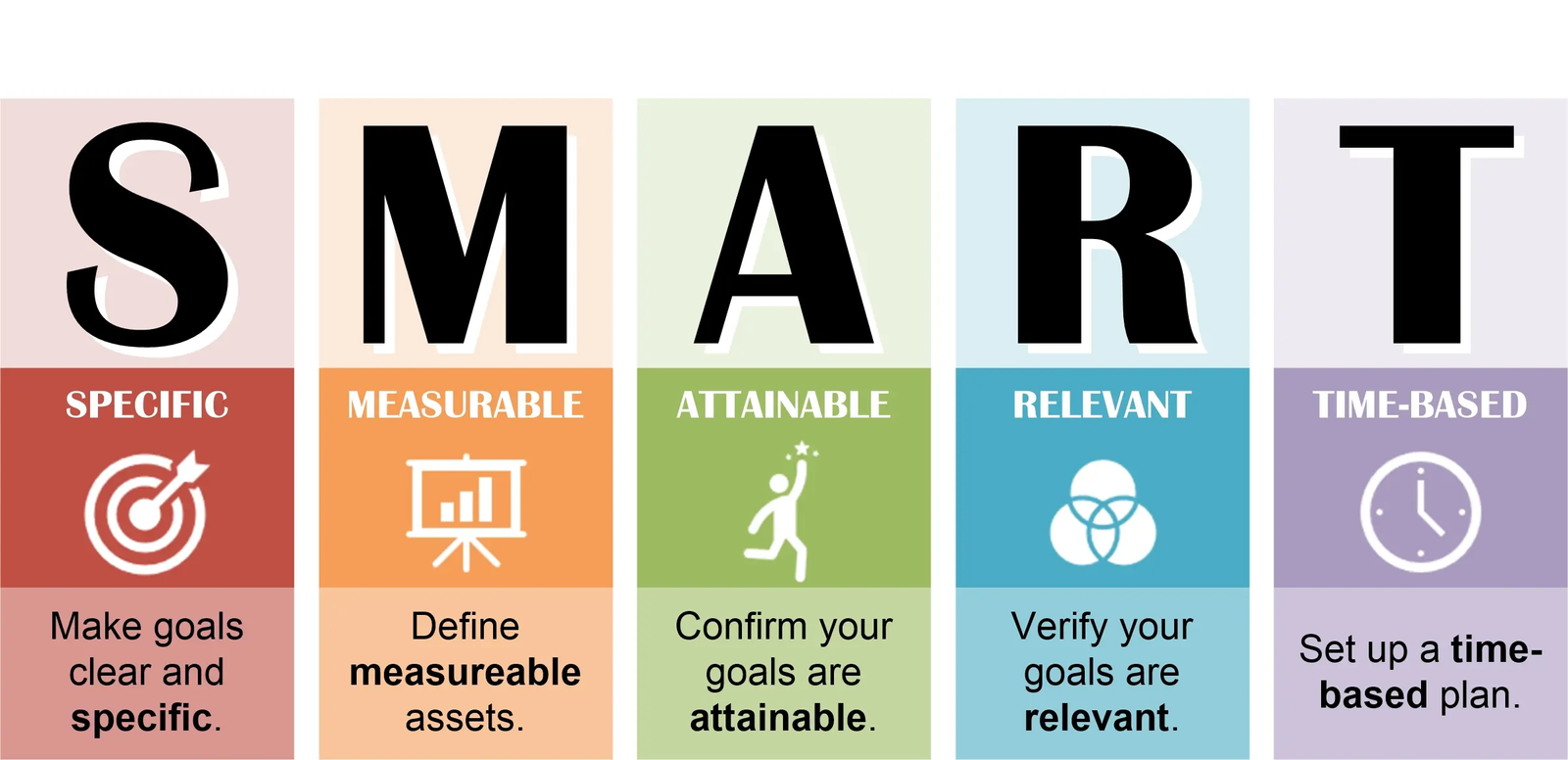
SMART stands for Specific, Measurable, Achievable, Relevant, and Time-bound. It is a simple formula that drastically improves the quality of your marketing objectives.
For example:
-
Increase website traffic by 20% in 6 months is specific and measurable with a clear time frame.
-
Goals should fit your resources and align with broader business priorities to truly be achievable and relevant.
SMART goals turn vague hopes into actionable targets you can plan around and track.
Digital Marketing Strategy: Planning for Results
Marketing fundamentals 101, A strong strategy is more than a to-do list of channels; it is a structured roadmap tying every action to a clear goal. One of the best places to start is with SMART goals.
Key planning components include:
-
Specific, measurable goals.
-
Clear audience definitions and buyer personas.
-
Budget decisions and channel prioritization.
-
Integrated, multi-channel execution and ongoing optimization.
When all of these pieces align, your efforts stop feeling random and start compounding.
Defining Your Target Audience and Buyer Personas
You cannot talk to everyone and hope to be effective. Defining your audience and building detailed personas sharpens your message.
-
Segment by demographics, behavior, needs, and motivations.
-
Turn this into realistic personas with names, goals, pain points, and objections.
When you know exactly who you are talking to, content and offers almost write themselves.
Budget Allocation and Multi-Channel Integration
Your budget is where strategy meets reality. How you allocate it says more about your priorities than your mission statement ever will.
-
Spread your resources across core channels like SEO, content, social, email, and paid media based on goals and ROI potential.
-
Integrate campaigns across channels so messages are consistent and touchpoints reinforce each other, rather than competing.
Tracking performance across channels lets you shift budget toward what works and cut what does not.
Key Trends Shaping Digital Marketing
Marketing is evolving quickly, and a few major trends are reshaping how brands operate.
-
AI and automation streamline tasks like content drafting, ad optimization, and customer support through chatbots and predictive analytics.
-
Personalization tailors experiencesemails, recommendations, and website contentto individual users, boosting engagement and conversions.
-
Short-form and video content on platforms like TikTok, Reels, and Shorts drives high reach and storytelling power.
-
Voice search and conversational marketing are changing how people search and interact, pushing brands to optimize for natural language and real-time chats.
Ignoring these shifts does not stop them; it just leaves you behind.
Creating Your Marketing Strategy Step by Step
A practical strategy usually flows through a series of logical steps. Each one builds on the last.
Core steps include:
-
Define clear, measurable goals using frameworks like SMART.
-
Research and understand your audience, competitors, and market trends.
-
Develop a sharp value proposition and messaging that clearly explains why you are different.
-
Choose channels that match where your audience spends time and how they prefer to interact.
-
Plan execution with responsibilities, timelines, and tools defined in advance.
-
Monitor performance regularly and optimize campaigns based on data, not gut feeling.
A structured process protects you from shiny-object syndrome and keeps everyone aligned.
Common Marketing Strategy Mistakes to Avoid
Even smart brands fall into a few predictable traps.
-
Skipping research and assuming you know the audience, which leads to irrelevant messaging and wasted budget.
-
Ignoring customer feedback from reviews, surveys, support tickets, and social comments, missing clear signals for improvement.
-
Chasing only short-term wins like quick sales spikes or vanity metrics while neglecting brand building and long-term loyalty.
Avoiding these mistakes saves time, money, and frustrationand opens the door to more sustainable growth.
From Fundamentals to Long-Term Growth
Marketing fundamentals 101, When marketing fundamentals are in place, they act like rails guiding your brand toward steady, confident growth. They shape your message, clarify your channels, and keep your goals grounded in reality rather than wishful thinking.
Each elementfrom research to the 7Ps, from digital tactics to strategic planningworks together like parts of a well-tuned machine. With a clear structure and consistent execution, your strategy stops being a collection of isolated campaigns and becomes a long-term growth engine.
Similar Articles: Top 10 Branding Tips to Make Your Brand Building 2025
Conclusion
Marketing fundamentals 101, Marketing fundamentals are not nice to have; they are the foundation that supports every tactic, trend, and experiment you use. When you understand your audience, refine your offer, apply the 7Ps, and build a structured digital strategy, you turn marketing from a gamble into a disciplined, repeatable process.
Brands that respect the basics, test thoughtfully, and adapt with intention are the ones that grow steadilyeven when markets shift, channels evolve, and algorithms change.