
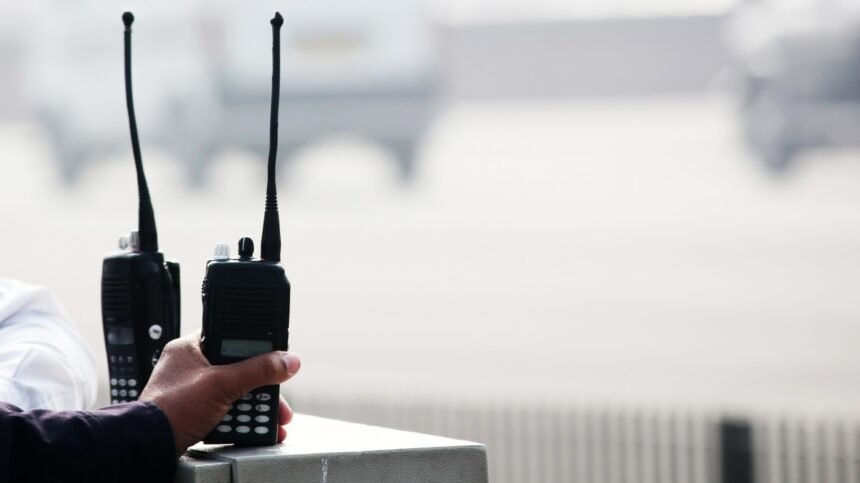
When you think of walkie-talkies, it probably takes you back to childhood adventures or maybe those intense action movies where security personnel communicate seamlessly. But in real life, using a walkie-talkie isnt as simple as turning it on and chatting awayespecially in India. While these devices are legal, their usage is strictly governed by telecom laws, and in many cases, a walkie talkie license in India may be required depending on the frequency band and power output. Understanding the walkie talkie license India requirements, along with where licence-free usage is permitted, can help users stay compliant with government regulations.
The Legal Groundwork: How India Regulates Walkie-Talkies
Indias communication network isnt the Wild West theres a tightly organized system governing every form of wireless transmission. Walkie-talkies fall squarely under that umbrella, meaning you cant just use any model on any frequency.
The main goal of these regulations? To avoid interference with important services like police, defence, broadcasting, and aviation while maintaining national security.
Key laws you should know include:
-
The Indian Telegraph Act, 1885 Gives the government control over all telecommunication systems and their regulation in India.
-
The Indian Wireless Telegraphy Act, 1933 Makes it mandatory to have a license for possessing or operating wireless equipment (unless officially exempted).
-
Exemption from Licensing Rules Defines specific low-power, short-range radio frequencies that the general public can use without a license.
The Wireless Planning & Coordination (WPC) Wing, under the Department of Telecommunications (DoT), is the official authority managing spectrum allocation, licensing, and approval of wireless devices across India.
Why India Takes Walkie-Talkie Regulation Seriously
Walkie talkie rules in India, Why does the government care so much about what looks like a harmless communication gadget? Because unregulated frequencies can wreak havoc on critical communication networks. Imagine someone unknowingly using a frequency that overlaps with police or air traffic control thats a disaster waiting to happen!
By ensuring that all radio communication happens within designated frequency bands, the government keeps national and public safety intact.
Licence-Free vs Licensed Walkie-Talkies: Whats the Difference?
Walkie-talkies in India fall into two main categories licence-free and licensed devices. The difference determines how much freedom you have while using them.
Licence-Free Walkie-Talkies
These are the everyday, consumer-friendly devices most people use for events, hotels, or small businesses.
Key features include:
-
No need for a personal operating license if they run within approved frequencies and power limits.
-
Typically use 446 MHz (PMR446) or 865867 MHz frequency bands.
-
Work perfectly for short-range communication usually between 200 meters to 2 km, depending on surroundings.
-
Used in events, schools, apartments, warehouses, and local businesses.
Licensed Walkie-Talkies
These are more powerful and professional-grade radios used by large organizations that need dedicated, interference-free communications.
Important traits:
-
Operate on assigned VHF or UHF frequencies approved by the WPC.
-
Require a formal wireless operating license.
-
Common among security firms, factories, logistics companies, and government departments.
-
Offer extended range and privacy compared to licence-free models but involve annual fees and compliance audits.
If youre caught operating licensed frequencies without government authorization, you risk severe penalties including confiscation of your equipment and possible prosecution.
Understanding Licence-Free Frequency Bands in India
Walkie talkie rules in India, If youre just a casual user or a small business owner, licence-free walkie-talkies are your safest bet. But its crucial to understand the technical limits these devices must follow.
Approved licence-free frequency bands include:
| Frequency Range | Purpose | Power Limit |
|---|---|---|
| 446.0446.2 MHz | Personal Mobile Radio (PMR) | Up to 0.5 W ERP |
| 865867 MHz | Short Range Devices (SRDs) | Up to 1 W ERP |
These frequencies are shared and non-protected, meaning theres no guarantee against interference from others using the same band.
When buying one, always ensure your device stays within these ranges its like making sure youre driving on the right side of the road.
How to Choose the Right Walkie-Talkie in India
Not all walkie-talkies sold online are compliant. Some imported models can operate on restricted frequencies, which could get you into legal trouble. Follow these simple guidelines before purchasing:
-
Look for compliance labels stating Licence-Free in India or WPC Approved.
-
Verify that the user manual lists the correct frequencies (446 MHz or 865867 MHz).
-
Avoid products that claim long-range (10 km or more) reach these usually use higher power output, which isnt allowed for licence-free use.
-
For business operations, consider seeking professional advice or consulting DoTs official portal.
WPC and ETA: The Backbone of Legal Compliance
Walkie talkie rules in India, Two terms you often hear with radio communication equipment are WPC License and ETA (Equipment Type Approval). These might sound similar, but they serve different purposes.
A. Equipment Type Approval (ETA)
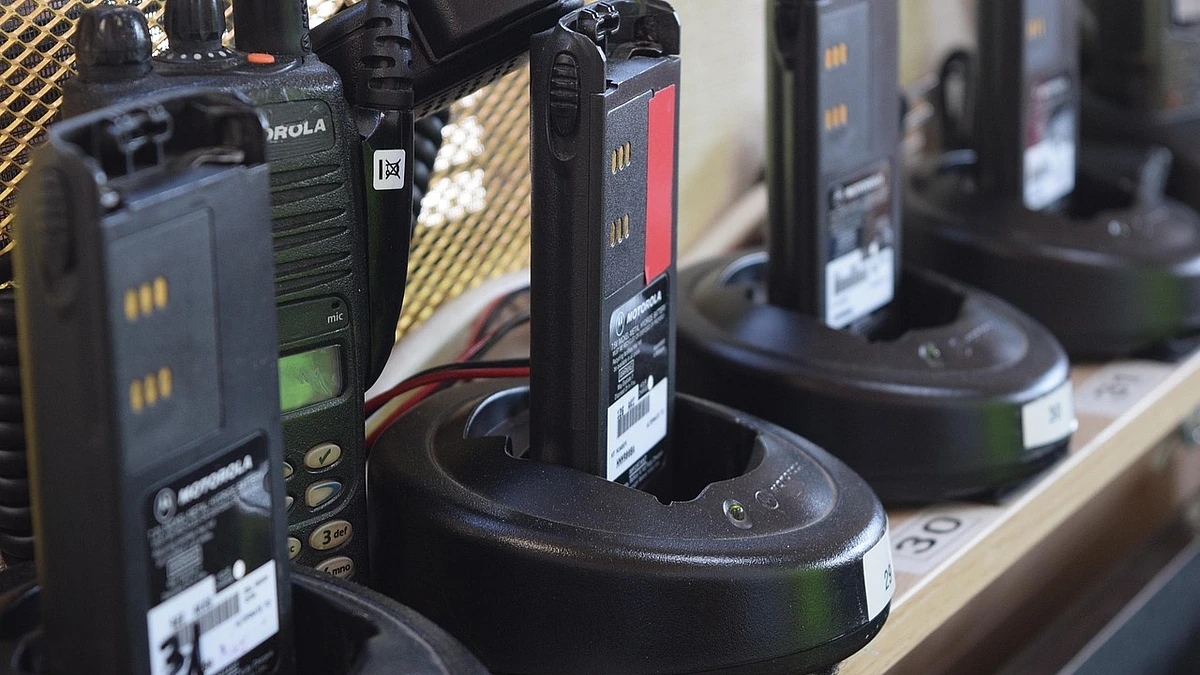
ETA ensures that your walkie-talkie meets Indian technical and frequency standards before its sold or imported.
Manufacturers or importers apply for ETA through the WPC Online Portal (Saral Sanchar). They must submit:
-
RF test reports (from NABL-accredited labs).
-
Technical documentation and datasheets.
-
Proof that the device operates only in permitted bands and under specified power limits.
Once approved, the product can legally enter the Indian market.
B. WPC Operating License
An operating license is required for entities using licensed frequencies like industries with high-security communication needs. Applicants must provide:
-
Equipment details (model, frequency, RF power).
-
Geographic area of operation.
-
Technical and site clearance forms.
Once granted, it remains valid for a specific time and region and needs periodic renewal.
The Reality of Buying Walkie-Talkies Online
Youve probably seen countless listings for cheap walkie-talkies on e-commerce sites some promising a staggering 10 km range. Sounds attractive, right? But many of those are non-compliant imports.
Indian authorities have cracked down on this. Sellers now must:
-
Declare the frequency, power output, and licensing status clearly.
-
List only devices approved under Indian telecom laws.
-
Remove non-compliant listings as per the Consumer Affairs and DoT guidelines.
Before purchasing:
-
Stick to reputable Indian brands or certified distributors.
-
Retain invoices and compliance certificates.
-
Avoid shady online listings that lack technical transparency.
Common Mistakes Users Make And How to Avoid Them
Even with the best intentions, users often make costly mistakes. Here are some you should avoid:
-
Using unauthorised frequencies manually programming your radio to operate outside the licence-free band.
-
Interfering with emergency channels could disrupt communications for police or medical services.
-
Using high-power or imported military-grade radios illegal without special permission.
-
Ignoring WPC certification buying imported models without ETA can lead to seizure at customs.
Good practices include proper training, labeling equipment, and keeping communication succinct and professional.
Penalties for Misuse Dont Risk It!
Operating walkie-talkies illegally isnt a light offense. Authorities can take swift action under both the Telegraph Act and Wireless Telegraphy Act.
Penalties may include:
-
Confiscation of your devices.
-
Hefty fines depending on the extent of the violation.
-
Possible legal prosecution for unauthorized possession or operation.
-
Revocation of ETA or organizational license, which can halt business operations entirely.
If youre unsure about the legal status of your device, always check through official DoT/WPC resources or consult a certified telecom compliance expert.
Why Complying Makes Life Easier
Following the rules might sound tedious, but it pays off. Using authorised devices keeps your communication secure, prevents interference, and avoids legal headaches.
Think of it this way you wouldnt drive without a license or helmet, right? Using a compliant walkie-talkie is just as important for safe and responsible communication.
Read More: Are Walkie Talkies Legal in India? Heres Everything You Need to Know
Conclusion
Walkie talkie rules in India, Walkie-talkies are completely legal in India but only if you follow the playbook. Whether youre using them at a school event, in a security team, or managing logistics, its crucial to operate within approved frequencies and power limits.
Compliance ensures you stay connected without disrupting critical services or breaking the law.
When in doubt, always verify your devices specifications against official DoT notifications or visit the WPCs Saral Sanchar portal for up-to-date licensing guidelines.