
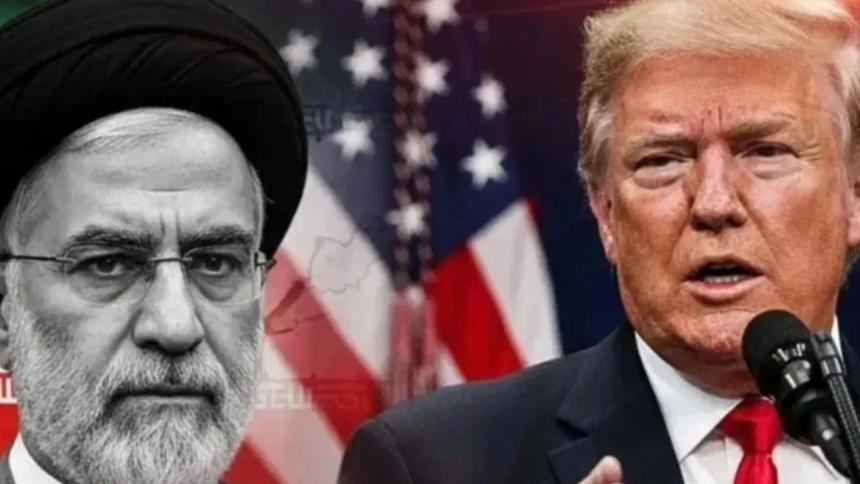
US Iran Ceasefire, After weeks of escalating violence, missile strikes, and rising global anxiety, the announcement of a two-week ceasefire between the United States and Iran sounded like a much-needed breather. But let’s be honest—does it really feel like peace, or just a pause before the next storm?
On paper, the agreement looks promising. In reality, it’s fragile, complicated, and full of loopholes. And right at the center of this uncertainty lies one volatile hotspot: Lebanon.
A Ceasefire Born Out of Chaos
The recent conflict between United States, Iran, and Israel has shaken the region. Airstrikes, drone attacks, and missile launches disrupted not just military targets but also critical infrastructure across the Middle East.
The ceasefire, announced by Shehbaz Sharif, aims to halt hostilities for two weeks. Talks are expected to follow in Islamabad, with hopes of shaping a longer-term peace deal.
But here’s the catch—agreements are only as strong as the willingness of all parties to follow them.
The Core Problem: Not Everyone Is on the Same Page
US Iran Ceasefire, While Iran has pushed for a complete halt to military actions across the region, Israel has drawn a clear line. Prime Minister Benjamin Netanyahu openly stated that the ceasefire does not apply to Lebanon.
That’s a major red flag.
Think of it like agreeing to stop a fight—except one person keeps throwing punches in another room. How long before the whole thing explodes again?
Why Lebanon Matters So Much
Lebanon isn’t just another location in this conflict—it’s a critical battleground. Israel’s ongoing military operations there target Hezbollah, a powerful Iran-backed group.
For Iran, Hezbollah isn’t just an ally—it’s a key part of its regional influence. So any attack on Hezbollah is seen as an attack on Iran’s broader strategic network.
That’s why Lebanon could easily become the trigger that shatters the ceasefire.
Israel’s Military Strategy in Lebanon
Back in early March, Israeli forces launched a ground offensive into Lebanon. Their goal? Establish a buffer zone reaching the Litani River to prevent Hezbollah attacks.
From Israel’s perspective, this is about national security. Hezbollah has long been seen as a serious threat, capable of launching rockets deep into Israeli territory.
But from Iran’s viewpoint, this is unacceptable aggression.
And when two sides see the same action in completely different ways, conflict becomes almost inevitable.
The Human Cost of the Conflict
US Iran Ceasefire, Behind all the geopolitical chess moves, there’s a devastating human toll. According to reports, Israeli strikes in Lebanon have killed over 1,500 people and displaced more than 1.2 million.
Entire communities have been uprooted. Families have lost homes, livelihoods, and loved ones.
So while leaders debate ceasefires and strategies, ordinary people are paying the highest price.
Iran’s Conditions: A Deal With Strings Attached
Iran has laid out a 10-point proposal as part of the ceasefire framework. One key demand stands out: an end to attacks on all its allied groups, including Hezbollah.
Iran’s Supreme National Security Council emphasized stopping the war against what it calls the “Axis of Resistance.”
This network includes several groups across the Middle East that Iran supports politically and militarily.
So if Israel continues targeting Hezbollah, Iran could argue that the ceasefire terms are being violated—and walk away from the deal entirely.
A Deep Trust Deficit
Let’s talk about trust—or rather, the lack of it.
Even before this ceasefire, negotiations between the US and Iran were shaky. According to Fareed Zakaria, the US had previously launched strikes during ongoing talks.
That kind of move doesn’t exactly build confidence.
So now, even if both sides say they want peace, there’s always that lingering doubt: Will the other side stick to the deal?
Warning Signs Already Emerging
Almost immediately after the ceasefire announcement, reports of missile alerts surfaced in multiple countries, including the UAE, Saudi Arabia, and Bahrain.
There were even incidents of infrastructure damage, like a gas facility fire in Abu Dhabi.
That’s not exactly the calm you’d expect during a ceasefire, right?
These early signs suggest that tensions are still simmering just beneath the surface.
Global Reactions: Skepticism and Caution
US Iran Ceasefire, The international community isn’t entirely convinced either.
For instance, the Indian Embassy in Tehran issued an advisory urging its citizens to leave Iran quickly—even after the ceasefire was announced.
That tells you something.
When governments are still preparing for the worst, it’s hard to believe the situation is truly under control.
Lebanon: The Ultimate Test
At the heart of it all, Lebanon remains the biggest wildcard.
If Israel continues its operations and Hezbollah retaliates, Iran could step back into direct confrontation. And just like that, the fragile ceasefire could unravel.
It’s like trying to hold together a cracked glass—it might stay intact for a while, but one small pressure point can shatter it completely.
What Happens If the Ceasefire Collapses?
If the ceasefire breaks down, the consequences could be severe.
Iran has already hinted at targeting Gulf energy infrastructure and shipping routes like the Strait of Hormuz. That’s a critical artery for global oil supply.
Any disruption there could send shockwaves through the global economy—rising oil prices, market instability, and widespread uncertainty.
In other words, this isn’t just a regional issue—it’s a global one.
Read More: Iran Escalation Trap: How Tehran Outmaneuvered the US in a High-Stakes War
Conclusion
So, will the US Iran ceasefire last the full two weeks?
Honestly, it’s hard to say. Too many variables are in play, and too many interests are clashing.
The situation in Lebanon, Israel’s ongoing military actions, and Iran’s firm stance on protecting its allies all point toward a fragile and uncertain future.
Peace, in this case, feels less like a destination and more like a temporary توقف—a pause in a much longer conflict.
As the world watches closely, one question lingers: is this ceasefire a genuine step toward peace, or just a strategic timeout?
Only time will tell. But if history has taught us anything, it’s that unresolved tensions don’t just disappear—they wait for the right moment to resurface.
And right now, all eyes are on Lebanon.