
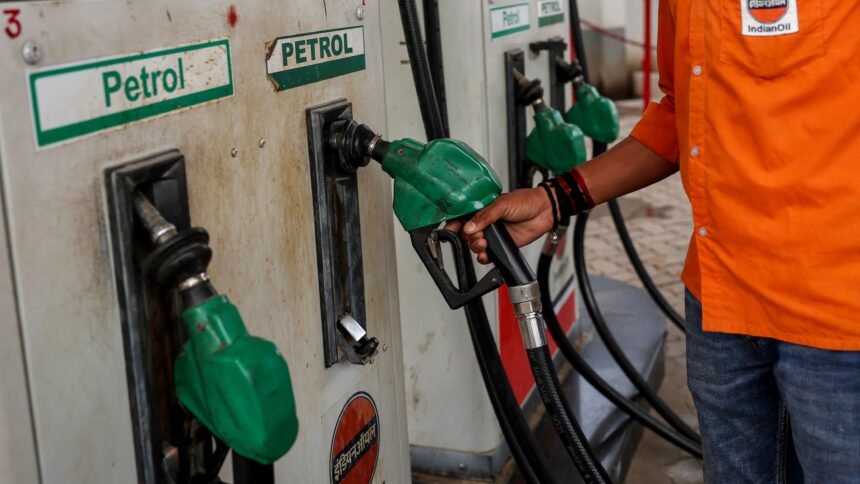
Petrol Price Today, If you’ve been keeping an eye on fuel prices lately, you might be wondering—why are petrol and diesel rates in India holding steady even when global oil markets are in turmoil? It almost feels like watching a storm rage outside while your room stays perfectly calm. But is that calm real, or just temporary?
Let’s break it all down in a simple, engaging way so you know exactly what’s happening with fuel prices on 20 March, why they’re stable, and what it means for you.
Fuel Prices in India Today: What’s the Big Picture?
On 20 March, petrol and diesel prices across India have largely remained unchanged. This continues a trend we’ve seen for weeks now—minimal movement in retail fuel rates despite rising global crude oil prices.
Sounds surprising, right?
Globally, crude oil prices are climbing due to geopolitical tensions. Yet, in India, the prices at the pump aren’t reflecting that surge—at least not yet.
City-Wise Petrol and Diesel Prices on 20 March
Let’s take a quick look at what you’re actually paying in major cities today:
-
Delhi: Petrol ₹94.77 | Diesel ₹87.67
-
Mumbai: Petrol ₹103.54 | Diesel ₹90.03
-
Kolkata: Petrol ₹105.45 | Diesel ₹92.02
-
Chennai: Petrol ₹100.84 | Diesel ₹92.39
-
Hyderabad: Petrol ₹107.46 | Diesel ₹95.70
-
Bengaluru: Petrol ₹102.96 | Diesel ₹90.99
-
Lucknow: Petrol ₹94.69 | Diesel ₹87.81
-
Ahmedabad: Petrol ₹94.49 | Diesel ₹90.17
Now here’s the interesting part—these prices have barely budged, even as global markets remain highly volatile.
Why Are Fuel Prices Different in Every City?
Ever noticed how petrol costs more in Mumbai than in Delhi?
That’s not random.
Fuel prices vary from city to city mainly because of state taxes (VAT), transportation costs, and local levies. Think of it like ordering the same product online but paying different delivery charges depending on your location.
Global Oil Market Turbulence: What’s Really Happening?
Here’s where things get intense.
Petrol Price Today, The ongoing conflict involving the United States, Israel, and Iran has now entered its third week. It started with coordinated strikes on Iran, followed by retaliatory attacks on US military bases in the Middle East.
This isn’t just political drama—it directly impacts oil supply.
As tensions rise, Brent crude prices have surged close to $108 per barrel, shaking global energy markets.
The Strait of Hormuz Crisis: Why It Matters
Now imagine a narrow sea route through which a significant portion of the world’s oil passes. That’s the Strait of Hormuz.
Due to the conflict, shipments through this crucial passage have been severely disrupted. It’s like blocking a major highway during rush hour—everything slows down, and prices go up.
So Why Aren’t Fuel Prices Rising in India?
Here’s the million-dollar question.
If global oil prices are rising, why aren’t Indian consumers feeling the heat?
The answer lies in what experts call a “shock absorber mechanism.”
Understanding India’s “Shock Absorber” Strategy
Instead of passing on every global price increase to consumers immediately, India uses a buffering system.
Oil Marketing Companies (OMCs) absorb part of the cost temporarily. This keeps retail prices stable—even when crude oil becomes expensive.
Think of it like a pressure cooker with a safety valve. The pressure builds, but it doesn’t explode instantly.
Who Controls Fuel Prices in India?
Fuel pricing isn’t random—it’s managed by three major players:
-
Indian Oil Corporation (IOC)
-
Bharat Petroleum Corporation Limited (BPCL)
-
Hindustan Petroleum Corporation Limited (HPCL)
These companies revise fuel prices daily at 6 AM, based on:
-
Global crude oil prices
-
Rupee vs US dollar exchange rate
-
Central and state taxes
Daily Price Revision: How It Works
Petrol Price Today, Every morning at 6 AM, fuel prices are updated. But here’s the catch—not every update leads to a price change.
If global fluctuations are small or absorbed internally, prices stay the same. That’s exactly what we’re seeing right now.
The Hidden Trade-Off: Stability Comes at a Cost
Now, before you celebrate stable fuel prices, there’s something important to understand.
This buffering system isn’t free.
When OMCs absorb rising costs, their margins take a hit. Over time, this can lead to:
-
Sudden price hikes later
-
Financial strain on oil companies
-
Government intervention if needed
So yes, stability today might mean adjustments tomorrow.
How Do Fuel Prices in India Compare Globally?
Let’s zoom out for a moment.
In the United States, petrol prices have already reacted sharply. A gallon of regular petrol has jumped from $2.94 in February to $3.5 now—a 20% increase.
That’s a direct reflection of global crude price changes.
India, on the other hand, is taking a slower, more controlled approach.
What Should Consumers Expect Next?
So, what’s coming next?
If global tensions continue and crude prices stay high, India may eventually adjust fuel prices upward. The current stability might not last forever.
Ask yourself—can a lid stay on boiling water indefinitely?
Probably not.
Why This Matters for You
Fuel prices don’t just affect your daily commute. They impact:
-
Transportation costs
-
Food prices
-
Inflation
-
Overall household expenses
In short, when fuel prices move, the entire economy feels it.
Read More: Sensex Today News: Market Rebounds After Crash – What Investors Should Know
Conclusion
Petrol Price Today, India’s fuel prices feel like the eye of a storm—calm, controlled, and stable. But globally, the winds are getting stronger.
The government and oil companies are doing their best to shield consumers, but this balance is delicate. If global pressures continue, price adjustments may be inevitable.
So, while you’re enjoying stable fuel rates today, it’s wise to stay prepared for what might come next.
Fuel prices may seem like just numbers on a board, but they tell a much bigger story—one of geopolitics, economics, and strategic decision-making.
Keeping yourself informed isn’t just smart—it’s necessary.
Because when the next price change comes, you won’t be caught off guard.