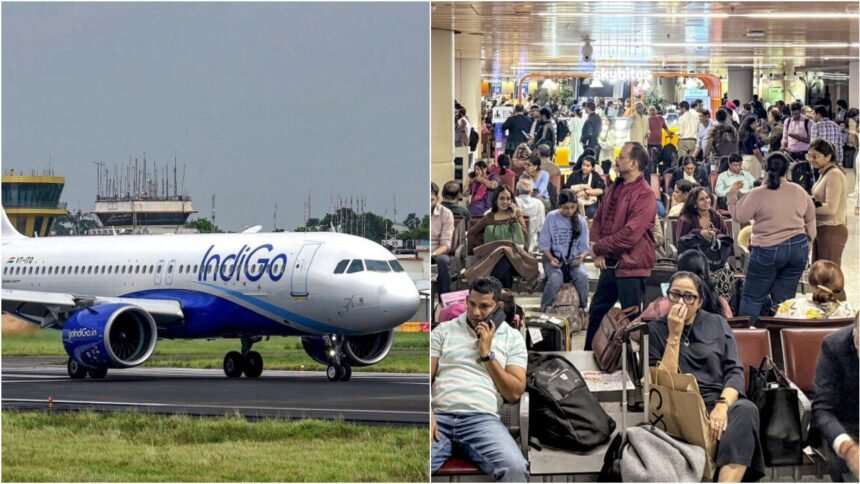
If you were planning to fly with IndiGo recently, you probably experienced the frustration of IndiGo flight cancellations and IndiGo flight delays. Over the past couple of days, Indias largest airline has faced unprecedented disruption, leaving hundreds of passengers stranded and schedules in disarray. But whats behind all this chaos? Lets take a closer look at the tangled mix of new regulations, technology glitches, and operational challenges that have thrown IndiGo off course.
Massive Flight Cancellations Shake the Skies
On Wednesday, IndiGo canceled at least 150 flights. By Thursday, the number skyrocketed to around 250. Airports across the countryDelhi, Hyderabad, Mumbai, Bengaluruwitnessed unprecedented cancellations. Delhi alone saw 33 flights scrapped, Hyderabad 68, Mumbai 85, and Bengaluru 73. These figures paint a grim picture for travelers already juggling tight schedules.
Dropping On-Time Performance (OTP)
The airlines punctuality took a nosedive. IndiGos on-time performance (OTP) plunged to 19.7% on Wednesday, a dramatic fall from 35% the previous day. For a carrier usually boasting 80%+ OTP, this is an alarming drop, triggering frustration for both passengers and industry watchers.
What IndiGo Says About the Chaos
In a statement, IndiGo called the cancellations calibrated adjustments and promised that these measures would continue for 48 hours to stabilize operations. The airline also assured passengers that alternate travel options or refunds would be provided. But for travelers on the ground, words offered little comfort amid confusion at check-in counters.
The Role of Flight Duty Time Limitations (FDTL)
IndiGo flight cancellations, One of the major culprits behind the disruption is the updated Flight Duty Time Limitations (FDTL) rules implemented in two phasesJuly 1 and November 1. These rules aim to combat pilot fatigue by increasing weekly rest periods to 48 hours, extending night hours, and limiting night landings from six to two. While beneficial for safety, these new regulations have created scheduling headaches for airlines.
Technology Glitches Complicate Things
Adding fuel to the fire, an emergency Airbus A320 software patch applied over the November 29-30 weekend disrupted crew scheduling. Combined with minimal operational slack due to FDTL rules, this glitch amplified delays and cancellations. Passengers reported missed connections and long waits at check-in counters, escalating frustration.
Weather and Airport Congestion Worsen the Situation
Technology and regulations aside, Mother Nature and airport congestion played their part. Unpredictable weather events and crowded terminals compounded the chaos, making it even harder for IndiGo staff to stabilize schedules.

Baggage Systems Fail at Key Airports
Even baggage handling wasnt spared. Delhis Terminal 1 and Terminal 3 faced significant issues, leaving travelers stranded and flights delayed further. For passengers, this was a double whammy: missed flights and lost luggage.
Industry Response: Pilots Speak Up
The Airline Pilots Association of India, representing over 800 pilots, criticized dominant carriers like IndiGo for a failure of proactive resource planning. Experts echoed concerns that the airlines reliance on night flights now clashes with stricter rest rules, making scheduling even more complex.
DGCA Investigates the Crisis
The Directorate General of Civil Aviation (DGCA) has taken notice. Authorities summoned IndiGo to present facts behind the cancellations and plans to mitigate ongoing delays. This intervention underscores the seriousness of the situation and the need for regulatory oversight in ensuring passenger safety.
IndiGo Fleet and Operations Overview
With a fleet of 416 aircraft366 in operationIndiGo handles 2,200-2,300 daily flights to over 90 domestic and 45 international destinations. Even with such capacity, the combination of FDTL rules, technology issues, and congestion has strained operations to the breaking point.
Aviation Analysts Weigh In
Ameya Joshi, an aviation analyst, points out that IndiGos heavy night operations make it particularly vulnerable to the new FDTL norms. While the airline is the largest in India, its extensive schedule now requires careful planning to align with pilots mandatory rest periods.
Lessons from the Skies
The recent turbulence in IndiGos operations is a wake-up call for airlines and passengers alike. Regulatory changes, tech glitches, and operational planning must work in harmony to prevent such widespread disruptions. For travelers, staying informed, flexible, and patient is key. As IndiGo works to stabilize its network, passengers can only hope for smoother skies ahead.
Read More: Airbus A320 Software Update: How American, United & Alaska Airlines Are Handling the Disruption
Conclusion
IndiGo flight cancellations, Air travel is a delicate dance of people, machines, and regulations. IndiGos current crisis highlights how a misstep in one element can ripple across the entire system. While the airline takes steps to recover, this episode will likely prompt long-term changes in operational planning and technology integration. For passengers, its a reminder that flying, despite being routine, still carries a hint of unpredictability.