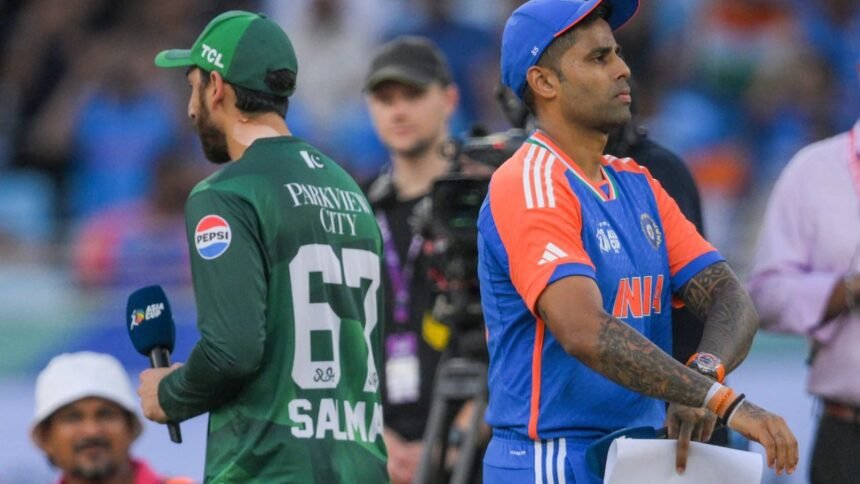
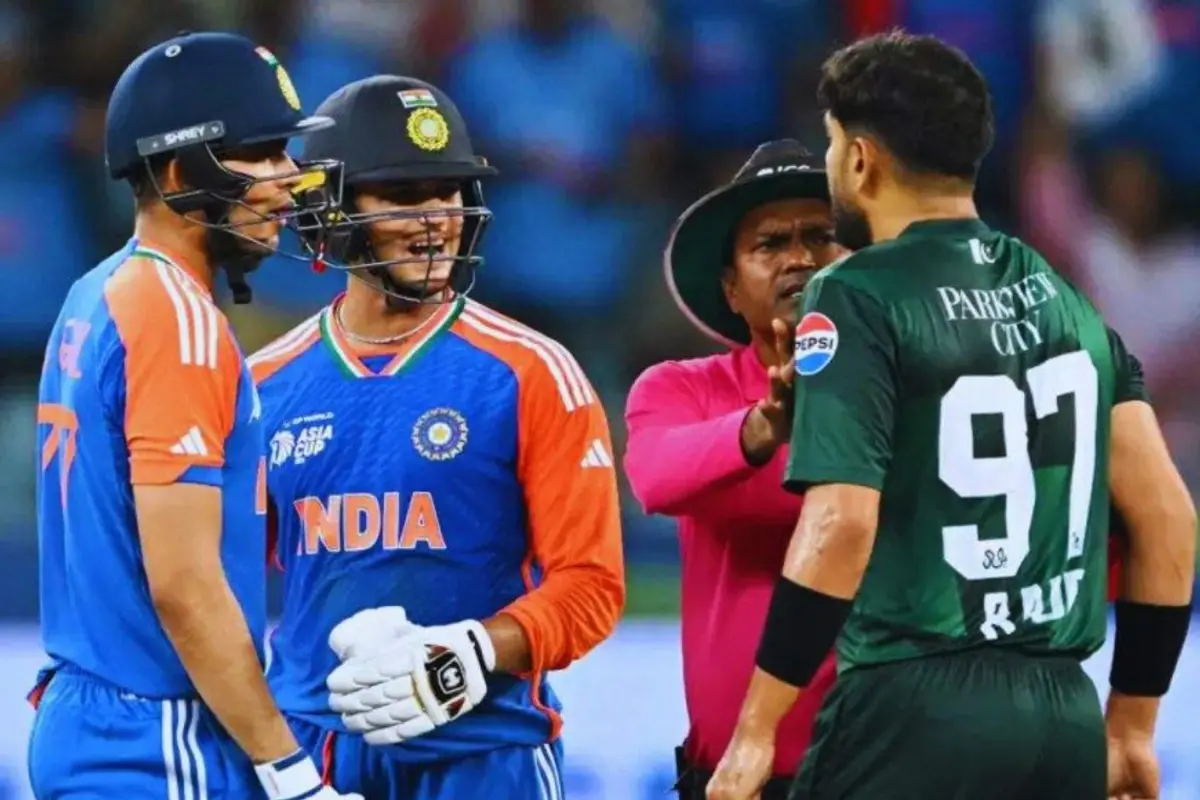
India vs Pakistan T20 World Cup 2026, The India vs Pakistan T20 World Cup showdown is back on the cards. After days of drama, politics, and behind-the-scenes negotiations, Pakistan has softened its stance and is set to play India on February 15 in Colombo, according to sources close to the developments.
The India vs Pakistan match February 15, 2026 in Colombo is expected to draw massive global attention due to the intense rivalry, political backdrop, and its significance in the ICC T20 World Cup 2026.
So what really happened? Why did Pakistan threaten a boycott, and what brought them back to the table? Let’s break it all down.
The Match That Almost Didn’t Happen
The India vs Pakistan T20 World Cup match scheduled for February 15, 2026, in Colombo was nearly called off. The Pakistan Cricket Board (PCB) had initially decided to boycott the Group A game in protest, standing in solidarity with Bangladesh.
Bangladesh had been removed from the tournament after refusing to travel to India for their scheduled matches. Pakistan stepped in to support Bangladesh’s stance, and the situation quickly escalated into a full-blown international cricket and diplomatic issue.
For fans across the world, it felt like one of the biggest fixtures in world cricket was slipping away before a ball was even bowled.
Why Pakistan Threatened A Boycott
So, why did Pakistan decide to pull out in the first place?
Pakistan’s original decision to boycott wasn’t just about one match. It was linked to:
-
Bangladesh being removed from the T20 World Cup after refusing to play in India.
-
Political and human rights concerns raised by Bangladesh over conditions impacting minorities.
-
A broader sense of “cricketing brotherhood” between Pakistan and Bangladesh.
Pakistan’s government even made it official on its X (formerly Twitter) handle, declaring that the national team would not participate in the February 15 clash against India. Prime Minister Shehbaz Sharif framed the decision as an act of solidarity with Bangladesh.
In short, it wasn’t just about sport. It was politics, diplomacy, and principle—rolled into one.
The Turning Point: High-Level Talks In Lahore
India vs Pakistan T20 World Cup 2026, Behind the scenes, though, cricket boards and the ICC were scrambling to find a solution.
On Sunday, a crucial meeting took place in Lahore. The key figures involved were:
-
Imran Khawaja, ICC Deputy Chairman
-
Mohsin Naqvi, PCB Chairman
-
Aminul Islam, BCB President
The main agenda: Pakistan’s decision to boycott the India match and the wider fallout of Bangladesh’s exit from the tournament.
Pakistani media reported that these negotiations were “lengthy” but productive, with all sides working towards a mutually agreeable roadmap. Sources indicated that the dispute was close to being resolved through “mutual consultation,” with final touches expected within hours.
This meeting set the stage for Pakistan’s major U-turn.
PCB’s U-Turn: Match Back On, But No Official Announcement Yet
Even though sources have confirmed that Pakistan will play India in Colombo on February 15, the PCB is still publicly cautious.
PCB chief Mohsin Naqvi has not yet officially declared the decision. According to reports:
-
Naqvi insisted that negotiations with the ICC are still ongoing.
-
He said a final call would only be made after consulting Prime Minister Shehbaz Sharif.
-
Naqvi was scheduled to brief Sharif on the latest situation on Monday.
Speaking to reporters, Naqvi said:
“We have had discussions with them. It would not be right for me to make any comments right now. Once we get their response, we will decide. We will go back to the PM for advice once the ICC replies.”
He added that an official announcement would come “tomorrow or the day after tomorrow,” carefully avoiding confirming that a U-turn had already been taken.
In other words, everyone knows where this is heading—but the PCB wants to control the timing and optics of the decision.
The Demands PCB Placed Before ICC
India vs Pakistan T20 World Cup 2026, Pakistan didn’t just walk back its boycott for free. The PCB went into negotiations with a list of demands for the ICC.
According to sources, the PCB asked for:
-
Resumption of a bilateral series between India and Pakistan.
-
Launch of an India–Pakistan–Bangladesh tri-series.
-
A guarantee that India would tour Bangladesh in 2026.
These were big asks, especially given the sensitive political and diplomatic relationship between India and Pakistan.
However, the ICC, led by Jay Shah in his capacity in the global cricket administration, rejected these three key demands.
That refusal makes Pakistan’s U-turn even more significant: they have reportedly agreed to play India without getting their top conditions accepted.
PCB’s Official Stand: Playing It Safe Publicly
Publicly, the PCB is still treading very carefully.
Naqvi refused to acknowledge that a U-turn decision had already been made. Instead, he highlighted Pakistan’s emotional and moral support for Bangladesh:
“Regarding the Bangladesh issue, at that time, we were not going to let their point of view slide. They are our brothers, and the entire situation was right there in front of you.”
He went on to say that talks were still “in progress” and avoided going into detail:
“I think the ICC and the Bangladesh Board are in a phase where it wouldn’t be appropriate for me to comment. I am personally waiting; as soon as any information comes from their side, we will inform you immediately.”
In essence, PCB’s official stance is: discussions are still ongoing, and nothing will be confirmed until all parties have finalised the terms and the Prime Minister signs off.
Bangladesh’s Position: Grateful But Pragmatic
While all this was playing out, the Bangladesh Cricket Board (BCB) took a more pragmatic line.
BCB President Aminul Islam issued a statement from Dhaka that was both grateful and realistic. He thanked Pakistan for its support but urged them to play the India match for the greater good of cricket.
His message was clear:
-
Bangladesh appreciated Pakistan’s show of solidarity.
-
But the sport, and its global ecosystem, needed marquee games like India vs Pakistan to go ahead.
Islam said:
“We are deeply moved by Pakistan’s efforts to go above and beyond in supporting Bangladesh during this period. Long may our brotherhood flourish.”
But then came the crucial appeal:
“Following my short visit to Pakistan yesterday and given the forthcoming outcomes of our discussions, I request Pakistan to play the ICC T20 World Cup game on 15 February against India for the benefit of the entire cricket eco system.”
That nudge from Bangladesh itself likely played a key role in softening Pakistan’s stance.
ICC’s Response: No Punishment For Bangladesh
India vs Pakistan T20 World Cup 2026, The ICC also stepped in with some significant concessions for Bangladesh.
From its headquarters in Dubai, the ICC made it clear that Bangladesh would not face any punishment for refusing to travel to India:
-
No financial penalties
-
No sporting sanctions
-
No administrative punishment
In a formal statement, the ICC said:
“It is agreed that no financial, sporting or administrative penalty will be imposed on Bangladesh Cricket Board in relation to the current matter.”
They also confirmed that Bangladesh retained the right to approach the Dispute Resolution Committee (DRC) if they wanted to pursue the issue under ICC regulations.
On top of that, the ICC offered Bangladesh a major sweetener: hosting rights for a global event between 2028 and 2031. That’s a serious long-term benefit and a sign that the ICC wanted to keep Bangladesh fully engaged in the global cricket structure.
What Triggered Bangladesh’s Original Protest
To understand why this escalated so fast, you need to go back to what triggered Bangladesh’s refusal to play in India.
The Bangladesh Cricket Board had requested that:
-
All their matches in the T20 World Cup be played outside India.
Why? Their request came after a controversial incident involving Mustafizur Rahman, who was playing in the IPL for Kolkata Knight Riders (KKR).
-
Mustafizur was reportedly remove from the KKR squad following instructions from the BCCI.
-
This came amid rising concerns and criticism over alleged atrocities against minorities in Bangladesh.
India vs Pakistan T20 World Cup 2026, Bangladesh took a firm stance and refused to travel to India. When the ICC rejected their demand to move all their matches, Bangladesh pulled out, and Scotland took their place in the 2026 T20 World Cup.
That’s when Pakistan stepped in, supporting Bangladesh and linking their own participation to Dhaka’s treatment.
The Wider Stakes: Politics, Principles, And Business
If you zoom out, this wasn’t just about a single T20 match. It touched on several bigger issues:
-
Cricket diplomacy: India–Pakistan matches are already load with political symbolism. A boycott would have sent a strong message.
-
Regional alliances: Pakistan aligning with Bangladesh showed how cricket boards can rally around each other beyond just the boundary ropes.
-
Commercial interests: An India vs Pakistan World Cup match is one of the biggest events in global sport. Broadcasters, sponsors, and the ICC itself have enormous stakes in making sure it happens.
-
Fan expectations: For millions of fans across Asia and beyond, this fixture is virtually unmissable. Canceling it would have sparked outrage.
In many ways, this controversy became a tug-of-war between principle and practicality, between solidarity and survival, between politics and the pure love of the game.
So, Is The Match Definitely Happening?
As things stand, all signs point to yes.
-
Sources confirm that the PCB has relented and agreed to play India on February 15 in Colombo.
-
The ICC has managed to keep Bangladesh onside by avoiding penalties and offering future hosting rights.
-
The BCB itself has publicly asked Pakistan to go ahead and play for the “benefit of the entire cricket ecosystem.”
The only thing missing is a formal, on-the-record announcement from the PCB and the Pakistan government. Naqvi has signaled that this announcement will come shortly, once Prime Minister Shehbaz Sharif gives his final nod.
For now, fans can breathe easier: the high-voltage India vs Pakistan T20 World Cup 2026 clash looks set to go ahead.
What This Means For The Future Of India–Pakistan Cricket
Here’s the big question everyone quietly asks: could this episode restart regular India–Pakistan cricket?
For now, the answer is no.
The Pakistan Cricket Board’s requests for:
-
Resuming bilateral series, and
-
Launching an India–Pakistan–Bangladesh tri-series
have be turn down by the ICC. Any progress in that area depends heavily on political relations between the two countries, not just cricketing bodies.
Still, the fact that:
-
Pakistan negotiated hard,
-
Bangladesh found a diplomatic compromise, and
-
The ICC kept all sides at the table
shows that cricket boards are willing to do a lot to ensure that global events stay intact—even during highly sensitive political moments.
Similar Articles: Oman vs Zimbabwe T20 Scorecard: Raza & Muzarabani Showdown
Conclusion
The India vs Pakistan T20 World Cup 2026 clash in Colombo has already delivered drama before the toss. Pakistan’s initial boycott in solidarity with Bangladesh, the removal of Bangladesh from the tournament, Scotland’s last-minute inclusion, and the intense negotiations in Lahore have turned this into a story far bigger than just a cricket match.
In the end, Pakistan appears to have stepped back from the brink, influenced by:
-
Bangladesh’s own appeal to play the game,
-
ICC’s diplomatic handling of the crisis, and
-
The enormous sporting and commercial weight behind an India–Pakistan World Cup game.
When the teams finally walk out in Colombo on February 15, they won’t just be carrying national flags. They’ll also be carrying the weight of weeks of diplomacy, controversy, and compromise.