
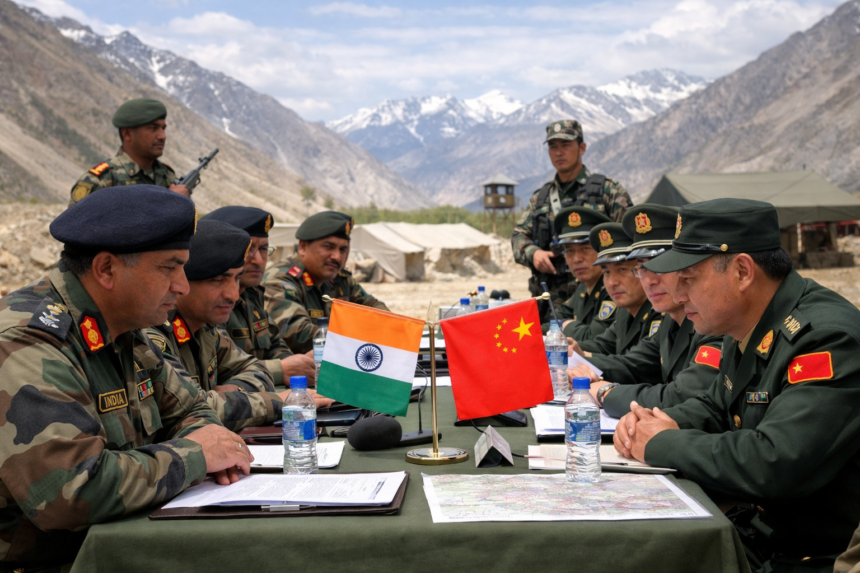
After years of tense standoffs, uneasy talks, and nervous eyes fixed on the Himalayas, India and China have finally taken a step back from the brink. On December 23, 2025, New Delhi and Beijing announced a joint India China LAC agreement aimed at de-escalating military tensions along the Line of Actual Control (LAC), the disputed frontier that has repeatedly pushed relations between the two Asian giants to their limits and reshaped regional security dynamics.
Think of it like two neighbors who have been arguing over a fence for years. Instead of shouting across it, they have now agreed to lower their voices, step away, and talk things through. That is essentially what this agreement representsa conscious decision to cool tempers and prevent future flare-ups in one of the worlds most sensitive border regions.
What the IndiaChina De-Escalation Agreement Actually Means
At its core, the agreement focuses on three critical pillars: reducing troop presence, disengaging forces from sensitive flashpoints, and improving communication channels between the two militaries. According to Indias Ministry of External Affairs, both sides will also hold regular meetings to ensure that commitments are honored and misunderstandings are addressed before they spiral out of control.
In simpler terms, fewer soldiers, more talking, and less room for accidents. For a border where even a small misstep can trigger a crisis, that combination matters more than it may sound.
Troop Disengagement Along the LAC: The Heart of the Deal
One of the most significant elements of the agreement is the planned disengagement in areas that have seen repeated confrontations over the past few years. While specific locations and timelines remain classified, officials familiar with the talks indicate that the deal includes withdrawing additional troops deployed after the 2020 standoff.
That standoff, particularly the deadly clash in the Galwan Valley, changed the tone of IndiaChina relations overnight. Twenty Indian soldiers lost their lives, trust eroded rapidly, and both sides rushed reinforcements to the border. This agreement, therefore, is not just about logisticsit is about undoing the damage of one of the most serious crises in decades.
Why This Is a Diplomatic Win for Both Countries
India and China Agree to Military De-escalation, From a strategic perspective, this de-escalation is a win-win. Neither India nor China can afford a prolonged military confrontation in the high-altitude terrain of the LAC. The costseconomic, political, and humanare simply too high.
For India, the agreement reinforces its message that national security and peace are not mutually exclusive. For China, it helps stabilize a crucial frontier at a time when Beijing is managing multiple global and regional pressures. Sometimes, the smartest move is not advancing further, but stepping back with dignity intact.
The Shadow of 2020 Still Looms Large
It is impossible to discuss this agreement without revisiting 2020. The Galwan Valley clash was a turning point, freezing diplomatic goodwill and triggering a sharp downturn in bilateral ties. Trade continued, yes, but strategic trust was deeply shaken.
Since then, multiple rounds of military and diplomatic talks have taken place, often yielding incremental progress but little clarity. This latest agreement stands out because it signals intent, not just dialogue. It suggests both sides are finally ready to move beyond damage control and toward cautious normalization.
Political Reactions in India: Applause and Apprehension
Back home, reactions have been mixed. The ruling Bharatiya Janata Party has welcomed the agreement as a diplomatic success, emphasizing that India has safeguarded its territorial interests while working toward peace.
Defense Minister Rajnath Singh highlighted that national security remains non-negotiable, framing the agreement as a responsible step rather than a concession. The message is clear: peace is preferred, but vigilance remains the default setting.
Timing Matters: Modis Beijing Visit on the Horizon
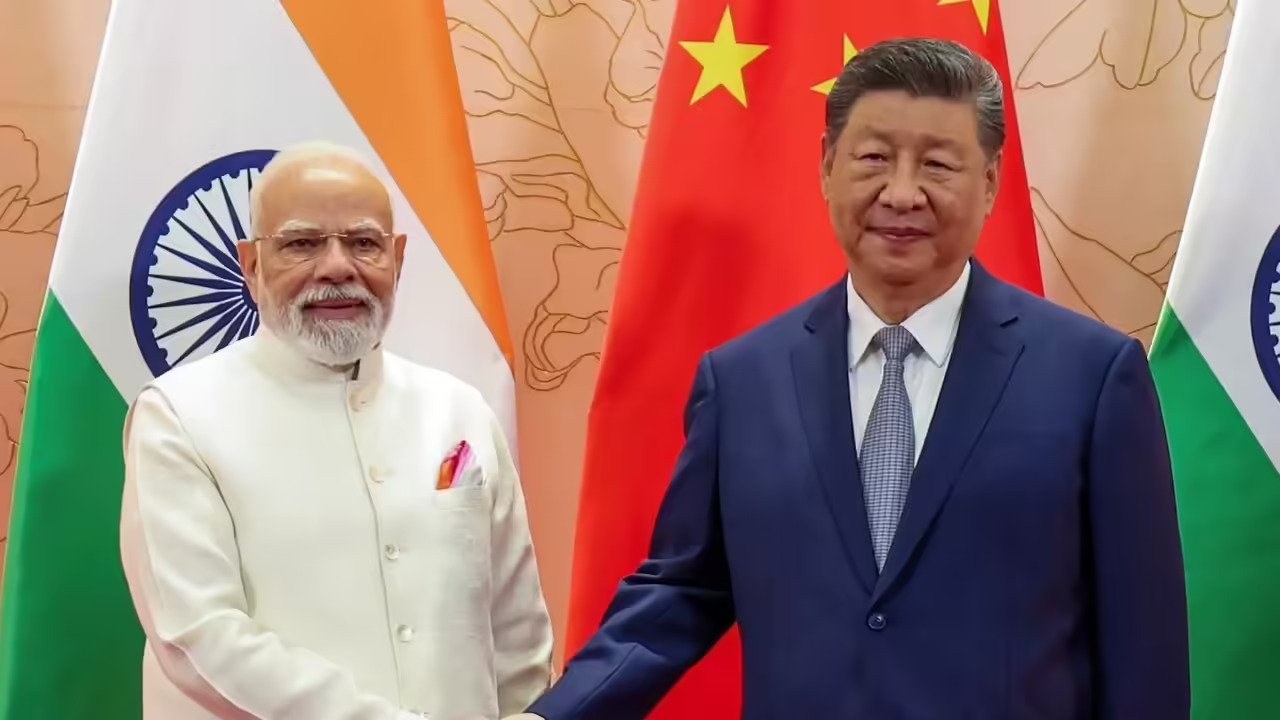
Interestingly, the announcement comes just ahead of a planned visit by Prime Minister Narendra Modi to Beijing in early 2026. That timing is no coincidence. The de-escalation is widely seen as a goodwill gesture, setting the stage for broader discussions on regional security, trade cooperation, and even environmental challenges.
High-level visits thrive on momentum, and this agreement provides exactly that. It sends a message that while differences remain, dialoguenot confrontationwill shape the next phase of IndiaChina relations.
Opposition Voices Raise Red Flags
The opposition, however, is not entirely convinced. Leaders from the Indian National Congress and other parties have urged caution, warning against any compromise on territorial claims. Rahul Gandhi, in particular, stressed the need for transparency and accountability, arguing that peace should not come at the cost of sovereignty.
These concerns reflect a broader public sentimenthopeful, yet wary. After years of tension, many Indians welcome de-escalation but want assurance that history will not repeat itself.
Why the World Is Watching Closely
India and China Agree to Military De-escalation, This agreement is not just a bilateral affair; it has regional and global implications. India and China are central players in the Indo-Pacific, and their relationship directly impacts smaller neighbors like Nepal, Bhutan, and Sri Lanka.
Global powers are also paying attention. The United States, which has supported Indias role in balancing Chinas influence through frameworks like the Quad, will be analyzing how this development reshapes regional dynamics. Meanwhile, Russiaone of the few countries with strong ties to both New Delhi and Beijinghas welcomed the agreement and is likely to continue acting as a quiet facilitator.
The Indo-Pacific Equation After De-Escalation
Some analysts believe this agreement could actually strengthen Indias strategic position. Reduced border tensions allow New Delhi to focus more confidently on its Indo-Pacific partnerships without the constant pressure of a potential Himalayan crisis.
For China, easing tensions with India could help prevent strategic overextension. In that sense, the agreement functions like releasing pressure from a valvepreventing a larger rupture down the line.
Challenges Ahead: Peace Is Fragile
That said, no one is declaring victory just yet. The LAC remains undefined in many stretches, and both armies will continue to maintain significant deployments. Trust, once broken, takes time to rebuild.
Domestic politics could also complicate matters. Elections, leadership shifts, or nationalist rhetoric in either country could easily disrupt the fragile balance. As history has shown, border peace requires constant maintenanceit is not a one-time fix.
What Comes Next for IndiaChina Relations
Indias Ministry of External Affairs has made it clear that the situation along the LAC will be closely monitored. Any deviation from agreed terms will be addressed firmly. This underscores an important reality: de-escalation does not mean disengagement from vigilance.
Future talks will likely focus on confidence-building measures, clearer protocols, and possibly long-term frameworks to manage disputes. Whether those efforts succeed will depend on sustained political will on both sides.
Similar Articles: Explosions at the Edge: Why Thailand and Cambodia Are at War Again
Conclusion
India and China Agree to Military De-escalation, The IndiaChina military de-escalation agreement marks a meaningful pause in a long and often turbulent relationship. It does not erase past wounds, nor does it resolve the border dispute once and for all. But it does something equally importantit creates space for diplomacy to breathe.
In a world where geopolitical tensions often escalate faster than they cool, this agreement stands out as a reminder that restraint is still a strategic choice.
As Prime Minister Modis Beijing visit approaches, the international community will be watching closely. Will this agreement translate into lasting stability, or is it merely a temporary ceasefire? The answer will unfold over time.