
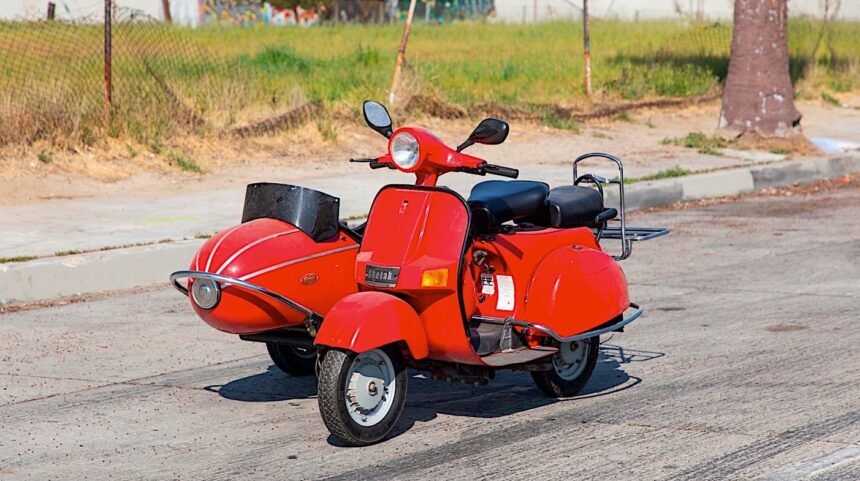
Engineering, and passion for unique motorized transport. Whether you want to revive a classic look or create a modern urban commuter, customizing a scooter with sidecar offers a blend of functionality and style tailored to your preferences.
In 2025, DIY enthusiasts and riders seeking personalized vehicles increasingly embrace sidecar additions for scootersnot only for aesthetic appeal but also for the practicality of passenger or cargo space. This step-by-step guide will walk you through the essential stages to build and customize your scooter with sidecar, focusing on safety, performance, and style.
Why Build Your Own Scooter with Sidecar?
Before diving into the process, understanding why building your own setup makes sense is key:
-
Personalization: Tailor the design, color, and features to your unique tastes.
-
Cost Control: Select parts fitting your budget while balancing quality and durability.
-
Learning Experience: Gain mechanical knowledge and skills during assembly.
-
Unique Ride: Stand out with a one-of-a-kind scooter with sidecar that reflects your personality.
While ready-made kits exist, building from scratch or customizing kits ensures complete control over every element of the vehicle.
Step 1: Choose the Right Base Scooter
Selecting a suitable scooter is fundamental. Key considerations include:
-
Engine Size & Power: Aim for at least 150-250cc for smooth handling with a sidecar.
-
Frame Strength: A sturdy chassis capable of supporting extra weight and sidecar attachment.
-
Condition: For used scooters, ensure the engine, brakes, and frame are in good working order.
-
Compatibility: Check if sidecar mounting kits fit your scooter model.
Popular base scooters include Vespa PX series, Royal Alloy models, and some Honda and Yamaha scooters, known for reliability and robust construction.
Step 2: Select and Acquire the Sidecar
The sidecar typically consists of the cabin (passenger or cargo compartment), mounting hardware, and sometimes suspension elements. When selecting a sidecar:
-
Purpose: Decide if your sidecar will carry passengers, cargo, or pets.
-
Material: Common options are fiberglass, steel, or aluminumfiberglass offers lightweight and custom shaping, while steel provides durability.
-
Size and Style: Ensure it complements your scooters size and design.
-
Mounting System: Sidecar must include secure mounting frames and brackets tailored to your scooter.
Many vendors offer kits designed for popular scooters, or you can source parts for custom fabrication.
Step 3: Plan the Mounting and Alignment
Proper mounting is critical for safety and handling:
-
Mounting Points: Identify strong points on your scooter frame to attach sidecar brackets.
-
Alignment: Correct alignment prevents handling issues, such as unwanted pull to one side. Use specialist tools to adjust toe-in, lean-out, and height.
-
Suspension Setup: Some sidecars have independent suspension; others share the scooters system. Match suspension stiffness to expected load for better comfort and control.
Professional advice from experienced sidecar mechanics or online communities can help optimize this stage.
Step 4: Wiring and Lighting Integration
Sidecars often require additional lights for street legality and safety:
-
Turn Signals and Brake Lights: Connect sidecar lights to scooters electrical system using appropriate relays and fuses.
-
Wiring Harness: Consider a dedicated sidecar wiring harness to keep installation neat.
-
Battery Capacity: Ensure scooter battery can handle additional load, or consider an upgraded battery.
Modern scooters with electronic displays may require adaptations during electrical integration.
Step 5: Customize the Interior and Exterior
This step transforms your scooter with sidecar into a personal statement:
-
Paint & Finish: Choose colors and finishes that match or contrast with your scooter for a unique look.
-
Seats: Comfortable seating with cushioning and upholstery suited for your needs.
-
Windshields & Covers: Add removable canopies or windshields to protect passengers from weather.
-
Accessories: Include storage racks, cup holders, or technology mounts for phones and GPS.
Customization goes beyond looksconsider ergonomic adjustments for passengers and drivers.
Step 6: Testing and Safety Checks
Before hitting the road, thorough testing is essential:
-
Static Checks: Inspect all bolts, mounts, and wiring for secure attachment.
-
Brake Test: Sidecars affect braking distancesensure brakes respond well under sidecar load.
-
Handling Test: Conduct low-speed maneuvers to feel for imbalance or unusual pulling.
-
Road Test: Begin on quiet streets, gradually increasing speed while monitoring handling and comfort.
Make adjustments as necessary and consider professional inspection if possible.
Step 7: Legal Compliance and Insurance
Ensure your customized scooter with sidecar meets local regulations:
-
Registration: Update vehicle registration to reflect added sidecar.
-
Insurance: Inform your insurer about modifications for adequate coverage.
-
Safety Standards: Compliance with lighting, brakes, and passenger safety requirements is necessary.
Consult local DMV or equivalent agency for specific requirements.
High-Authority Resource for Sidecar Enthusiasts
For in-depth guidance, tips, and community support on sidecar building projects, Rider Magazine remains a trusted and comprehensive source. Their expertise covers customization, safety, and market trends for scooters and motorcycles with sidecars.
Explore more at Rider Magazine – Sidecars & Scooters.
Read More: Best Scooter with Sidecar for City Riding in 2025
Conclusion
How to Build a Scooter with Sidecar in 2025 is an achievable and rewarding endeavor with careful planning, the right parts, and adherence to safety standards. From selecting a strong base scooter to customizing seats and finishing touches, every step brings you closer to a unique ride tailored for comfort, style, and practicality.
This custom project not only saves money but also connects you to a vibrant community of sidecar enthusiasts passionate about preserving and innovating this classic form of transport. Whether for commuting, leisure rides, or simply a standout vehicle, your scooter with sidecar is destined to turn heads and offer countless memorable journeys.