
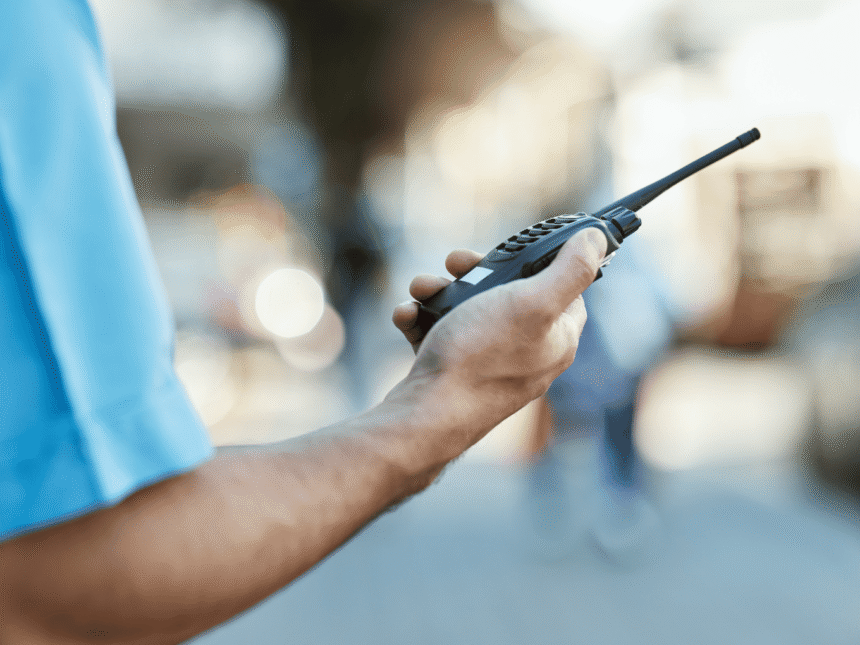
Ever wished you could stay connected in remote areas where mobile networks vanish? Or maybe coordinate with your team during an event, trek, or business operation without worrying about call drops? Thats where walkie talkies shine. But before you grab one off an online store, its important to understand Walkie talkie legality in India a crucial factor that determines whether your device is permitted, licence-free, or requires official government approval.
The short answer: Yes, they are legal but only if you use the right type, on the right frequency, and follow the official rules. Lets break down what this really means so you dont accidentally end up on the wrong side of the law.
Understanding the Legal Framework
Walkie talkie use in India falls under a mix of old yet powerful telecom laws. The two key ones are:
-
The Indian Telegraph Act, 1885
-
The Indian Wireless Telegraphy Act, 1933
These acts make it clear that you cant just operate any wireless communication device without government authorization, unless its specifically exempted.
The Wireless Planning & Coordination (WPC) Wing of the Ministry of Communications is the authority that sets the rules, allocates frequencies, and issues licences. Think of WPC as the countrys referee for wireless communication it ensures everyone follows rules and avoids frequency chaos.
Licensed vs LicenceFree Walkie Talkies: Whats the Difference?
Are walkie talkies legal in India, All walkie talkies in India fall into two main classes: licensed and licencefree. Although both are legal, the difference between them can completely change how (and where) you use them.
Licensed Walkie Talkies
-
These are for organisations like security agencies, hotels, factories, and event management teams that need interference-free, reliable communication.
-
They operate on dedicated frequency bands assigned specifically to the user.
-
You must get a wireless operating licence from the WPC.
-
The licence includes technical details such as power output, antenna type, and geographical limits of operation.
Theyre built for performance, but also come with paperwork, government scrutiny, and fees.
LicenceFree Walkie Talkies
-
Operate within 446.0446.2 MHz, also known as the PMR band (Personal Mobile Radio).
-
Anyone from hikers to shop owners can use them without applying for a personal licence, provided the device itself is approved by WPC.
-
Theyre perfect for personal or small business use with moderate communication range.
So, if you just need to coordinate with friends on a trek or manage a store floor, a licencefree walkie talkie is your friend.
When You Dont Need a Licence
Yes, its possible to legally use a walkie talkie in India without ever applying for a licence if your device follows all these conditions:
-
It only works in the 446.0446.2 MHz band (the official licencefree band).
-
It transmits at low power, within WPCdefined limits.
-
The model has WPC or ETA (Equipment Type Approval) certification.
-
You dont modify it to boost range or change frequency.
If all of the above boxes are ticked, your walkie talkie is fully legal and licencefree. Thats why sellers often mention things like WPCapproved or licencefree for use in India right in their product titles.
When You Must Obtain a WPC Licence
If your walkie talkies operate beyond 446 MHz or use high power for longer ranges, youll need to approach WPC for an official licence.
How to Get a WPC Licence
-
Apply Online through the SACFA portal or a relevant WPC website.
-
Fill in Organisation Details name, address, and intended purpose.
-
Submit Technical Info brand, model, frequency range, power output, and antenna type.
-
Undergo Technical Clearance. WPC ensures your chosen frequency wont interfere with aviation, defence, or public service channels.
-
Pay Fees and Get Approval. Once cleared, youll receive your wireless operating licence.
Professional users like event organisers, transport companies, or industrial setups usually follow this route.
Penalties for Illegal Walkie Talkie Use
Are walkie talkies legal in India, You might be tempted to buy that superpowerful imported walkie talkie from an online marketplace but beware! Using the wrong type can land you in serious trouble.
Under The Indian Wireless Telegraphy Act, 1933, unauthorized use or possession of a wireless transmitter can lead to:
-
Imprisonment up to 3 years
-
Hefty fines
-
Seizure of devices by enforcement agencies
The government treats misuse seriously, especially when it interferes with public safety, defence, or aviation frequencies.
Common Legal Mistakes to Avoid
Even wellintentioned users often break the law unknowingly. Here are the most common missteps:
-
Buying radios labelled as licencefree but actually covering broad frequency ranges like 136520 MHz.
-
Modifying antennas or firmware to boost range.
-
Using imported walkie talkies without Indian certification.
-
Ignoring WPC permits for highpower radios.
A tiny tweak or wrong setting can turn a hobby gadget into an illegal transmitter overnight.
Buying Walkie Talkies Legally: A Simple Checklist
Before hitting that Buy Now button, ask yourself these:
-
Does the product mention the 446.0446.2 MHz band?
-
Is it WPC/ETA certified?
-
Does the seller clearly say its licencefree in India?
-
Does it avoid suspiciously wide frequency ranges?
If a device ticks all these, youre good to go.
Before You Start Using It
Once you get the device:
-
Dont modify software or use external antennas.
-
Use it only within the legal frequency band.
-
Keep communication range limited to intended use (shortrange).
-
Check for interference your device should not disrupt other nearby wireless users.
For Businesses and Professionals
If walkie talkies are a daily part of your operations say in hotels, logistics, or event management staying compliant is crucial.
Heres how you can stay on the safe side:
-
Buy only from suppliers who provide WPCapproved models.
-
Maintain copies of ETA certificates and licences.
-
Renew your WPC licence before expiry.
-
Keep usage logs if required under your business licence.
Treat compliance as basic maintenance just like renewing vehicle insurance or safety certificates.
Practical Tips for Safe and Legal Communication
-
Always doublecheck product authenticity on the WPC website.
-
Avoid cheap imports from unverified sellers.
-
Stay updated with the latest WPC notifications about licencefree use.
-
When in doubt, consult a telecom compliance expert or authorised dealer.
The effort you put into compliance ensures smoother operations and complete peace of mind.
Read More: Upgrade Your Sound: Get 75% Off Truly Wireless Earbuds and Headphones!
Conclusion
Are walkie talkies legal in India as long as you use them responsibly. The golden rule is simple: stick to permitted frequencies and certified devices.
If youre just using them for personal or smallscale communication, licencefree models operating on the 446 MHz band are your best bet. But for professional, largescale setups, a valid WPC licence is nonnegotiable.
By choosing the right equipment and respecting the law, you get the best of both worlds reliable instant communication and total legal peace of mind.