
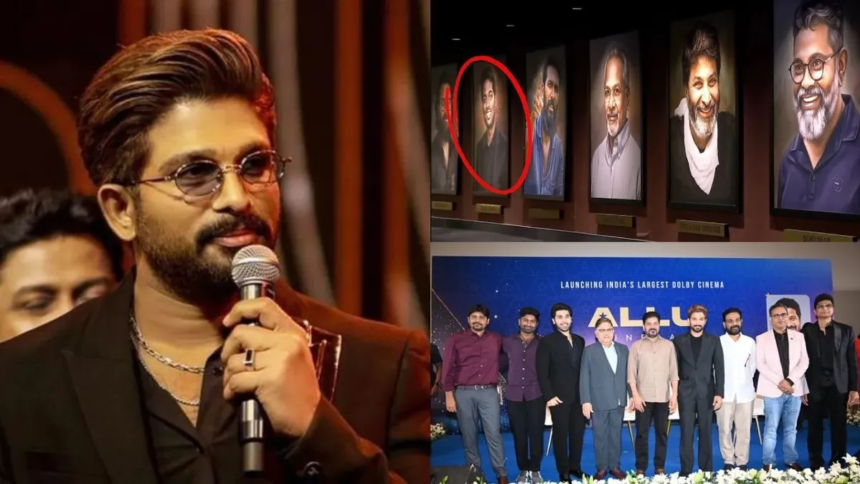
Allu Cinemas Wall of Fame, The grand opening of Allu Cinemas in Hyderabad was supposed to be a celebration of cinema. Flashing lights, modern technology, a star-studded launch, and a venue designed to elevate the movie-going experience—everything seemed perfect. But within hours of the inauguration, the spotlight shifted from the theatre itself to something unexpected: a Wall of Fame inside the venue.
Instead of simply admiring the tribute to filmmakers, fans began asking questions. Why were some legendary directors missing? And why were a few newer names included ahead of iconic pioneers?
The debate quickly spread across social media, turning what was meant to be a tribute into a full-blown discussion about recognition, legacy, and cinematic history.
Let’s break down what happened and why fans are talking about it.
A Grand Launch for Allu Cinemas in Hyderabad
On March 12, the Allu family inaugurated Allu Cinemas, a premium cinema space in Hyderabad. The opening ceremony was attended by several prominent personalities, including Telangana Chief Minister Revanth Reddy, making it a high-profile event in the entertainment industry.
The theatre aims to offer a state-of-the-art movie experience, with cutting-edge sound systems, advanced projection technology, and a luxurious lounge area. But inside that lounge sits the now-famous Wall of Fame—a gallery dedicated to honoring influential Indian filmmakers.
And that’s where the controversy began.
The Wall of Fame: A Tribute to Filmmakers
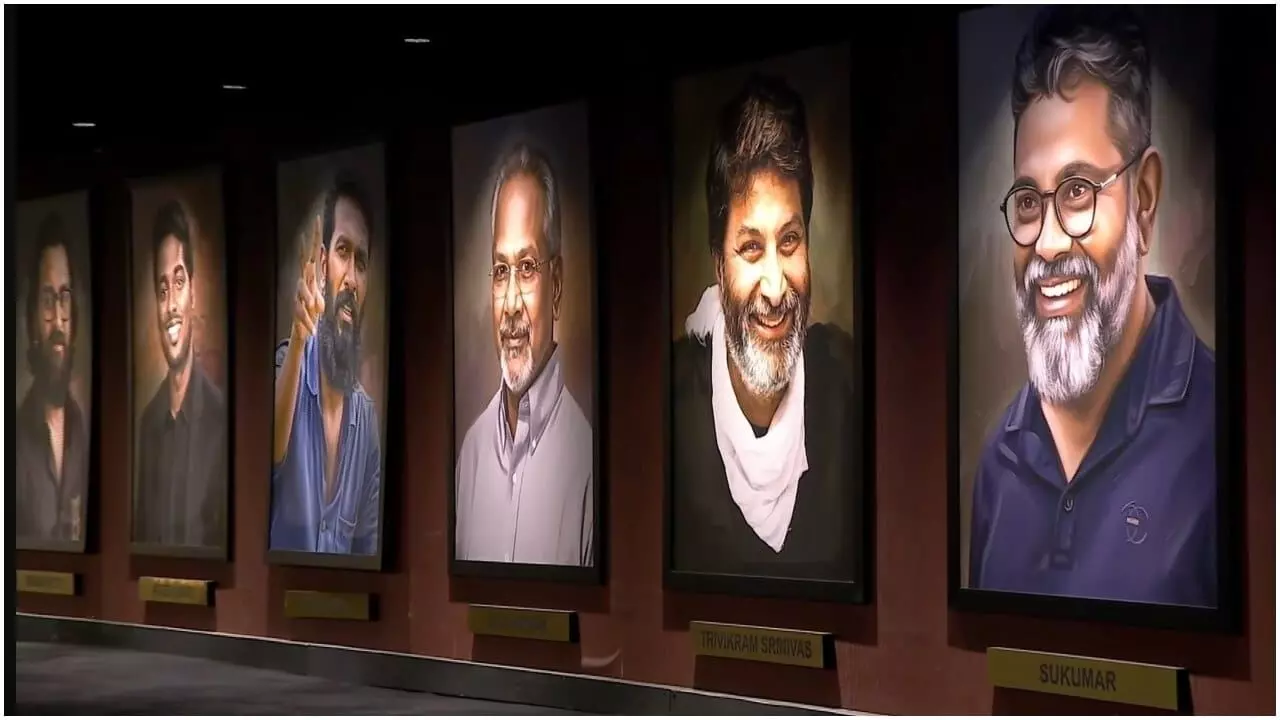
Allu Cinemas Wall of Fame, The concept itself is simple and admirable. The Wall of Fame highlights directors from different Indian film industries who have shaped modern cinema.
Among the names featured are:
-
S. S. Rajamouli
-
Sandeep Reddy Vanga
-
Prashanth Neel
-
Rishab Shetty
-
Vetri Maaran
-
Atlee
-
Mani Ratnam
-
Trivikram Srinivas
-
Sukumar
-
Rajkumar Hirani
At first glance, the list looks impressive. These filmmakers have delivered some of the biggest and most influential films in recent years.
But fans quickly noticed something unusual.
The Missing Legends That Sparked the Debate
The controversy didn’t start because of who was included. It started because of who wasn’t included.
Several iconic filmmakers—directors who help define Indian cinema across generations—were missing from the display.
Some of the names fans immediately pointed out were:
-
Ram Gopal Varma
-
Shankar
-
Puri Jagannadh
-
Singeetham Srinivasa Rao
These directors are widely regarded as pioneers. Their films have shaped storytelling styles, filmmaking techniques, and even the careers of many actors.
So naturally, fans asked a simple question:
How can a Wall of Fame exist without these names?
Atlee’s Inclusion Becomes a Major Talking Point
Allu Cinemas Wall of Fame, One name in particular ignited heated discussions online—Atlee.
The Tamil filmmaker has enjoyed major commercial success, directing blockbusters like Jawan, Bigil, and Theri. However, critics argue that his filmography is relatively short compare to many legendary directors.
That led to a wave of comments on social media questioning the selection criteria.
Some fans asked:
Should a Wall of Fame focus on longevity and influence rather than recent commercial success?
Others defended Atlee, pointing out that box office impact and cultural reach also matter.
Social Media Reactions Pour In
Once a video of the Wall of Fame began circulating online, reactions flooded platforms like X, Instagram, and YouTube.
Fans, film enthusiasts, and industry observers all had something to say.
Some comments highlight how certain new-generation directors were feature despite having only a handful of films, while many veterans with decades of contributions were left out.
Others speculated that the choices might reflect modern popularity rather than historical importance.
In the digital age, even a decorative wall can spark a nationwide debate.
Questions About the Selection Criteria
One of the biggest points of discussion revolves around how the directors were chose.
Was the list based on:
-
Box office success?
-
Cultural influence?
-
Personal connections?
-
Or simply aesthetic preference?
Without a clear explanation, speculation quickly filled the gap.
Some fans even suggested that the wall might reflect personal or contemporary preferences rather than a comprehensive representation of Indian cinema’s history.
The Absence of Telugu Cinema Pioneers
Another point that sparked frustration was the absence of legendary Telugu filmmakers.
Many film lovers pointed out that directors like:
-
K. V. Reddy
-
Jandhyala
-
Kodanda Rami Reddy
played enormous roles in shaping Telugu cinema.
These directors influenced storytelling styles, introduced new cinematic techniques, and helped create the foundation for modern Tollywood.
For many fans, leaving them out felt like ignoring a crucial chapter of film history.
Why Recognition in Cinema Matters
Allu Cinemas Wall of Fame, This debate highlights something deeper than just a wall of photos.
Cinema is built on legacy. Every generation of filmmakers builds on the work of those who came before them.
Think of it like architecture. A skyscraper may grab attention, but it stands on the foundation laid decades earlier.
When fans see legendary names missing from a tribute to filmmakers, it feels like the foundation is be overlook.
Fans Notice Missing Directors Linked to Allu Arjun
Interestingly, the debate took another twist when some observers noticed that certain directors closely associated with Allu Arjun’s career were also missing.
For instance:
-
Boyapati Sreenu
-
Puri Jagannadh
Both have contributed significantly to shaping the mass action image of the star.
This led to another round of speculation: if the wall wasn’t based on personal connections, what exactly was the selection logic?
Another Wall Features Legendary Directors
Amid the growing criticism, some attendees pointed out that another section inside the venue features pictures of legendary filmmakers.
This wall includes icons like:
-
Dasari Narayana Rao
-
K. Balachander
-
K. Raghavendra Rao
While this revelation softened some criticism, the discussion didn’t completely die down.
Many fans still believe that a single unified Wall of Fame representing cinema history across generations would have been more appropriate.
A Reminder of How Passionate Movie Fans Are
If this episode proves anything, it’s that Indian movie fans care deeply about cinema history.
They remember directors who shaped genres, revolutionized storytelling, and introduced unforgettable characters.
So when recognition feels incomplete, fans speak up.
And in a way, that passion keeps the legacy of cinema alive.
Read More: One Piece Live Action Season 2 Release Date, Time in India & Where to Watch on Netflix
Conclusion
Allu Cinemas Wall of Fame, The launch of Allu Cinemas was meant to celebrate filmmaking and the future of movie experiences. Instead, the Wall of Fame sparked an unexpected but meaningful conversation about how cinema history should be remembered.
Whether the selections were based on popularity, personal taste, or a curated theme, the discussion shows one thing clearly—fans value acknowledging legends alongside modern stars.
And perhaps that’s the silver lining.
Because when people argue passionately about filmmakers, it means the love for cinema is still very much alive.