
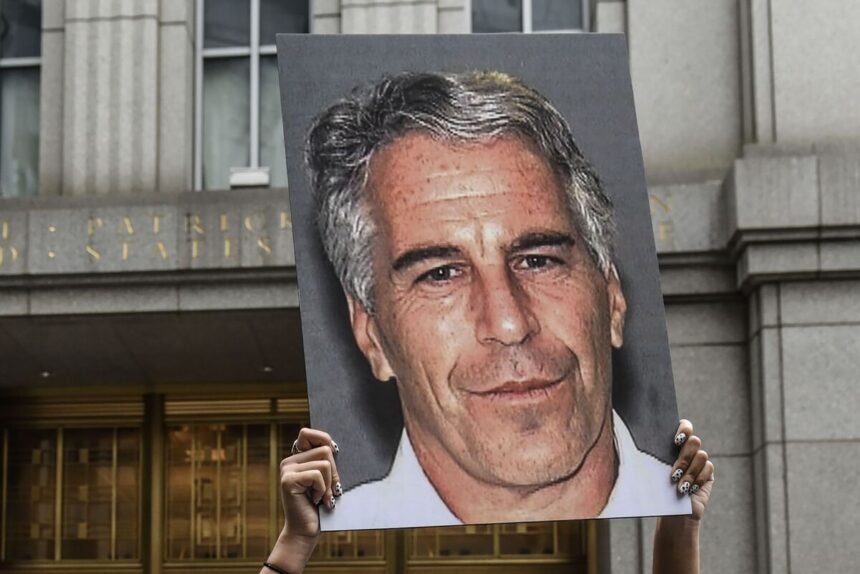
The phrase “Jeffrey Epstein files” has become internet shorthand for secrecy, power, and unanswered questions. Every time a new batch of documents drops, social media lights up like a fireworks show—screenshots, theories, accusations, and counter-arguments flying in all directions.
But here’s the thing: many people don’t want hot takes anymore. They want receipts. They want to see the original material for themselves and decide what’s real, what’s speculation, and what’s being wildly taken out of context.
So how do you actually check the Epstein files? What did the U.S. government release, what do these documents contain, and why are conspiracy theories multiplying instead of dying down? Let’s unpack it all—calmly, clearly, and without the noise.
What Are the Jeffrey Epstein Files, Really?
At their core, the Epstein files are publicly released records connected to the investigation and prosecution of Jeffrey Epstein, the disgraced financier and convicted sex offender.
These files include:
Emails
Photographs
Flight logs
Court documents
PDFs and scanned records
Video material
Together, they paint a picture—not just of Epstein’s crimes, but of his social universe. He didn’t live in isolation. He moved among politicians, billionaires, royalty, academics, and celebrities. That’s what makes these files so unsettling—and so fascinating.
The DOJ’s Document Dump: Numbers That Stun
The U.S. Department of Justice didn’t release a neat little folder you could skim over coffee. What came out was overwhelming by design and scale:
3+ million pages of documents
Around 180,000 images
More than 2,000 videos
That’s not something an average person can “just browse.” It’s like being dropped into the world’s messiest filing room and told, Good luck.
This sheer volume is one reason misinformation thrives—because most people never see the source material.
Why So Many People Distrust Media Summaries
Let’s be honest. Media coverage of Epstein has been… selective.
Some outlets focus on big names. Others downplay associations. Headlines often blur an important line: being mentioned in a document is not the same as committing a crime.
Readers noticed. And once trust cracks, people go looking elsewhere. That’s why platforms that allow direct access to records have exploded in popularity.
Jmail.world: Turning Chaos Into Clickable Clarity
Enter Jmail.world, a tool built by two young software engineers who saw a glaring problem: the files were public, but practically unusable.
Instead of dumping documents on users, the platform organizes them into familiar formats:
Emails displayed like a Gmail inbox
PDFs converted into searchable text
Images grouped and labeled
Flight logs mapped and categorized
Using AI and optical character recognition, blurry scans and redacted documents become readable and searchable. Want to check a name, date, or location? Type it in. No law degree required.
Inside the “J-Suite”: What You Can Actually Explore
Jmail.world isn’t just about emails. It’s an ecosystem:
JMail – Browse Epstein-linked emails like a real inbox
JPhotos – View released photographs
JDrive – Open PDFs and court documents
JFlights – Analyze private jet travel and flight logs
JAmazon – Track shopping and purchase records
Users can star important items, bookmark conversations, and revisit commonly referenced material. It’s transparency with training wheels.
Where the Data Comes From—and Where It Doesn’t
This matters more than people realize.
The platform uses only material already released by:
The House Oversight Committee
The DOJ
No leaks. No hacked content. Not private data dumps.
And here’s the critical reminder: appearing in these records does not automatically mean criminal wrongdoing. Context matters. Associations raise questions—but they are not convictions.
The Famous Names That Keep Headlines Buzzing
The Epstein files contain references and images involving numerous high-profile figures, which is why every release feels explosive.
Among those mentioned or appearing in records:
Donald Trump, referenced multiple times
Bill Clinton, seen in photographs from past decades
Hollywood figures like Kevin Spacey and Woody Allen
Tech and business leaders including Bill Gates and Elon Musk
All have denied any involvement in Epstein’s crimes.
Internationally, fallout has been real:
Political resignations
Public apologies
Ongoing parliamentary scrutiny
Even royalty wasn’t untouched, with repeated references to Prince Andrew, now stripped of royal duties.
Why Conspiracy Theories Refuse to Die
Here’s where things get complicated—and emotional.
For many Americans, Epstein became proof of a belief they already held: that elite networks protect their own. Online movements amplified this idea, often blending real documents with speculation and outright fiction.
Some theories claim:
Epstein was an intelligence asset
His death was staged
A body double was used
He’s alive and living abroad
A brief gap in jail CCTV footage and the release of autopsy images in 2026 reignited these claims. The DOJ says the camera issue was a routine reset. Skeptics aren’t convinced.
Once trust collapses, even mundane explanations feel suspicious.
Separating Evidence From Internet Mythology
It’s tempting to connect every dot. Humans love patterns. But responsible analysis means slowing down.
Facts we know:
Epstein was arrested in 2019 on federal sex trafficking charges
He died in custody, officially ruled a suicide
Multiple investigations confirmed systemic failures in jail supervision
What we don’t have is verified proof supporting claims that he escaped or was replaced.
Healthy skepticism is good. Replacing evidence with vibes? Not so much.
Jeffrey Epstein’s Crimes: The Part That Should Never Be Forgotten
Amid all the theories and name-dropping, it’s easy to lose sight of the core truth: Epstein was a serial abuser.
Prosecutors say he trafficked and abused hundreds of underage girls, some as young as 14. His operation spanned:
New York
Florida
New Mexico
The U.S. Virgin Islands
International locations
Victims were recruited through manipulation and coercion, often pressured to bring other girls. It was systematic. It was predatory. And it went on for years.
The 2008 Plea Deal That Still Haunts the Case
In 2008, Epstein pleaded guilty in Florida to soliciting a minor. The sentence?
13 months in jail
Work release privileges
Minimal supervision
Public outrage followed—and never really faded. That deal is often cited as the clearest example of how wealth and influence can bend justice.
It’s also why every new document release feels like reopening an old wound that never healed.
How You Should Approach the Epstein Files Today
If you’re diving in, keep a few rules in mind:
Read original documents, not screenshots of screenshots
Separate mention from accusation
Cross-check claims before sharing
Remember the victims—not just the villains
Think of the files like a massive library. Knowledge is there, but interpretation requires care.
Conclusion: Transparency Is Powerful, But Context Is Everything
The release of the Jeffrey Epstein files has done something rare—it shifted power from institutions to individuals. For the first time, everyday people can explore the same records journalists and lawmakers see.
That’s a good thing. But transparency without context can also confuse, mislead, and inflame.
The truth usually isn’t hiding in one shocking email or blurry photo. It lives in patterns, corroboration, and patience.
More Article: T20 World Cup 2026: Pakistan vs Netherlands in Colombo, Schedule, Table & Weather
Final Thoughts
The Epstein files are not a movie script with a clean ending. They’re messy, uncomfortable, and deeply human. They reveal failure—legal, social, and moral—on multiple levels.
If there’s one lesson here, it’s this: access to information is only the first step. Understanding it responsibly is the real challenge.