
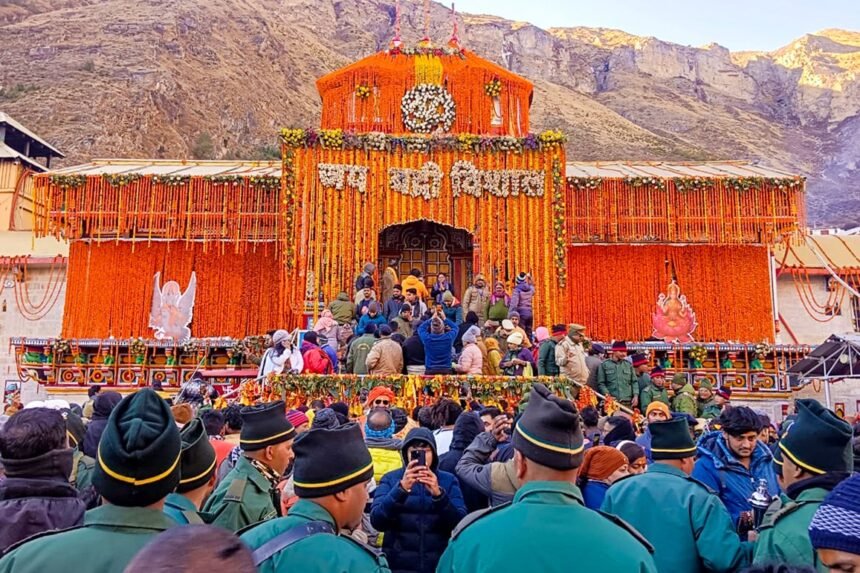
Kedarnath Temple Entry Rule, A major shift could be coming to two of India’s most iconic Hindu shrines – Badrinath and Kedarnath in Uttarakhand. The temple body that manages these Himalayan shrines is moving towards a rule that would effectively bar non-Hindus from entering temples under its control.
If this proposal goes through, only Hindus – or more specifically, those who profess faith in Sanatan Dharma – will be allowed inside the temple premises managed by the Badrinath-Kedarnath Temple Committee (BKTC). For millions of devotees and curious travellers alike, that’s a big deal.
This move is being widely discussed as a potential Ban on non-Hindus in temples, marking a significant shift in access rules for some of India’s most sacred pilgrimage sites.
So, what exactly is changing, and why now?
What Is The Proposed Rule All About?
The core of the proposal is simple but controversial:
Only Hindus, or those who identify with Sanatan Dharma, will be allowed entry into temples overseen by the BKTC.
This doesn’t just cover the famous Badrinath Dham and Kedarnath Dham, but all temples under the BKTC’s jurisdiction. The temple committee plans to place this proposal formally before its board in an upcoming meeting, where it is expected to be passed.
In other words, the move is not just symbolic; it aims to become a binding rule for all BKTC-controlled shrines.
BKTC’s Stand: Temples Are Not Tourist Spots
Explaining the rationale, BKTC chairman Hemant Dwivedi has taken a firm and clearly defined position. According to him, these shrines are first and foremost sacred spaces, not sightseeing attractions.
He underlined two key points:
-
Temples are centres of faith, not tourist centres.
-
Entry into a temple is not a civil rights issue, but a matter of religious practice and discipline.
Dwivedi stressed that Kedarnath and Badrinath are deeply rooted in ancient Vedic tradition and were established as spiritual centres by Adi Shankaracharya, not as open public monuments. For the committee, the proposed rule is about preserving sanctity, not about discrimination.
Constitutional Backing: Article 26 In Focus
Kedarnath Temple Entry Rule, Whenever religious entry rules are discussed in India, the Constitution inevitably comes into the picture. Here too, the BKTC is leaning on a specific constitutional provision: Article 26.
Article 26 gives every religious denomination in India the right to:
-
Manage its own affairs in matters of religion.
-
Maintain and administer institutions for religious and charitable purposes.
Dwivedi has explicitly cited Article 26 to justify the move, arguing that Hindu religious bodies have the legal right to decide who can enter their places of worship and under what conditions. According to him, the decision is about protecting “centuries-old faith, discipline, and purity” rather than targeting any community.
Is This Decision Anti-Non-Hindu? The Committee Says No
With any move that restricts entry on religious lines, accusations of exclusion are bound to follow. Anticipating that, the BKTC has tried to pre-empt criticism by clarifying its position.
Dwivedi insists:
-
The decision is “not against anyone” in particular.
-
It aims to protect tradition and religious discipline within the temple precincts.
In other words, the framing is not “non-Hindus are unwelcome as people”, but “only those who share the faith and observances of Sanatan Dharma may enter the sanctum of these temples.” Whether this distinction convinces critics is another debate, but it’s clearly how the temple body wants the move to be seen.
What About Jains And Sikhs? A Sensitive Question
Kedarnath Temple Entry Rule, One obvious question arises: what happens to followers of closely related faiths like Jainism and Sikhism? Are they considered outsiders under this proposed rule?
When asked directly about this, Dwivedi did not single out any religion by name. Instead, he reframed the issue:
-
It is not about any particular religion.
-
The key criterion is faith in Sanatan Dharma and adherence to its traditions.
This means the rule isn’t based purely on the label of one’s religion, but on whether a visitor identifies with the beliefs and practices that the committee associates with Sanatan Dharma. In practice, though, this could become a grey area and might depend on how the rule is implemented on the ground.
Who Will Be Allowed? The ‘Faith In Sanatan Dharma’ Clause
So, who exactly qualifies for entry if the rule takes effect?
According to Dwivedi:
-
“Anyone who has faith in Sanatan Dharma is welcome.”
-
“There is no restriction for anyone who has faith in the Sanatan tradition.”
That wording leaves the door open for people who may not formally identify as Hindu but feel spiritually connected to Sanatan Dharma’s beliefs and rituals. At the same time, it formally excludes those who do not accept or identify with those traditions, even if they come purely out of curiosity or cultural interest.
This faith-based condition is likely to be at the heart of future debates: how do you prove faith? Will there be a declaration, a form, or will it be left to the discretion of temple staff?
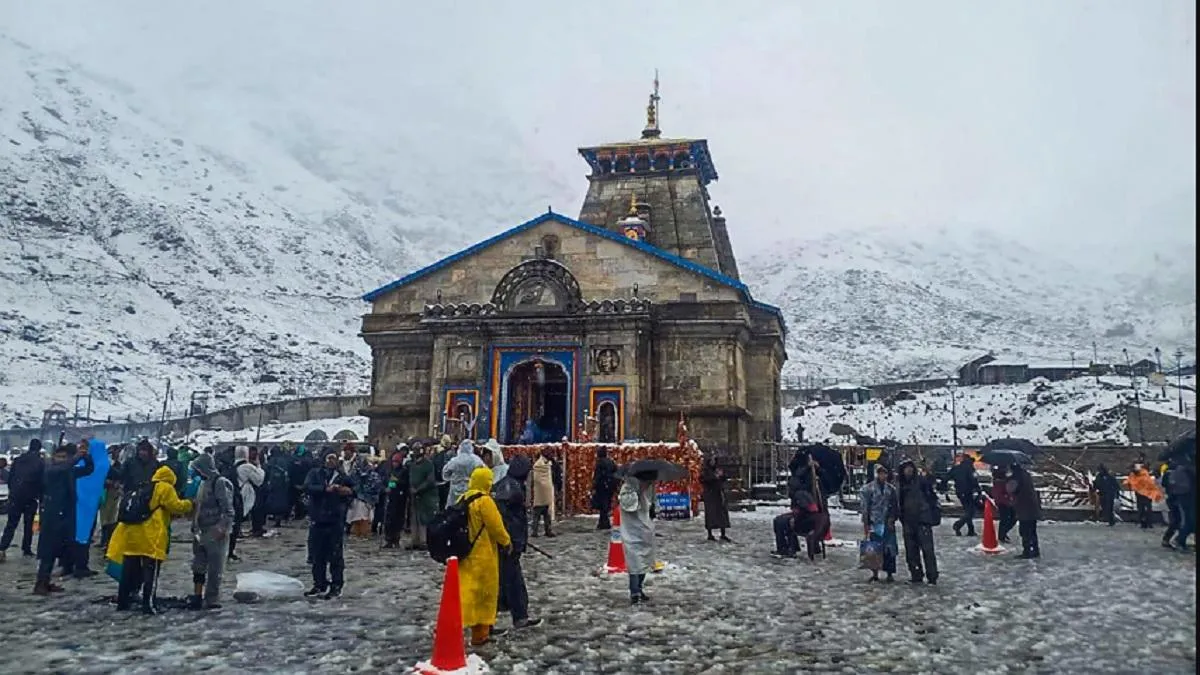
Badrinath And Kedarnath: More Than Just Temples
To understand why this proposal hits such a nerve, you need to recognise what Badrinath and Kedarnath mean to Hindus worldwide.
-
Badrinath is dedicate to Lord Vishnu and is one of the most revere Vaishnavite shrines.
-
Kedarnath is one of the holiest Shiva temples and a key Jyotirlinga.
Both are central to the famous Char Dham pilgrimage circuit in Uttarakhand, often seen as a once-in-a-lifetime spiritual journey for devout Hindus. They sit high in the Himalayas, surrounded by snow-capped peaks, and attract not only pilgrims but also domestic and international tourists who come for the landscape, the culture, and the spiritual ambience.
By limiting entry to believers, the BKTC hopes to reinforce the religious character of these spaces. Critics, however, may argue that it narrows what has long been a more open, shared cultural heritage.
The Wider Char Dham Context: Gangotri And Yamunotri
The discussion isn’t limit to Badrinath and Kedarnath in isolation. They are part of the Chota Char Dham in Uttarakhand, which also includes:
-
Gangotri, dedicated to Goddess Ganga.
-
Yamunotri, dedicated to Goddess Yamuna.
While the current proposal focuses on temples controlled by the BKTC, it places the overall pilgrimage circuit under the spotlight. For now, there is no explicit mention that similar rules will automatically apply to Gangotri and Yamunotri, but the direction of the debate suggests the broader Char Dham experience is entering a new phase of introspection on who may access these sacred sites.
Upcoming Temple Reopening Dates: What Devotees Should Know
Amid the controversy, the pilgrimage calendar is moving ahead as usual.
Key dates announced:
-
Badrinath Temple
-
Will reopen after its six-month winter closure on April 23.
-
-
Kedarnath Temple
-
The exact reopening date will be announce on Maha Shivratri, as is the tradition.
-
-
Gangotri and Yamunotri Temples
-
Their gates are schedule to reopen on April 19, on the auspicious occasion of Akshaya Tritiya.
-
These reopening dates matter even more this year, given that any new entry rules could be in place by the time the yatra season begins. Pilgrims and visitors will be watching closely for official guidelines as the season approaches.
Tourism vs Devotion: A Growing Tension
Uttarakhand has long marketed itself as “Dev Bhoomi” – the land of the gods – while also relying heavily on tourism revenue. That dual role has created an ongoing tension: are places like Badrinath and Kedarnath religious centres first, or tourist attractions as well?
The BKTC’s proposed decision makes its own answer clear:
-
Spirituality comes before sightseeing.
-
Ritual purity and religious discipline take precedence over open access.
For many locals and traditional believers, this might feel like a much-needed course correction after years of crowds, selfie culture, and sometimes disrespectful behaviour inside temple premises. For others – especially non-Hindu visitors or interfaith families – it may feel like a door closing on shared cultural experiences.
A Debate That’s Just Getting Start
The proposal to bar non-Hindus from entering temples under the BKTC is more than an administrative decision; it’s the start of a national conversation about faith, inclusion, and the nature of sacred spaces in a modern, diverse democracy.
On one side, temple authorities and many devotees argue:
-
Religious institutions must have the freedom to set rules in line with their traditions.
-
Article 26 gives them the constitutional right to do so.
-
Restricting entry helps maintain the sanctity and spiritual atmosphere of the shrines.
On the other side, critics are likely to question:
-
How such rules will be implement in practice.
-
Whether they risk fuelling social divisions.
-
If public pilgrimage sites, supported and maintained with state involvement, should adopt faith-based exclusion.
As the BKTC board meets and the new Char Dham season approaches, all eyes will be on Uttarakhand. Whether you see it as protection of tradition or a step towards exclusion largely depends on where you stand in this larger debate on faith and access.
Similar Articles: Nipah Virus Outbreak: Early Symptoms, High Fatality Risk and Why Detection Matters
Conclusion
Kedarnath Temple Entry Rule, The move to potentially bar non-Hindus from Badrinath, Kedarnath, and other BKTC-controlled temples captures a pivotal moment for India’s religious spaces. The committee insists it is simply reclaiming the original spiritual character of these ancient shrines, backed by constitutional rights and rooted in centuries-old practice.
At the same time, the decision touches on sensitive questions about who gets to participate in India’s religious heritage, especially when these spaces also function as cultural, historical, and tourism landmarks. As the doors of Badrinath, Kedarnath, Gangotri, and Yamunotri prepare to reopen this year, the real test will lie in how these rules are implemented – and how they reshape the experience of visiting the Himalayas’ most revered temples.