

Tu Meri Main Tera Main Tera Tu Meri Review the first half of Tu Meri Main Tera Main Tera Tu Meri story is not the smoothest ride. Its quirky, a bit loud, and sometimes as frivolous as a rom-com can get. The humor wobbles between funny and forced, and you might even reach for your phone halfway through. But if you stick around, the Tu Meri Main Tera Main Tera Tu Meri story takes a surprising turn after the interval and thats where things start to get interesting.
This film kicks off as a light-hearted romantic comedy but slowly morphs into an emotional family drama. The tonal shift is bold, almost like switching genres mid-movie. And surprisingly, it works mostly because the second half finally gives the story a heart.
The Emotional Core That Saves the Story
Once the film crosses its halfway mark, it suddenly remembers what it truly wants to be. The emotional depth creeps in, and you begin to see the characters in a new light. Theres real warmth beneath the gloss and glamour a relatable tension between love, duty, and personal dreams.
However, this emotional rescue mission doesnt fully undo the earlier inconsistencies. Some scenes still feel stitched together, alternating awkwardly between charm and chaos. But the plot twist waiting in the final act especially around the wedding setup breathes fresh air into the narrative. It even challenges the traditional Indian wedding story weve seen countless times before.
The Dharma Touch Old Values, New Approach
Tu Meri Main Tera Main Tera Tu Meri Review, Produced by Dharma Productions and Namah Pictures, the film bears all the hallmarks of a modern Dharma romance glossy visuals, designer outfits, scenic locales, and larger-than-life emotions. Director Sameer Vidwans, who earlier delivered Satyaprem Ki Katha, tries to balance nostalgia with a dose of reality.
Tu Meri Main Tera Main Tera Tu Meri explores the conflict between apno (family) and sapnon (dreams) a theme Bollywood never tires of revisiting. What feels refreshing is how it sets a classic 90s-style love story against todays hook-up culture. Think Dilwale Dulhania Le Jayenge, but remixed for a generation still torn between tradition and Tinder.
Kartik Aaryans Evolution as the New Dharma Hero
Lets hand it to Kartik Aaryan he owns the screen with his signature mix of energy and charm. His character Ray (short for Rehan) is modern yet sensitive, self-aware yet impulsive. The script allows him to poke fun at nepo kids, a cheeky self-referential jab that fits well into the films meta tone.
Kartik plays off the emotional beats with sincerity, proving yet again that hes more than just a comedy poster boy. His chemistry with veteran actors Jackie Shroff and Neena Gupta feels organic and adds richness to the generational conflict at play.
Rumi Vardhan Singh A Woman of Contradictions
On the other hand, Ananya Pandays Rumi Vardhan Singh is a study in contradictions. Shes introduced as a modern, free-spirited feminist, yet her choices often betray her independence. Rumi is supposed to be a romance author fittingly meeting Ray in an airport bookstore but we rarely see her write a word. Her creative identity feels more like a prop than a plot pillar.
Still, despite the uneven writing, Ananya brings a spark of sincerity to Rumis inner struggle. Her dilemma choosing between love and family duty echoes the emotional core of the story.
A Croatian Fairytale That Trips Into Reality
The films picturesque Croatian getaway provides the perfect fairytale backdrop. Split, Hvar, and the sun-kissed Adriatic coast become visual metaphors for their budding romance. As Rumi and Ray circle each other sometimes bickering, sometimes flirting the love story blooms amidst postcard-perfect scenery.
Yet, after all the dreamy travel montages, the plot flies back to Agra quite literally grounding the tale. Here, the tone shifts from euro-romance to domestic drama, as reality catches up with the characters. The movie transitions from sea breezes to simmering emotions.
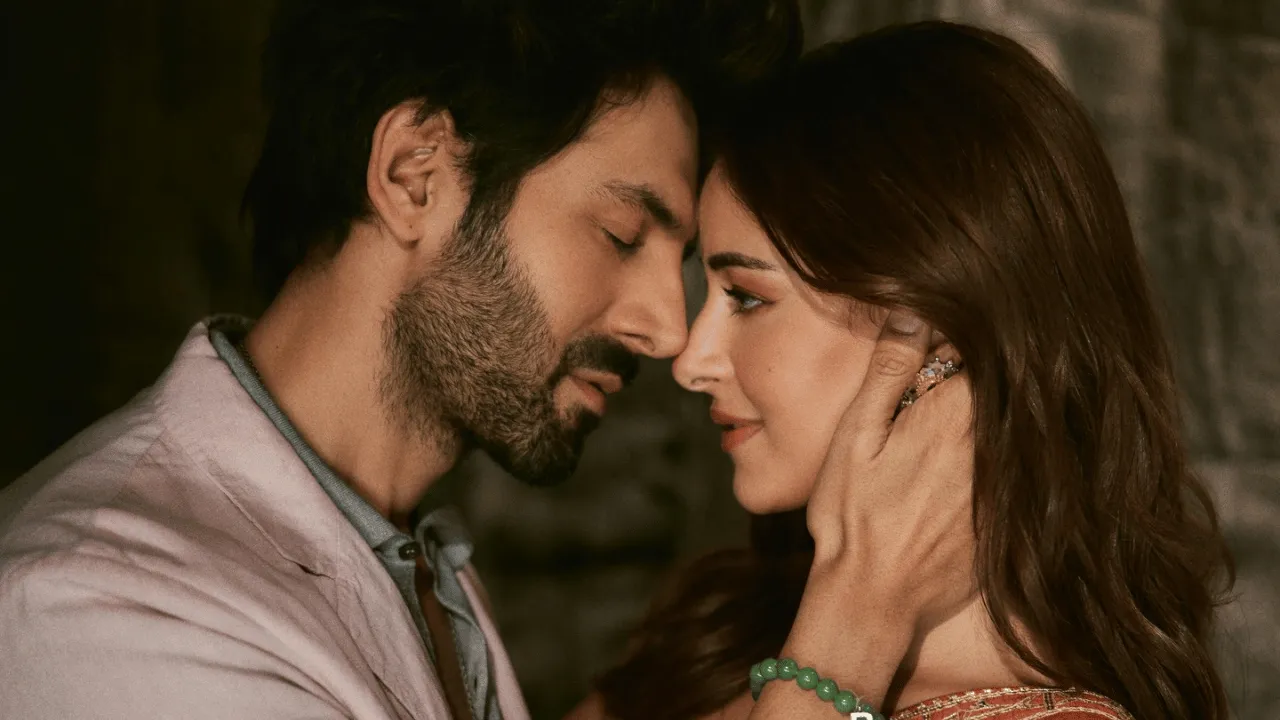
Love vs. Responsibility The Emotional Tug of War
Back home, Rumis life unravels. Shes torn between her ageing father, Colonel Amar Vardhan Singh (Jackie Shroff), and her feelings for Ray. Her fathers character an ex-army officer with his quirks and quiet struggles adds emotional gravity to the film.
Meanwhile, Ray faces his own challenges. His mother, Pinky (played wonderfully by Neena Gupta), is a wedding planner from Los Angeles ironically working to unite others while juggling her sons heartbreak. When Rumi steps back from love for her fathers sake, it becomes Pinky and Rays mission to bring her back heart and all.
When Families Collide Drama Over Dinner
Tu Meri Main Tera Main Tera Tu Meri Review, The emotional drama peaks around the weddings, where families, drinks, and old Bollywood songs mix into chaos. A Sangeet night turns messy, tongues loosen, and hidden frustrations spill out like champagne bubbles. Its loud, funny, and occasionally messy but undeniably entertaining.
This sequence also ignites the final emotional explosion one that forces every character to reevaluate what love and family really mean. In the end, the chaos leads to clarity.
Between Froth and Feeling What Works and What Doesnt
Tu Meri Main Tera Main Tera Tu Meri is far from flawless. Its first half leans too much on clichés, and some of the dialogues feel recycled. However, its willingness to evolve mid-story deserves credit. Its not afraid to shift gears, to show vulnerability beneath the sheen of escapism.
The films strength lies in its heart in the way it treats love not as rebellion but as reconciliation. The emotional notes hit home even when the writing falters.
Performances That Anchor the Chaos
Every actor contributes something memorable. Jackie Shroffs layered portrayal of a vulnerable father stands out. Neena Guptas eccentric mother figure provides balance and humor. Kartik and Ananya share a tangible chemistry, even when the script doesnt always do them favors.
Their collective energy grounds the films otherwise erratic pacing. Its the performances that rescue the film from slipping completely into forgettable territory.
A Title As Twisty As The Tale
Lets be honest Tu Meri Main Tera Main Tera Tu Meri is a mouthful of a title and feels symbolic of the movie itself: a little too long, a little too tangled, but ultimately heartfelt. Despite its hiccups, it delivers enough entertainment to keep the audience invested till the end.
Similar Articles: Christopher Nolan The Odyssey: Epic Greek Myth Reimagined for 2026
Conclusion
In the end, Tu Meri Main Tera Main Tera Tu Meri Review reveals a modern Indian romance that dares to juggle froth and feeling. It stumbles, yes, but finds its footing just in time to land an emotional punch. This Tu Meri Main Tera Main Tera Tu Meri highlights how the film blends old-school Bollywood sentiment with contemporary confusion, reminding us that love stories no matter the decade are still about choices, sacrifices, and second chances.
If youre willing to overlook its flaws, this ones got heart and sometimes, thats all a film really needs.