
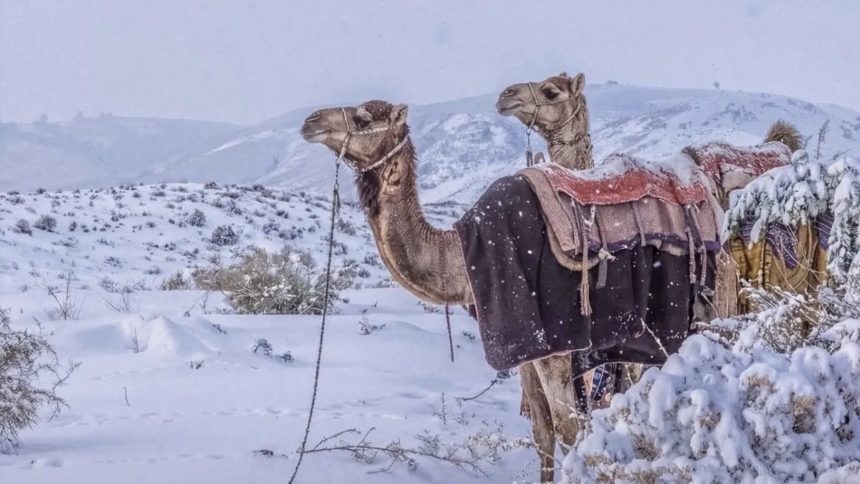
Snow in Saudi Arabia? It sounds almost impossible, doesnt it? Yet this December, parts of the Kingdom traded sand dunes for snowdrifts. The country, long known for its scorching deserts and sun-drenched cities, witnessed snowfall for the first time in three decades. From Tabuks mountain peaks to the vast plains near Hail, a white blanket covered parts of the nationleaving residents speechless and global climate watchers on alert. This rare event has added a surprising chapter to discussions about Saudi Arabia weather , showing just how unpredictable the Kingdoms climate can be.
This stunning event, as exciting as it was, also carried a deeper message about our planets changing climate.
From Blazing Heat to Freezing Chill
Saudi Arabias weather is usually defined by relentless sun and temperatures that can soar beyond 50°C in summer. But when winter approached this year, the scenario shifted dramatically. The northern regions, particularly Tabuk Province, transformed into an unexpected winter wonderland. Even the Hail Region experienced light snowsomething residents may have only seen in photos before.
Temperatures plunged below 0°C in several areas, turning the arid landscape icy white. The sight was beautiful, but for locals, it was more than a seasonal shiftit was a rare phenomenon that turned routine life upside-down.
Rain, Snow, and a Cold Wave
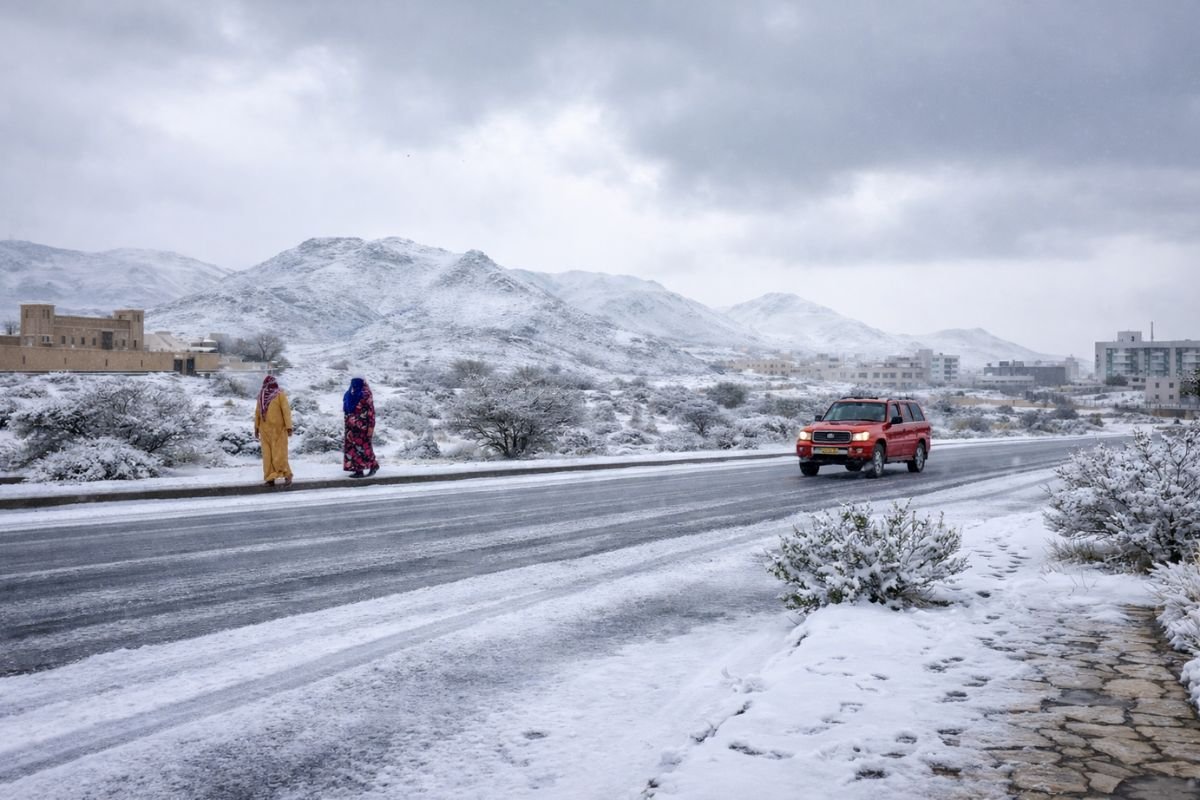
The snow wasnt the only surprise. Heavy rainfall drenched multiple areas, including Riyadh, Qassim, and sections of the Eastern Province. Cities like AlUla, Shaqra, and Bir Bin Hermas saw steady showers that made roads slippery and valleys risk-prone.
According to the National Centre for Meteorology (NCM), the sudden plunge in temperature was caused by a mass of cold air sweeping across northern and central Saudi Arabia. When that icy air met rain-filled clouds, the combination created perfect conditions for snowa meteorological mix that feels more suited to Europe than the Arabian Peninsula.
How Did This Happen?
Hussein Al-Qahtani, spokesperson for the NCM, explained that the cold air mass interacting with humid clouds triggered both rainfall and snow. Essentially, a kind of atmospheric tango occurred between air masses from different regions. When temperatures dropped sharply, water vapor in the clouds condensed and froze, resulting in rare desert snow.
But heres the bigger question: is this an isolated event, or part of a growing pattern signaling deeper climate shifts?
Climate Change: The Invisible Culprit
Saudi Arabia snowfall, Scientists are pointing toward climate change as a key player in these unusual weather patterns. The Earths warming atmosphere is making extreme weather events far more unpredictable. This isnt just about warmingits about variability.
As global temperatures climb, the climate system becomes more turbulent. That means heatwaves become hotter, floods more frequent, and, paradoxically, regions like Saudi Arabia can experience intense cold snaps and snowfalls. Its climate chaoswhere even deserts can freeze.
Social Media Buzzes With Surprise
Of course, residents didnt miss the chance to capture the moment. Videos and photos of snow-dusted camels and kids building tiny snowmen quickly went viral on social media. From Al-Ghat to Al-Majmaah, people rushed outdoors to experience something they might never see again in their lifetimes.
At the same time, authorities urged caution. The cold brought slippery roads and icy patches unfamiliar to drivers. Schools across the capital shifted to online classes to keep children safe.
A Growing Trend Across the Region
The Middle East has faced its share of strange weather lately. In the UAE, sudden floods have disrupted normal life. In parts of Europe and North Africa, snowstorms have arrived earlier and stronger than expected. Even South Asia has battled record-breaking heatwaves, underscoring how unpredictable the global climate has become.
Saudi Arabias snowfall is just one piece in this growing global puzzle. Climate scientists say these anomalies are signals that atmospheric patterns are shifting faster than anticipatedand traditional desert climates are no longer immune.
Natures Wake-Up Call
Saudi Arabia snowfall, Think of this event as nature tapping humanity on the shoulder. A message, loud and clear: the effects of global climate change are no longer distant theoriesthey are happening now.
The Saudi snowfall isnt simply a cool story for winter; its a reminder that every nation, no matter its geography, must prepare for unprecedented weather events. Adaptation, awareness, and sustainable planning have never been more important.
What Lies Ahead?
Meteorologists predict that weather variations like this may become more frequent. That doesnt mean Arabia will turn into the Alps anytime soon, but it does mean that regional weather patterns could see heightened extremes. Lower winter temperatures, heavier rains, and even sporadic snowfall could become the new normal in coming decades.
The countrys meteorological agencies and climate experts are now monitoring conditions closely to better forecast upcoming anomalies and protect residents from sudden shifts.
The Deserts New Identity
Saudi Arabias snow may melt soon, but its symbolic value will linger. That white dusting over golden sands marked not only a historic moment but also a shift in how we view weather in the Middle East. The desert, it turns out, has more moods than we once thought.
And just maybe, this climatic twist serves as the worlds reminder that were all living under one atmospherefragile, changing, and interconnected.
Similar Articles: The Saudi Crown Princes Dilemma: Balancing Personal Safety
Conclusion
Saudi Arabia snowfall, The rare snowfall in Saudi Arabia has left the world both amazed and concerned. While it painted a breathtaking picture across desert dunes, it also cast light on the unpredictable nature of modern climate behavior. This event wasnt just a miracle of weatherit was a warning wrapped in wonder.
The message is clear: climate change knows no borders, and its rewriting the rules of nature, one snowflake at a time.