

The world takes notice. From Titanic to Avatar , the man has defined cinematic spectacle for decades. So, when Avatar: Fire and Ash the third installment in his legendary sci-fi saga was announced, expectations shot through the stratosphere.
Fans couldnt wait to revisit Pandora, explore new tribes, and witness another visual revolution. But as the curtain finally lifted, the reaction wasnt quite the thunderous applause Cameron mightve hoped for. Instead, the Avatar Fire and Ash critics reaction was sharply divided and not gently.
Some called it epic, visionary, and breathtaking. Others? A sparkling mess, a three-hour hunk of nonsense, and even the worst yet in the franchise. So, what happened? Lets dive deep.
Avatars Legacy: A Quick Refresher
Avatar Fire and Ash review, Before tearing into the reviews, lets rewind. The first Avatar in 2009 stunned audiences with its groundbreaking 3D visuals and world-building magic. It wasnt just a movie; it was an event. With a staggering 81% score on Rotten Tomatoes and over $2.9 billion in box office receipts, it became the highest-grossing film ever until Camerons The Way of Water gave it a run in 2022.
That sequel, Avatar: The Way of Water, continued Jake Sullys saga beneath Pandoras oceans. Critics praised its beauty but noted some narrative fatigue. With a 76% critical score, it held its ground but also hinted at franchise weariness.
Then came 2025s Avatar: Fire and Ash, which promised fire, fury, and a new frontier of storytelling. Yet, its the lowest-rated Avatar to date a shocking 70% on Rotten Tomatoes.
So, what went wrong, and where did it still shine?
A Lukewarm Rotten Tomatoes Debut
The verdict from the critical aggregator is sobering: Avatar: Fire and Ash opened with just a 70% critics score Camerons lowest for the franchise so far. To put that in context:
Avatar (2009): 81%
Avatar: The Way of Water (2022): 76%
Avatar: Fire and Ash (2025): 70%
For a filmmaker known for revolutionizing technology and storytelling, this drop is more than just numbers its a statement about audience fatigue and evolving cinematic expectations.
Critics Harshest Takes: A Hunk of Nonsense
The gloves came off early with The Guardian, which boldly rated the film 2 out of 5, calling it a three-hour hunk of nonsense. The reviewer mocked Camerons obsession with 3D, wondering why hes still clinging to a format the rest of Hollywood largely abandoned.
The critique stung further: After exploring water in the last film, the new one focuses on fire. Should we expect earth and wind next? Its a cheeky jab but not entirely unfair given Camerons elemental themes.
The BBC joined the pile-on, dubbing it the longest and worst yet of the series. The review painted a brutal picture of 197 minutes of screensaver graphics, clunky dialogue, and new-age spirituality gone wild. Their rating? A devastating 1 out of 5.
Over at IndieWire, disappointment burned hotter than Pandoras volcanoes. The outlet lamented that Fire and Ash lacked both the visual novelty and storytelling freshness that made earlier installments unforgettable. Watching it, they said, felt like déjà vu something youve already seen done better.
And if that wasnt enough, The Telegraph twisted the knife further, also giving it 1 star, comparing the movie to £300 million of glitter poured into a fish tank. Their biting remark How much more of this do audiences actually want? summed up the skepticism surrounding Camerons seemingly endless Pandora saga.
Visual Spectacle vs. Storytelling Fatigue
Lets be honest if theres one thing Cameron excels at, its world-building. Even the harshest reviews admit that Pandoras beauty is undeniable. The fire tribes and volcanic landscapes are rendered in stunning, almost surreal detail.
But the problem, many critics argue, lies in the story. The narrative humans vs. Navi, colonial greed vs. indigenous harmony feels repetitive. The dialogues, once earnest, now seem heavy-handed. As one journalist quipped, Its like watching re-lit embers of the same story.
So, while Camerons visuals still dazzle, the emotional spark that once set audiences ablaze may be fading.
Not All Smoke and Ashes: The Positive Reviews
Heres where the fire cools not everyone hated Avatar: Fire and Ash. Some critics defended it fiercely, calling it ambitious, aesthetic, and epic in scale.
IGN appreciated Camerons vision, saying, The Way of Water didnt subvert Avatar as much as it did submerge it. But this one rhymes beautifully. Even if moments of déjà vu linger, they argued, its still a breathtaking cinematic experience.
Deadline went further, praising it as a war epic for the ages. The review hailed Camerons mastery of spectacle: You could put the first two films together, and the scale still wouldnt match the magnitude of this ones fight sequences.
Then Den of Geek weighed in with a middle ground, calling it a shallow spectacle that still earns your money. In short the storys predictable, but come for the visuals, stay for the experience. Thats the Cameron bargain weve always known.
And finally, Empire cheered it with a robust 4/5 rating, labeling it bigger, busier, and burlier a blockbuster that proves Cameron still knows how to command a screen. High praise from a publication thats seen every contender in the blockbuster game.
Fire and Fury: Exploring the Theme
Avatar Fire and Ash review, At the heart of Avatar: Fire and Ash lies its fiery motif both literal and symbolic. Cameron shifts from the serene blue oceans of The Way of Water to a world scorched by conflict and molten lands ruled by new Navi tribes.
Fire, in Camerons hands, becomes a metaphor for anger, destruction, and rebirth. The threequel supposedly delves deeper into Pandoras elemental balance as the Navi confront both external enemies and their own inner turmoil. Its mythic, almost biblical but as some viewers note, also melodramatic.
Think of it this way: if The Way of Water was about empathy and flow, Fire and Ash burns with vengeance and disruption. Its the yin to the franchises previous yang.
Camerons Vision: Stubborn or Singular?
James Cameron is known for defying trends. While most of Hollywood moved away from 3D, he doubled down. While blockbusters are getting shorter, his films grow longer. Critics may roll their eyes, but fans know this is classic Cameron an artist chasing immersion, not convention.
And maybe thats the point. Cameron isnt trying to please everyone anymore. Hes building a legacy, film by film, world by world. Love it or hate it, you cant accuse Avatar: Fire and Ash of being small or safe.
That said, theres growing concern that his storytelling hasnt evolved as rapidly as his technology. For some, Pandoras flames simply illuminate the cracks in Camerons once-infallible formula.
The Numbers Game: Box Office Still Breathes Fire
Avatar Fire and Ash review, Despite the mixed reviews, early box office projections for Avatar: Fire and Ash look strong. The combined global earnings of the Avatar franchise have already surpassed $5 billion, a figure no other series except the Marvel Cinematic Universe can boast.
And as history shows, bad reviews rarely sink a James Cameron film. Remember Titanic? Critics doubted it, audiences loved it. The Avatar sequels might follow the same path especially with fans showing up for the spectacle, not the script.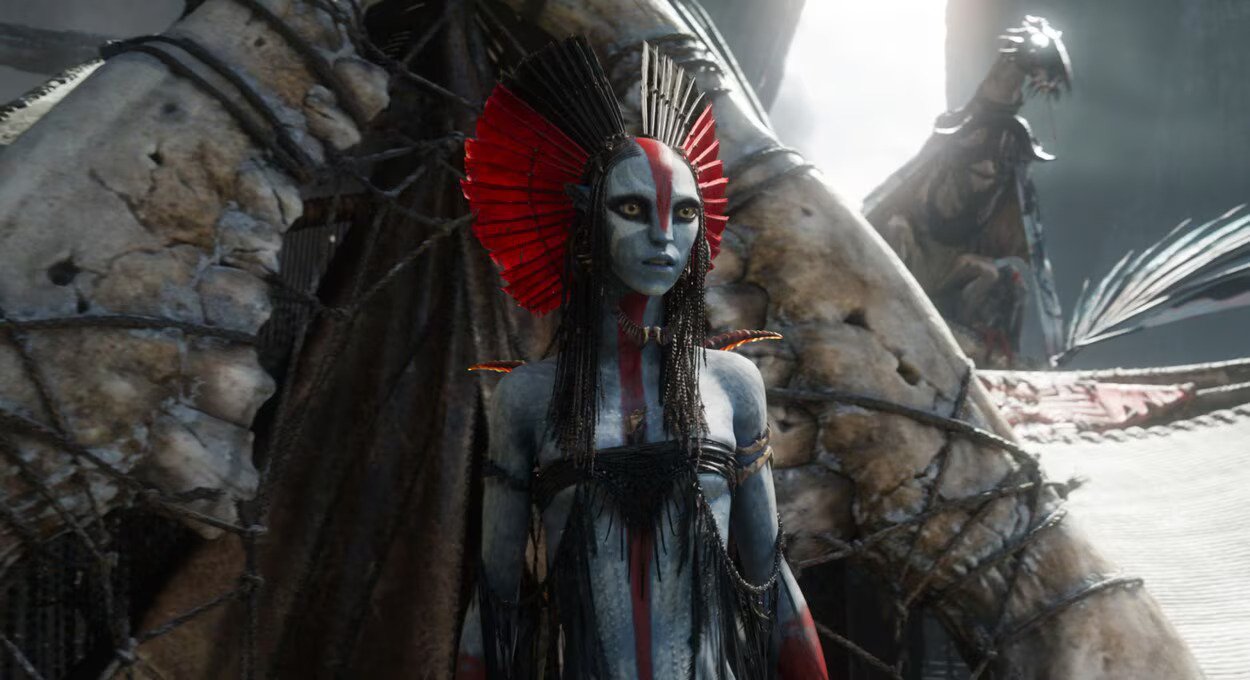
Audience Voice: Divided but Passionate
Social media reactions mirror the critics split. On X (formerly Twitter), fans are divided between awe and annoyance. One viewer tweeted, Say what you want but theres nothing else like Avatar in theaters today. Another snarked, Its beautiful, sure, but I cared more about the popcorn than the plot.
Reddit threads and TikTok reviews echo a common sentiment: Fire and Ash might not be perfect, but its still something to behold. In an era of CGI fatigue, thats saying something.
Will Avatar 4 Rekindle the Flame?
Cameron has made it clear Avatar 4 and 5 are already planned. Rumors suggest theyll explore new biomes, perhaps grounded more in Earth and Wind elements, completing the elemental cycle. The big question is: will audiences still care?
If Fire and Ash signals franchise fatigue, Cameron may need to course-correct focusing more on emotional depth and less on digital grandeur. After all, even the brightest flames can burn out if they dont warm our hearts.
Avatar 3 Movie Box Office Collection: Opening Performance
Avatar: Fire and Ash, widely referred to as Avatar 3, opened in theaters with a solid but comparatively restrained box office response. In its initial phase, the film recorded an estimated $12 million from the domestic North American market while adding approximately $60 million from international territories, pushing the early global box office collection of Avatar 3 to around $70+ million. These numbers reflect strong overseas interest, particularly in markets where the Avatar franchise traditionally performs well, even as domestic turnout shows a more measured pace than earlier installments.
Avatar 3 Box Office Trends and Industry Expectations
From an industry standpoint, expectations for the Avatar 3 movie box office collection remain optimistic over the long run. Trade analysts project that with premium formats, holiday legs, and global repeat viewings, the film could steadily build momentum in the weeks ahead. While its opening trajectory appears lower than Avatar: The Way of Water, the franchises history suggests endurance rather than explosive starts. As international markets continue to dominate the earnings, Avatar 3 is expected to maintain a strong global footprint, reinforcing James Camerons reputation as a filmmaker whose films grow over time rather than peak instantly.
In Defense of James Cameron
Lets give James Cameron his due. Hes one of the few directors who still dares to think on a planetary scale. While many modern blockbusters feel like committee projects, his films scream singular vision. Every frame, every pixel, every sound serves his creative obsession.
And even at his most indulgent, Cameron offers what few others can: immersion. Whether critics sneer or not, audiences still show up. Maybe thats the true metric of success not percentages, not stars, but the sheer power to make people look up and believe in another world.
Read More: Varanasi Film Launch: SS Rajamouli Unveils a Mythology-Driven Time-Travel Epic
Conclusion
Avatar Fire and Ash review, In the end, Avatar: Fire and Ash is both a triumph and a lesson. Visually, its unmatched a masterclass in motion capture and environmental world-building. Emotionally, it wavers. Its a movie that burns bright but occasionally loses its warmth in the flames.
Maybe Fire and Ash isnt bad maybe its just exhausted. After three decades of cinematic innovation, perhaps we expect too much from one man to keep reinventing the wheel.
Still, Camerons flame hasnt died. If anything, its flickering defiantly daring us to keep watching, keep dreaming, and keep arguing about cinema that still means something.