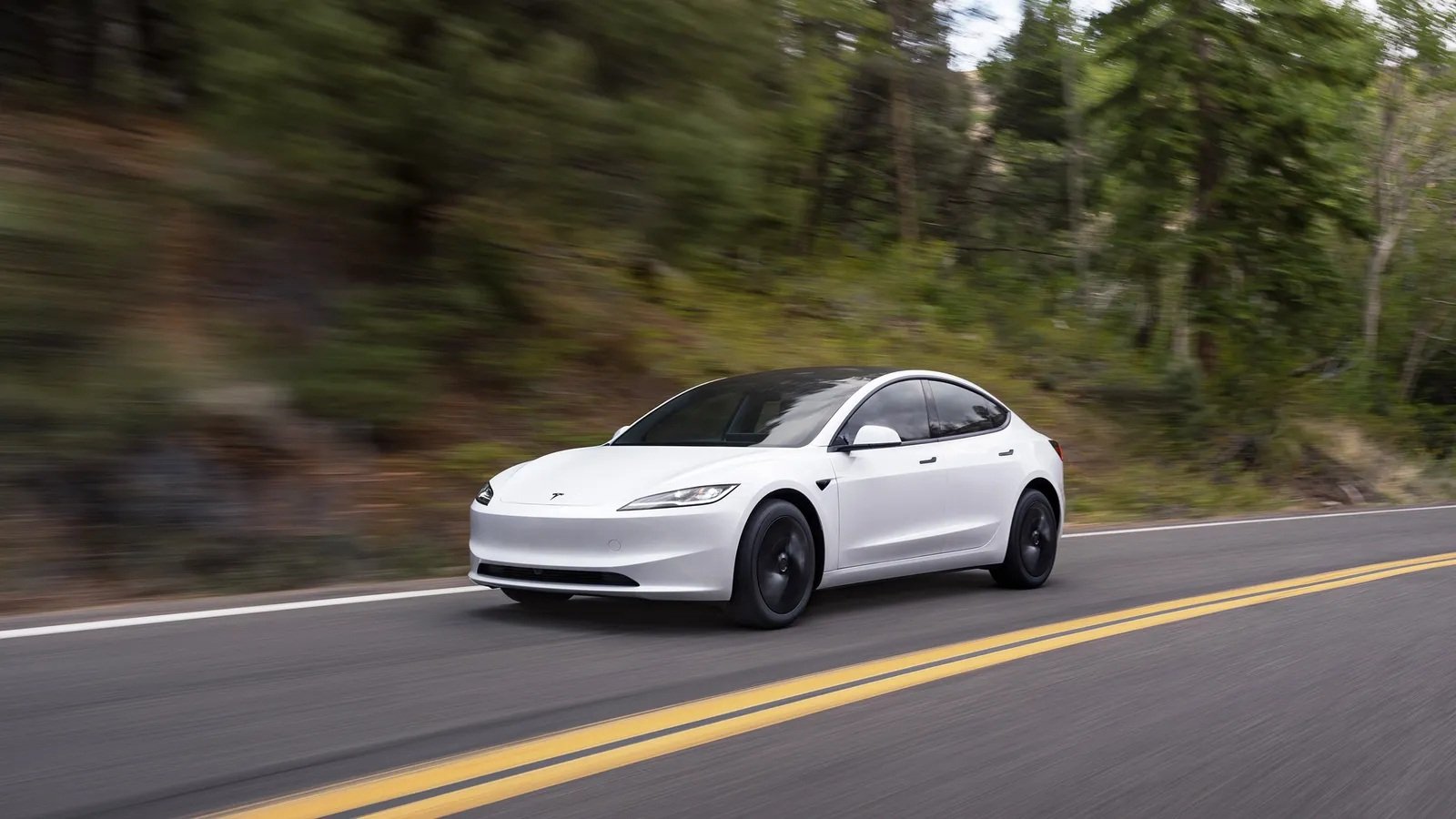
If youve been keeping an eye on the electric vehicle (EV) space lately, youve probably noticed that Tesla hasnt had the smoothest ride in Europe this year. With demand cooling, competition heating up, and Chinese automakers flooding the market with bargain EVs, Tesla needed a fresh spark. Thats where the Tesla low-cost Model 3 comes in. This new, budget-friendly variant is Teslas latest effort to regain momentum and attract more buyers in a crowded market. With the launch of the Tesla Model 3 Europe, the company is making a bold move to defend its position and offer a more accessible option for everyday EV buyers. But what does this launch really mean for Tesla, its rivals, and consumers? Lets break it all down.
A Much-Needed Boost Amid Slowing European Demand
Teslas European journey in 2025 hasnt been a straight highwayits been more like a winding mountain road. New registrations for Tesla vehicles have dipped significantly across the continent despite the company refreshing its best-selling Model Y lineup.
Why the slowdown? Simple: Europeans suddenly have way more options.
Rivals like Volkswagens ID.3 and BYDs Atto 3 have quickly become favorites thanks to competitive pricing and growing confidence in non-Tesla EV brands. With so many new players offering quality electric cars at attractive price points, Teslas once-dominant position began to show cracks.
So, launching a more affordable Model 3 in Europe isnt just a sales strategyits a survival strategy.
Introducing the New Low-Cost Model 3 Standard
Teslas newly launched Model 3 Standard is essentially a more budget-friendly version of the popular sedan. While it trims down some premium touches, it still keeps the essentials that Tesla fans loveparticularly range.
A more accessible price tag
Heres what it costs across key European markets:
Germany: ¬37,970
Norway: 330,056 NOK
Sweden: 449,990 SEK
This positions it comfortably below the next available tierthe Premium Model 3, which starts at ¬45,970 in Germany.
Still delivers solid range
Despite being a lower-cost variant, it packs a punch with a driving range of over 300 miles (480 km). For many buyers, thats more than enough for daily commuting, weekend getaways, and everything in between.
Deliveries begin in early 2026
Tesla expects to begin shipping this new variant in Q1 2026, giving it time to build up momentum (and inventory) before the next buying cycle hits.
Why Tesla Needed a Cheaper ModelNow More Than Ever
Elon Musk has been talking about affordable, mass-market EVs for years. While he famously scrapped plans for an all-new $25,000 Tesla, the mission didnt disappear. Instead of creating a brand-new budget car from scratch, Tesla has opted to scale down existing models to hit more appealing price points.
But this strategic shift comes with risks.
Cannibalising premium sales?
Some analysts worry that lowering prices for existing models might undercut Teslas higher-margin versions. In other words, consumers who would have bought a costlier model may now choose the cheaper one.
Its a classic business dilemma:
Do you grow sales volume at the expense of profit per car?
For Tesla, it seems the answer (for now) is yes.
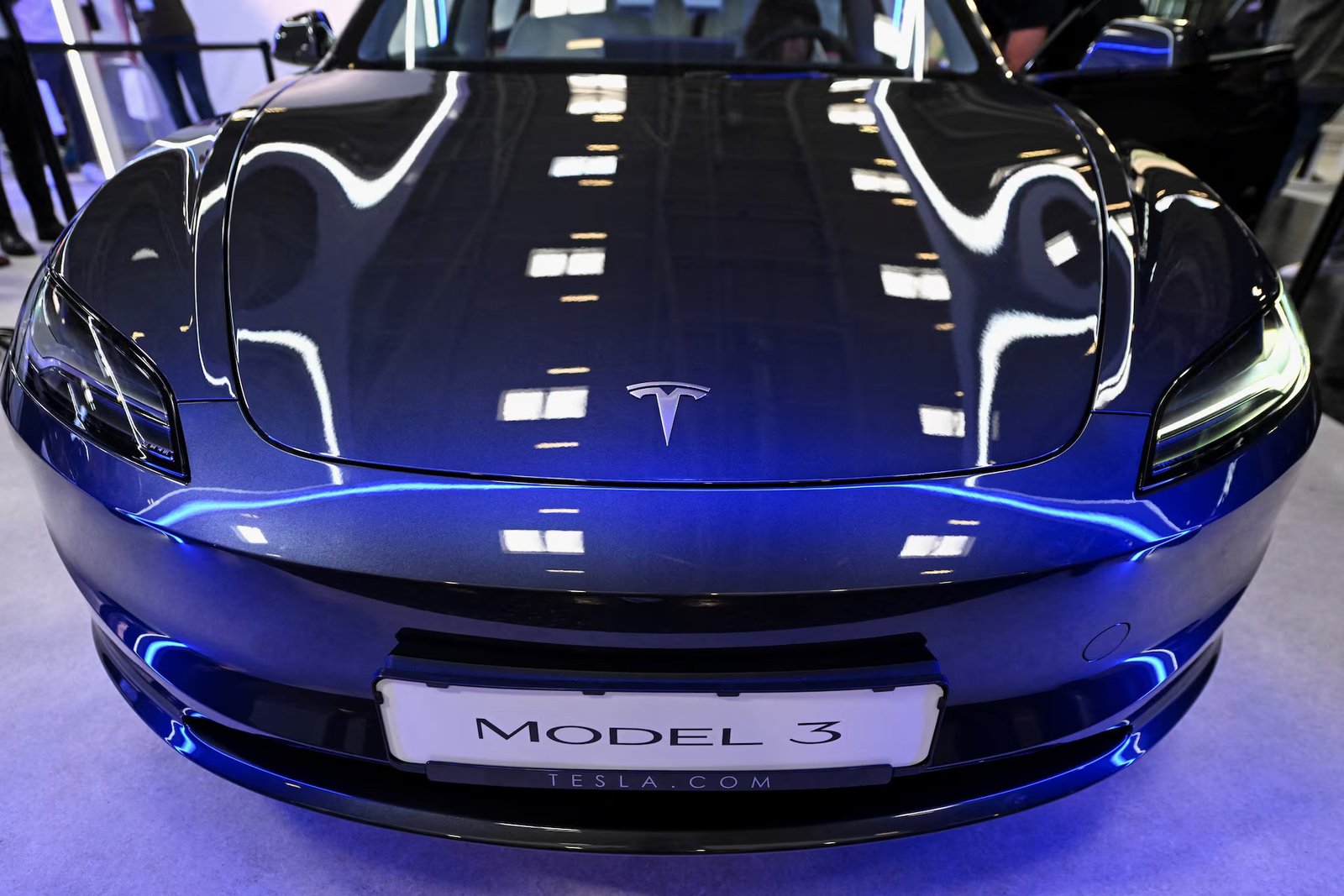
The Chinese EV Threat Is Realand Tesla Knows It
Its no secret that China currently dominates the global EV landscape. Brands like BYD, MG, Nio, and others have gained a reputation for offering stylish, reliable electric cars at surprisingly low prices.
Some models in Europe now sell for under $30,000, giving Tesla more competition than it has ever faced in the region.
Teslas counterattack? Lower prices + brand power
The new Model 3 Standard is clearly designed to tackle this challenge head-on. While it may not be the cheapest EV around, it has two huge advantages:
Teslas charging networkstill the best in the world
Teslas global brand presencesynonymous with EV innovation
That combination alone may be enough to sway many undecided buyers.
How the U.S. Version Compares
Interestingly, this isnt Europes first time seeing a budget Model 3. Tesla introduced the Standard version in the U.S. in October, where it currently sits at $36,990.
The European version follows a similar recipelower cost, essential features, solid range. The move highlights Teslas new global strategy: make EVs more accessible without reinventing the wheel.
A Shift Toward AIBut Cars Still Pay the Bills
Even as Tesla pushes its affordable EV lineup, Musk has been loudly steering the company’s long-term vision toward artificial intelligence.
Hes betting big on:
Humanoid robots
Robotaxis
Full self-driving capabilities
But heres the reality: those futuristic ventures wont start generating serious revenue anytime soon. So traditional car sales still mattera lot.
And thats why Tesla needs the new Model 3 Standard to perform well in Europe. Its a crucial pillar supporting Teslas financial foundation while the company builds its AI-driven future.
Can the New Model 3 Turn Teslas European Fortunes Around?
Thats the billion-euro question.
On one hand, Teslas lower-priced Model 3 will certainly attract budget-conscious buyers, especially in countries where EV incentives remain strong. Its range, reputation, and charging network give it a notable edge.
On the other hand, the competition isnt slowing down. European brands are pushing harder than ever, and Chinese automakers arent just knocking at the doortheyve already walked in and made themselves at home.
Still, Teslas new move shows that the company isnt backing away from the fight. If anything, its gearing up for an all-out battle.
What This Means for European EV Buyers
If youve been considering an EV, this may be one of the best times to jump in. Prices are dropping, options are expanding, and even premium brands like Tesla are offering more budget-friendly alternatives.
The new Model 3 Standard could be the perfect blend of:
affordability
performance
driving range
charging convenience
And that combination could shake up the entire mid-range EV segment.
Read More: Craigslist San Diego Cars in 2025: Essential Safety Tips and Best Practices for Buyers
Conclusion
Tesla Model 3 Europe, Teslas launch of the low-cost Model 3 Standard in Europe isnt just another product updateits a strategic pivot. It signals Teslas intent to defend its ground against European and Chinese competitors while keeping its brand within reach of a broader audience.
The road ahead wont be easy, but this move proves that Tesla is ready to compete aggressively. For buyers, it means more choices, more innovation, and better prices. And in a market thats growing fiercer by the month, thats exactly what the EV revolution needs.