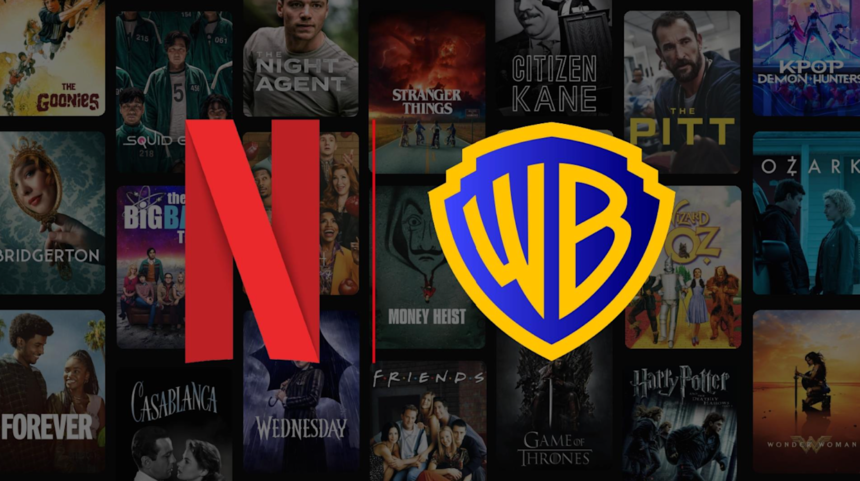
The Netflix Warner Bros Deal has become the headline story of the year, standing out in a season full of unexpected Hollywood twists. Netflixs dramatic push to secure Warner Bros Discovery didnt just surprise the industryit redefined it. What began as quiet curiosity soon escalated into a full-scale bidding war involving Paramount, Comcast, and Netflix itself.
Despite publicly dismissing the idea of acquiring a major studio just months earlier, the Netflix Warner Bros Acquisition soon emerged as the streaming giants boldest strategic move yet. But how exactly did Netflix end up winning one of Hollywoods most prized assets? And why did Warner Bros choose Netflix over long-standing media rivals with decades of studio experience?
To understand the power shift, we need to dive into the behind-the-scenes drama, the fast-moving strategy, and the high-stakes decisions that transformed the Netflix Warner Bros Deal into Hollywoods most talked-about victory.
How Netflix Was Pulled Into the Auction
In October, Netflix executives found themselves facing an irresistible opportunity. Warner Bros Discovery officially launched an auction on October 21 after rejecting multiple unsolicited bids from Paramounts Skydance.
Interestingly, Netflix hadn’t intended to join the race at all. Back in early fall, the company had brushed off rumors about acquiring a major studio. But once talks began, curiosity turned into serious planning. Insiders say Netflix saw far more than just a studio with a century-old legacyit saw a strategic goldmine.
Why Warner Bros Was Irresistible to Netflix
Sure, the Warner Bros library carries Hollywood royalty status. But there was another reason Netflix became intrigued: library titles drive engagement.
According to industry insiders, up to 80% of viewing time on streaming platforms comes from older content. Having access to Warner Bros massive vault of films and iconic TV shows would instantly deepen Netflixs catalogsomething no competitor could easily match.
Additionally, Warner Bros’ theatrical distribution muscle, long trusted by filmmakers and studios worldwide, complemented Netflixs push into blockbuster filmmaking. And its HBO Max streaming service? Netflix believed it could accelerate its growth dramatically using lessons Netflix had already learned over a decade of streaming dominance.
A Strategic Shift: The Moment Netflix Began Flirting With a Buyout
The real turning point came in June when Warner Bros Discovery announced plans to split the company into two publicly traded entities.
This restructuring caught the eye of Netflixs leadership. One insider described the moment as the spark that opened the door for Netflix to get serious, especially because the split would isolate Warner Bros studio and streaming unitsprecisely the parts Netflix wanted.
From that point on, Netflixs interest moved from casual curiosity to strategic consideration.
The Competition Heats Up: Paramount and Comcast Enter the Ring
Netflix wasnt alone. Paramount made the first major move, submitting a bold offer in Septemberone of three increasing bids aimed at stopping the Warner Bros split before it became harder (or impossible) to acquire the company.
Comcast followed soon after with an ambitious proposal: a merger between NBCUniversal and Warner Bros Discovery. If approved, it would create a massive entertainment giant rivaling Disney.
But that idea came with a problemtime. Executing such a merger could take years, and Warner Bros board wasnt eager to spend years navigating a regulatory maze when more immediate options were available.
Inside the War Rooms: Daily Calls, Holiday Work, and Nonstop Negotiations
From mid-autumn onward, the pressure intensified. Netflixs advisory teamMoelis & Co., Wells Fargo, and legal heavyweight Skaddenheld daily morning calls for nearly two months.
Even Thanksgiving didnt slow them down. Multiple calls took place that day alone as Netflix raced to finalize its December 1 bid.
Warner Bros board matched that intensity. For eight straight days leading up to the final decision, they met daily, evaluating the offers in excruciating detail.
In the end, sources say Netflix was the only bidder with a fully complete and binding proposal.
Why Netflixs Offer Stood Out From the Pack
A crucial factor in Netflixs victory? Immediate, guaranteed benefits.
While Comcasts offer held long-term potential, it involved years of integration, restructuring, and regulatory complexity. Netflixs bid, on the other hand, delivered clarity, speed, and confidence.
Paramount tried to swing momentum back in its favor by raising its offer to $30 per share, valuing Warner Bros at $78 billion. But the Warner Bros board wasnt convinced Paramount could secure fundingmaking the offer too risky.
The Breakup Fee That Shocked the Industry
Netflix made a massive statement by attaching one of the largest breakup fees in M&A history: $5.8 billion.
This wasnt just a financial safeguard for Warner Brosthis was Netflix signaling absolute confidence that regulators would approve the deal.
As one insider put it:
No one lights $6 billion on fire without that conviction.
The Final Hours: Anxiety, Uncertainty, and Celebration
Despite the strength of their offer, Netflix executives werent entirely confident. One executive reportedly said they believed their chances were only 50-50 the night of the decision.
Then the call arrived.
Late Thursday night, Warner Bros board delivered the news: Netflix had won. Applause and cheers erupted on the group callmarking a historic moment not just for Netflix, but for Hollywood itself.
Why This Acquisition Will Reshape Hollywoods Future
Netflix isnt just buying a major studio. Its buying influence, legacy, and a treasure chest of intellectual property that will define streaming dominance for decades.
By merging Netflixs data-driven streaming expertise with Warner Bros’ proven theatrical and production strengths, the entertainment world may be witnessing the formation of the first truly hybrid super-studioone that blends old-school Hollywood with new-age Silicon Valley strategy.
Netflix Didnt Just Win a BidIt Won a New Era
The battle for Warner Bros wasnt just about money. It was about vision, timing, and confidence. Netflix knew when to act, moved with discipline, and ultimately offered the cleanest, most compelling proposal.
Comcast had the scale. Paramount had the ambition.
But Netflix had the strategyand thats what sealed the deal.
Read More: Varanasi Film Launch: SS Rajamouli Unveils a Mythology-Driven Time-Travel Epic
Conclusion
Netflix Warner Bros Deal, Netflixs acquisition of Warner Bros marks a turning point in Hollywoods evolution. By securing one of the industry’s most valuable assets, Netflix isn’t just expanding its content empireits rewriting the script for the future of global entertainment.
The story of this deal is a reminder of one thing: in Hollywood, just like in movies, the boldest moves create the biggest legends.