
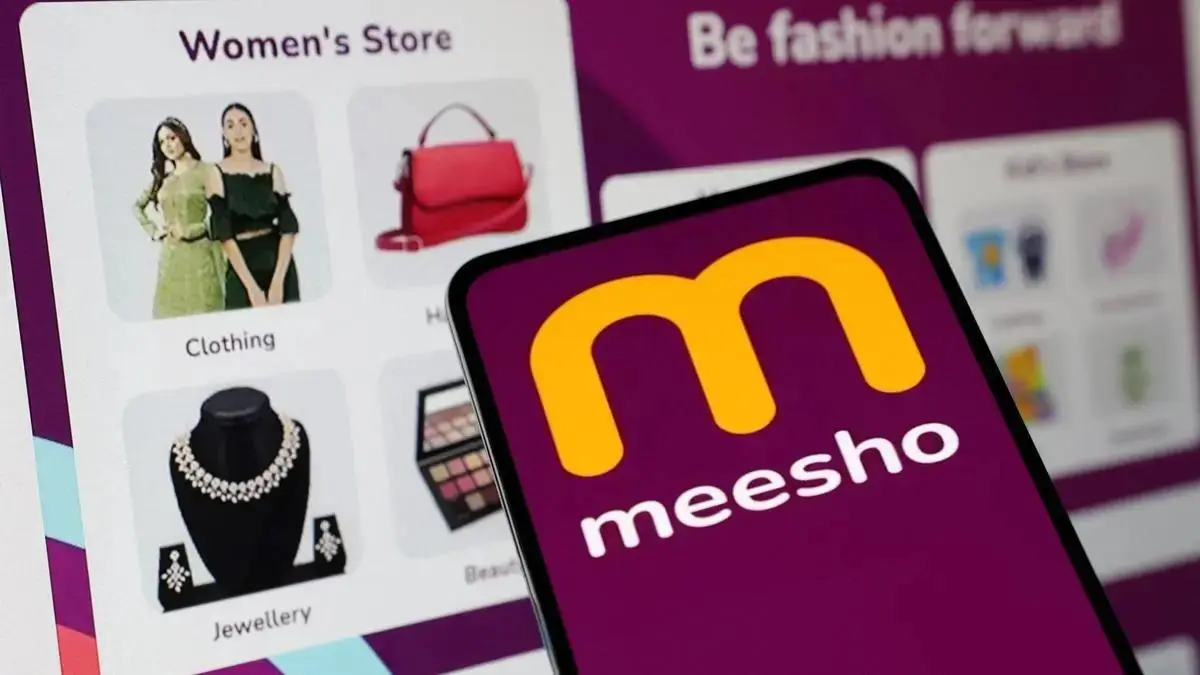
Meeshos upcoming IPO has grabbed headlines, not just for its size but for an eyebrow-raising Meesho anchor allocation decision. By giving a disproportionately large chunk of its Rs 2,439-crore anchor book to SBI Mutual Fund, the company has stirred debates about fairness, transparency, and the role of anchor investors in new-age IPOs.
But what exactly happened, and why is this Meesho anchor allocation raising eyebrows in financial circles? Lets unpack the story.
Anchor Allocation: Who Decides and Why It Matters
Traditionally, anchor allocations are managed by merchant bankers who ensure a balanced spread among institutional investors. But in Meeshos case, the management itself took the call a move that signifies a shift in Indias IPO market. More companies are now negotiating directly with investors on price and quantity, sometimes even overruling banker recommendations.
This hands-on approach, while bold, exposes the subjectivity inherent in anchor allocations, which lack a formal fairness framework. The result? Disagreement and dissatisfaction among big institutional investors.
The Controversy: SBI MFs Massive Slice
Heres where the tension peaked: SBI Mutual Fund was offered around Rs 600 crore from the anchor book, while ICICI Prudential MF got only Rs 100 crore. Thats a whopping sixfold difference! Despite calls to reconsider, Meesho stuck to its commitment, citing prior assurance to SBI MF.
By the final allocation, SBI MF received Rs 603 crore. GIC and the Monetary Authority of Singapore followed with Rs 200 crore combined, Fidelity got Rs 148 crore, BlackRock Rs 75 crore, and domestic fund Axis Mutual Fund got just Rs 48 crore.
Why SBI MF Got Preferential Treatment
Several factors explain the outsized allocation:
-
Early Clarity: SBI MF communicated its price and quantity intentions well before the anchor opening.
-
Commitment Beyond Listing: The fund indicated it would remain a buyer even after the IPO listed at or below the offer price.
-
Track Record: SBI MF is known for long-term investments in new-age companies rather than short-term trading.
Essentially, Meesho viewed SBI MF as a stabilizing force, a true anchor in every sense of the word.
The Investor Backlash
Not everyone was happy. Capital Group, Norges Bank Investment Management, ICICI Prudential, and Nippon India Mutual Fund opted out entirely. Why? A senior executive explained it was about precedent: even as large players, their proposed allocations were minuscule compared to SBI MF, raising fears of unequal treatment in future IPOs.
Understanding Anchor Investor Behavior
Anchor investors arent like regular retail participants. They often conduct months of deep research, signal their intentions early, and can influence market perception. SBI MF, for instance, reviews companies over six months and commits to both main and post-listing purchases, helping reduce volatility a feature highly valued during the often tumultuous tech IPO exits.
Oversubscription: A Numbers Game
Meeshos anchor book reportedly saw nearly 30x oversubscription. Sounds impressive, right? But the reality is trickier. Anchor investors dont need to deposit funds while bidding, so high demand numbers often overstate actual intent. They bid big to secure a seat in the IPO, fully aware theyll likely get a fraction of their requested allocation.
IPO Details: Whats at Stake
Meeshos public issue opens on December 3, 2025, running through December 5. Valued at roughly Rs 50,096 crore at the upper price band, the IPO is massive: Rs 4,250 crore as fresh issuance and Rs 1,171.20 crore as offer-for-sale. Price band? Rs 105111 per share (face value Re 1). Listing is scheduled for December 10, 2025, on both BSE and NSE.
What This Means for Indias IPO Market
Meeshos move underscores a growing trend where issuers are taking charge of anchor negotiations. While this may lead to more tailored relationships with investors, it also raises questions about equity and transparency. With no standardized framework, each decision is a potential flashpoint for investor friction.
Looking Ahead: Lessons for Future IPOs
For issuers, the lesson is clear: anchor allocations can make or break investor sentiment. For investors, especially domestic and foreign funds, the Meesho episode is a reminder to negotiate terms early and set expectations. Regulators, it highlights the need for a more structured approach to ensure fairness and clarity.
Read More: PhysicsWallah IPO Listing: GMP, Expert Insights & What Investors Should Expect on Market Debut
Conclusion
Meesho IPO, Meeshos anchor allocation is more than just a numbers story; its a reflection of evolving dynamics in Indias IPO market. By prioritizing a long-term, committed investor like SBI MF, Meesho has taken a calculated risk one that has sparked debate but could set a precedent for how tech IPOs are approached in the future.
Whether this bold strategy pays off remains to be seen, but it has certainly ignited discussions about fairness, transparency, and the true role of anchor investors in Indias booming tech IPO space.