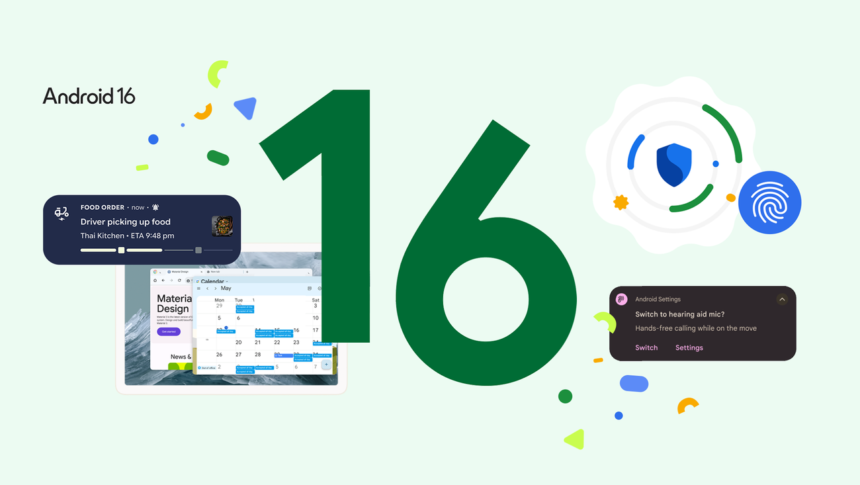
Keeping up with Android updates has always felt a bit like waiting for a bus that never arrives on timeespecially if youre not using a Pixel phone. But with the launch of Android 16 QPR2, Google is finally rewriting the rulebook. This update doesnt just introduce fresh features; it marks the beginning of a major shift in how Android versions are released. And trust methis change is long overdue.
In this article, well break down what this new update means, why Google is changing its strategy, and how it could finally help fix the years-long frustration of delayed updates on third-party Android phones.
A New Era for Android Updates
For years, Google pushed out major Android versions once a year. Pixels would get them first (lucky them), while everyone else waited weeksor more often, monthsto catch up. If youve ever watched your friends enjoy new features while youre stuck on an older version, you know the pain.
But with Android 16 QPR2, Google is ditching the traditional annual schedule. Instead, the company is jumping into a faster, more flexible update cycle meant to bring features to users more oftenno matter which phone they use.
What Exactly Is Android 16 QPR2?
You can think of QPR updatesQuarterly Platform Releasesas mini refreshes packed with feature drops and improvements. But this latest one is more than just a routine patch. Its Googles official kickoff to a new model where updates arrive earlier and more frequently throughout the year.
Launched only a few months after the original Android 16 release in June, QPR2 delivers new customization features, smarter notification tools, and UI refinements. But the real story is Googles commitment to a faster rollout strategy that aims to shrink the long-standing gap between Pixel and non-Pixel devices.
Why Google Is Changing Its Update Strategy
Lets be honest: Androids fragmentations issues arent new. Phone makers like Samsung, OnePlus, Oppo, and Xiaomi have always had to wait for Googles finalized builds before tuning them for their own devices. That delaymixed with custom skins, internal testing, and certificationmeant regular users were stuck waiting months.
Google knows this is one of Androids biggest pain points. So in October 2024, the company announced that it was ending the once-per-year major release system in favor of biannual SDK updates and quarterly feature drops.
According to Google, this new pace will drive faster innovation in apps and devices.
In simple terms? Updates will be smaller, more manageable, and easier for manufacturers to adaptmeaning users should see new features much faster.
A Closer Look at Googles New Update Schedule
Googles refreshed approach revolves around two major changes:
1. Biannual Major Android Releases
Instead of waiting for the fall to roll out a full version release, Google is now pushing major updates twice a year.
For example, Android 16 launched several months earlier than previous versions, arriving in the second quarter instead of the usual third. This shift allows phone makers to sync their release schedules more closely with Googleand reduces delays for consumers.
2. Quarterly Feature Drops
Between bigger updates, QPR releases like Android 16 QPR2 will deliver new features, refinements, stability improvements, and tweaks every few months. This more bite-sized approach makes it easier to ship updates quickly.
Think of it like Google moving from a once-a-year feast to steady, frequent meals.
So, Whats New in Android 16 QPR2?
Of course, no update is complete without fresh featuresand Android 16 QPR2 brings several meaningful additions.
Improved Notification Management with AI
Notifications have become a chaotic mess for almost everyone, and Google knows it. To fix this, Android 16 QPR2 introduces two new AI-powered tools:
” Notification Summaries
Long message threads and cluttered notifications get condensed into neat summaries so you dont drown in alerts.
” Notification Organizer
This tool filters out low-priority alerts, giving your notification shade some much-needed breathing room.
Together, these features help you stay focused without feeling like your phone is begging for attention every minute.
More Ways to Customize Your Phone
Androids flexibility is one of its biggest strengthsand Android 16 QPR2 doubles down on that.
Users now get:
-
New icon shapes
-
More themed icon controls
-
Better alignment of icon themes across apps
Its perfect for those who love to personalize their devices look (or obsess over every icon on the home screen).
A Better Forced Dark Mode
Dark mode fansthis ones for you.
Android 16 QPR2 brings an enhanced forced dark mode that automatically darkens most apps, even those that dont officially support it. Its easier on the eyes at night and can help extend battery life on OLED displays. A win-win.
A New Parental Controls Hub
Parents will appreciate the revamped parental control experience. Instead of having to access Family Link from their own phone, Google now places those features directly on childrens devices.
This makes it much simpler for parents to monitor screen time, manage permissions, and ensure safe usagewithout hunting through multiple menus.
Pixel Still Gets Updates First& But Not for Long
Pixels continue to be Googles testing ground for the newest Android features. Thats not changing anytime soon. But what is changing is how quickly these features reach other devices.
Google wants to minimize delays by giving manufacturers earlier access to features and tools. That should encourage developers to adopt new Android features faster, knowing more users will have them sooner.
If all goes according to plan, the days of waiting months for a major update on non-Pixel phones might finally be coming to an end.
Why This Update Matters for Everyday Users
If you’re wondering why any of this matters, think about your last experience waiting for a major Android update. Did it take months? Did your carrier delay it even more? Did you miss out on new features while your Pixel-using friends bragged?
Googles new strategy aims to fix all of that.
Faster updates mean:
-
More timely security patches
-
Quicker access to new features
-
Longer device longevity
-
A more unified Android ecosystem
Its about time Android caught up to its own potential.
A Promising Future for Android Updates
Android 16 QPR2 isnt just another updateits a turning point. Google is finally acknowledging that the Android ecosystem needs faster, more predictable updates, and this new model could be the key to making that happen.
With biannual releases, quarterly feature drops, and smarter tools for both users and developers, the Android experience is heading toward a future with fewer delays and more consistency.
If Google sticks to this new roadmap, we might finally see the fragmented Android world become far more cohesiveand much less frustrating.
Read More: Samsung Galaxy S26 Ultra: Full Specs, Features, Leaks & Everything You Need to Know
Conclusion
Android 16 QPR2 represents far more than a feature update. Its the beginning of a faster, more user-friendly update cycle that gives both phone makers and users a better experience. With smarter notifications, improved customization, parental controls, and a commitment to quicker releases, Google is making Android feel fresh and responsive again. The journey has just begun, but the future of Android updates finally looks promising.