
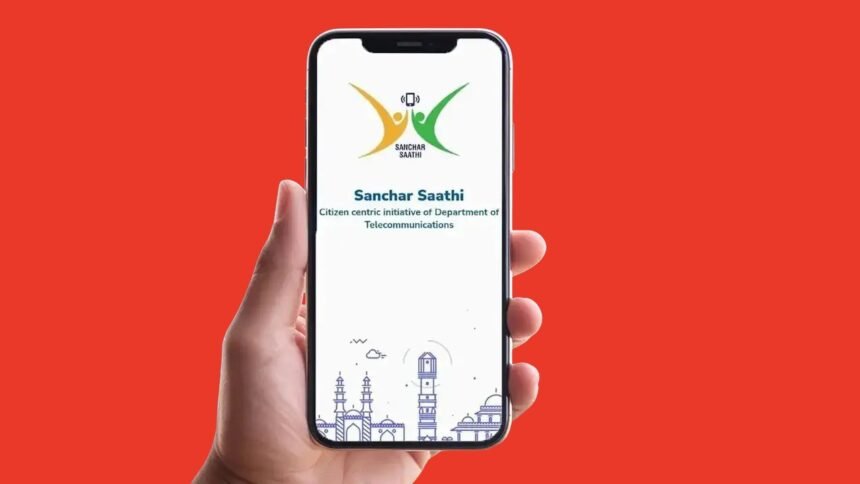
The Sanchar Saathi App has suddenly become the center of a political storm in India. If youve been scrolling through the news lately, youve probably seen heated debates, privacy warnings, and statements flying back and forth between the government and the opposition.
So, whats going on? Why has a government-backed mobile app triggered such a strong reaction? And most importantlycan you delete it if you dont want it?
Lets break it down in simple terms.
What Sparked the Controversy?
The uproar began when reports surfaced claiming that the government had asked smartphone manufacturers to pre-install the Sanchar Saathi App on all devices sold across India.
Now, pre-installed apps arent a new thingwe all have phones stuffed with apps we never asked forbut this time, it struck a nerve. The opposition quickly labeled it a snooping tool, drawing parallels to the infamous Pegasus spyware incident.
And thats when the political firestorm began.
The Government Steps In With a Clarification
Sensing the rising tension, the Central government addressed the issue head-on. They clarified that:
Users are completely free to delete the Sanchar Saathi App from their phones.
In their words, the governments responsibility was simply to introduce the app to everyone, not force them to keep it.
A Union Minister even emphasized, If you dont want Sanchar Saathi, you can delete it. It is optional.
So yes, the app may be pre-installedbut no, youre not stuck with it forever.
Why Was The App Being Pre-installed in the First Place?
The government stated that pre-installing Sanchar Saathi was part of a broader effort to strengthen cybersecurity and prevent IMEI-related frauds, something that has been on the rise in recent years.
The app itself is actually a citizen-centric initiative by the Department of Telecommunications (DoT). Its main aim? To help mobile users track, block, or report lost or stolen phones and stay aware of telecom-related services.
Sounds helpful, right? Well& not everyone agrees.
Oppositions Snooping App Allegation Explained
Opposition leaders were quick to raise concerns.
Congress leader Priyanka Gandhi called the move dictatorship-like, claiming that:
-
The app infringes on the right to privacy
-
It could give the government access to personal messages
-
It resembles earlier alleged surveillance incidents
She didnt mince wordsshe openly said, It is a snooping app… ridiculous… They are turning this country into a dictatorship.
Strong wordsand ones that quickly ignited further public debate.
Is the App Really Snooping on You?
Lets pause and look at this more calmly.
The Sanchar Saathi App is built mainly for:
-
Reporting stolen mobile phones
-
Blocking lost devices
-
Checking the mobile connection registered under your name
-
Preventing misuse of your identity and IMEI numbers
Theres no official evidence suggesting that the app is secretly reading your personal messages or monitoring calls.
However, heres where things get tricky:
People are generally wary when it comes to government-mandated digital tools, especially after past controversies.
So regardless of the apps functions, the fear itself has fueled the political debate.
Experts Weigh In: Should Apps Be Mandatory?
Several experts and political voices argued that forcing any app on userswhether useful or notdoesnt sit well in a democracy.
One leader even commented:
Apps can be useful, provided theyre voluntary. Making anything compulsory is troubling.
This reflects a broader concern:
Should citizens be told what apps must exist on their personal devices?
In an age where privacy is as precious as gold, mandating an apphowever harmless it may befeels uncomfortable to many.

What Exactly Does the Sanchar Saathi App Do?
Before forming an opinion, it helps to understand what the app actually offers. Heres a quick rundown:
1. CEIR (Central Equipment Identity Register)
Helps you block your stolen or lost phone so no one can misuse it.
2. Know Your Mobile Connections
Lets you check all phone numbers registered under your namehelpful for spotting fraudulent SIMs taken using your ID.
3. Report Fraudulent or Spam Services
Users can report suspicious telecom activity.
4. Prevents IMEI Misuse
Makes it harder for criminals to clone or tamper with IMEI numbers.
Honestly, many of these features sound beneficial, especially in a country with rising cybercrime incidents.
So, Should You Keep the App or Delete It?
Well, that depends on your comfort level.
If you value an extra layer of protection against phone theft, identity misuse, or SIM fraud, keeping the app might actually help you.
But if youre worried about privacyeven though theres no verified evidence of wrongdoingsyou are absolutely free to delete it.
And the best part? The government has publicly confirmed this.
The Larger Debate: Technology, Trust, and Transparency
This incident highlights a much bigger issue than just a mobile app. It raises questions like:
-
How much control should governments have over citizens devices?
-
How transparent should digital security measures be?
-
Can public trust be rebuilt after previous surveillance controversies?
These are questions Indiaand many other countrieswill continue to grapple with as technology becomes more deeply woven into everyday life.
Public Reaction: Divided or Concerned?
As expected, public opinion is mixed:
-
Some users appreciate the app for helping track lost smartphones.
-
Others feel uneasy about anything pre-installed by the government.
-
A few simply dislike bloatwaregovernment-issued or otherwise.
And then theres the large chunk of people who never even use half the apps on their phones anyway.
A Storm Over a Small App?
The Sanchar Saathi controversy showcases how sensitive digital privacy has become in India. Even a seemingly harmless app can trigger major political waves if not communicated clearly.
The government insists its helpful and optional.
The opposition claims its intrusive and dangerous.
Where does that leave the public?
Somewhere in the middleconcerned, curious, and cautious.
Read More: Samsung Galaxy Z TriFold: The Revolutionary Triple-Fold Phone That Changes Everything
Conclusion
The Sanchar Saathi App controversy isnt just about an appits about trust, transparency, and peoples right to digital privacy.
While the government assures that the app is optional and designed to protect users, the opposition argues that mandating its installation raises red flags.
At the end of the day, the choice is yours.
If you find value in its features, keep it.
If not, the government itself says you can delete it anytime.
Technology should empower, not intimidateand keeping it optional is a step in the right direction.